Water Hedge Care Guide
Didiplis diandra · Freshwater Plant
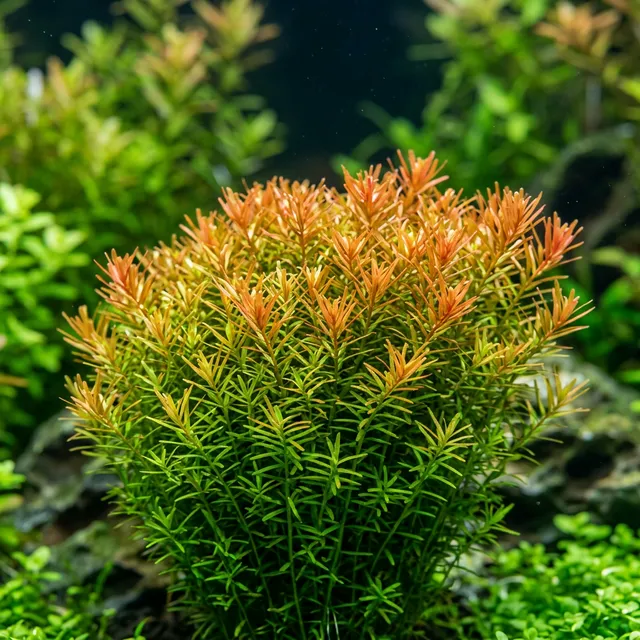
What Water Hedge look like
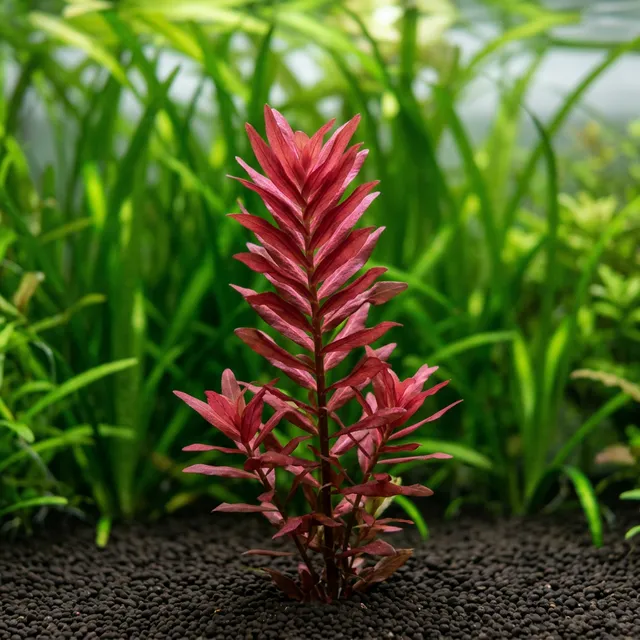
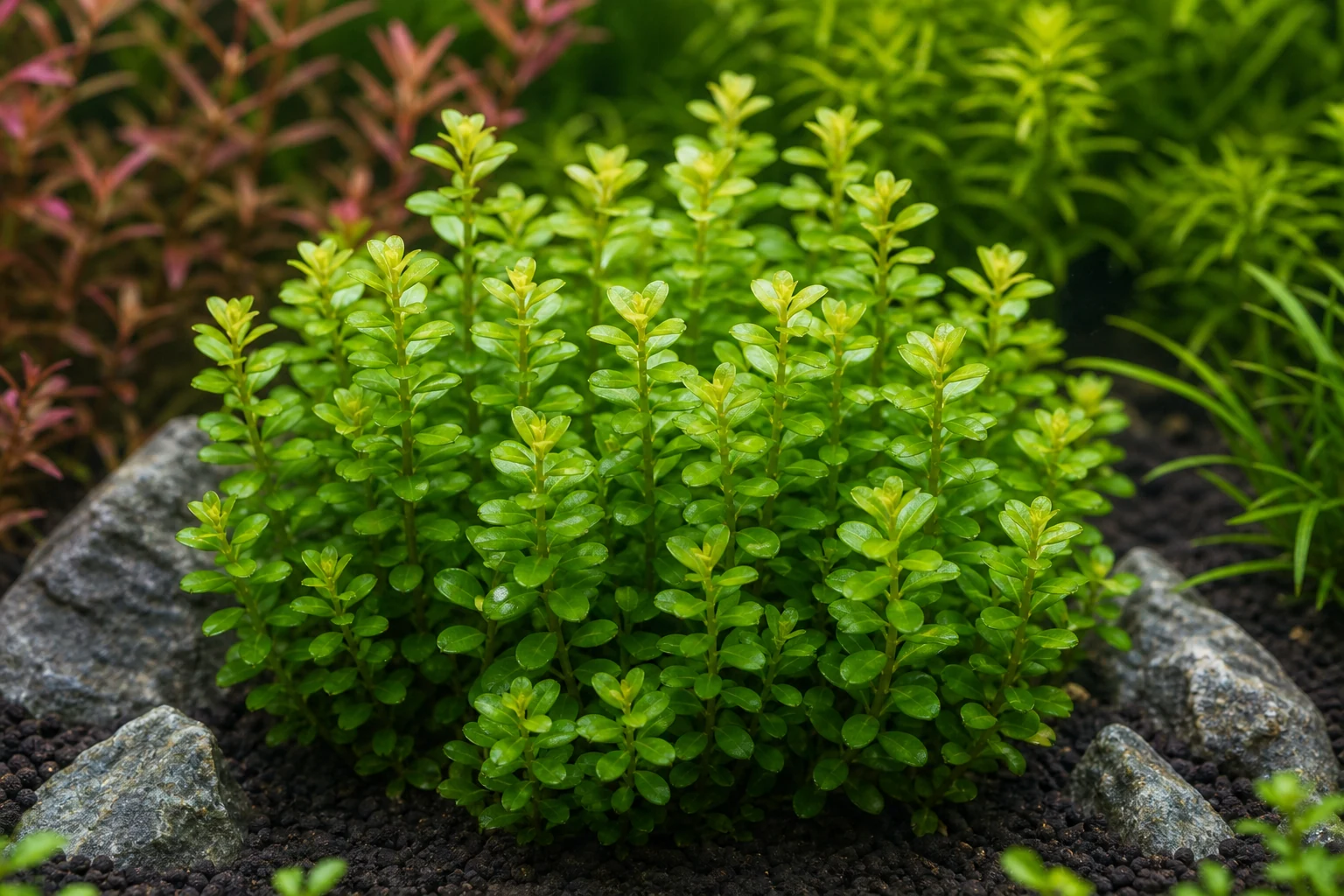
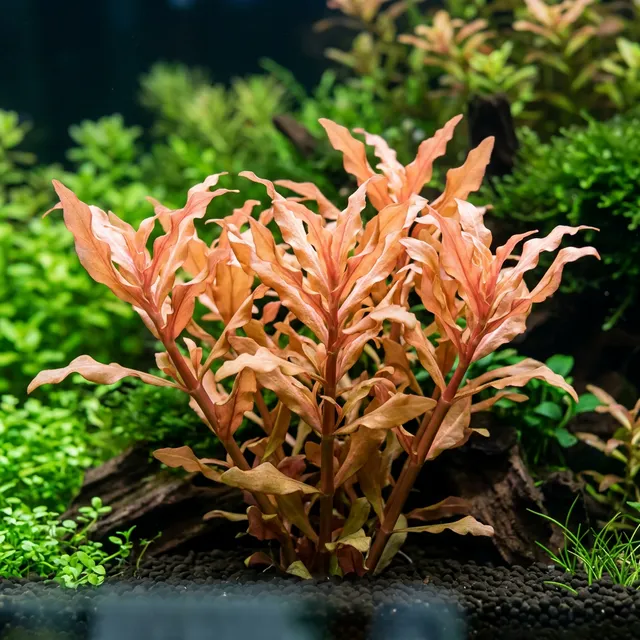
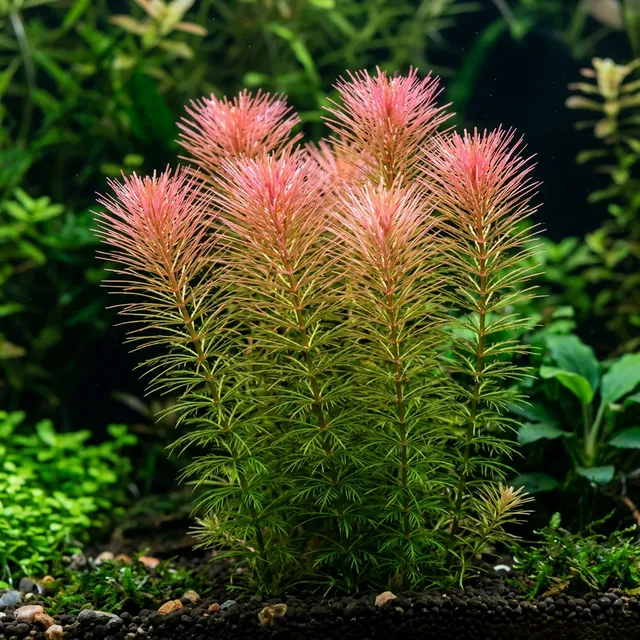
Didiplis diandra, commonly known as the Water Hedge, is characterized by its small, compact growth form, typically reaching a maximum height of 2 to 10 inches. The plant exhibits a dense arrangement of tiny, narrow, opposite leaves that measure just a few millimeters in length, contributing to its hedge-like appearance. The leaves are linear and pointed, tightly packed along the stem, which enhances its bushy structure. Under optimal lighting conditions, the leaf tips can develop a striking orange to reddish hue, adding to its aesthetic appeal. The delicate texture of the foliage is complemented by its ability to create visually appealing miniature hedges when pruned appropriately. This species does not exhibit sexual dimorphism, as it is a non-flowering aquatic plant, and lacks defensive adaptations such as thorns or spines, relying instead on its dense growth form to deter herbivory.
Behavior & temperament
In its natural habitat, Didiplis diandra typically thrives in shallow, slow-moving waters, often forming dense colonies that provide shelter and habitat for various aquatic organisms. It is not an obligate schooler nor solitary; rather, it tends to grow in clusters, creating a structured environment that can support small fish and invertebrates. The plant is primarily found in the benthic zone, where it anchors itself in substrate while its foliage extends toward the water surface. As a photosynthetic aquatic plant, it reproduces vegetatively through stem cuttings rather than through seeds, allowing for rapid colonization of suitable habitats. Its temperament is passive, contributing to a harmonious aquatic ecosystem without exhibiting aggressive traits.
Diet & feeding
Didiplis diandra is an obligate photosynthetic organism, relying on light to produce energy through photosynthesis. In captivity, it requires high light levels to thrive and maintain its vibrant coloration, along with nutrient-rich substrates to support healthy growth.
Behind the name
Didiplis (from Greek 'di' meaning 'two' and 'diplos' meaning 'double'); diandra (from Greek 'di' meaning 'two' and 'aner' meaning 'man', referring to the two stamens of the plant).
Plan your tank
Check the numbers before you buy: tank volume, a stocking plan, cycle progress, water changes, and your ongoing care routine.
Keep reading
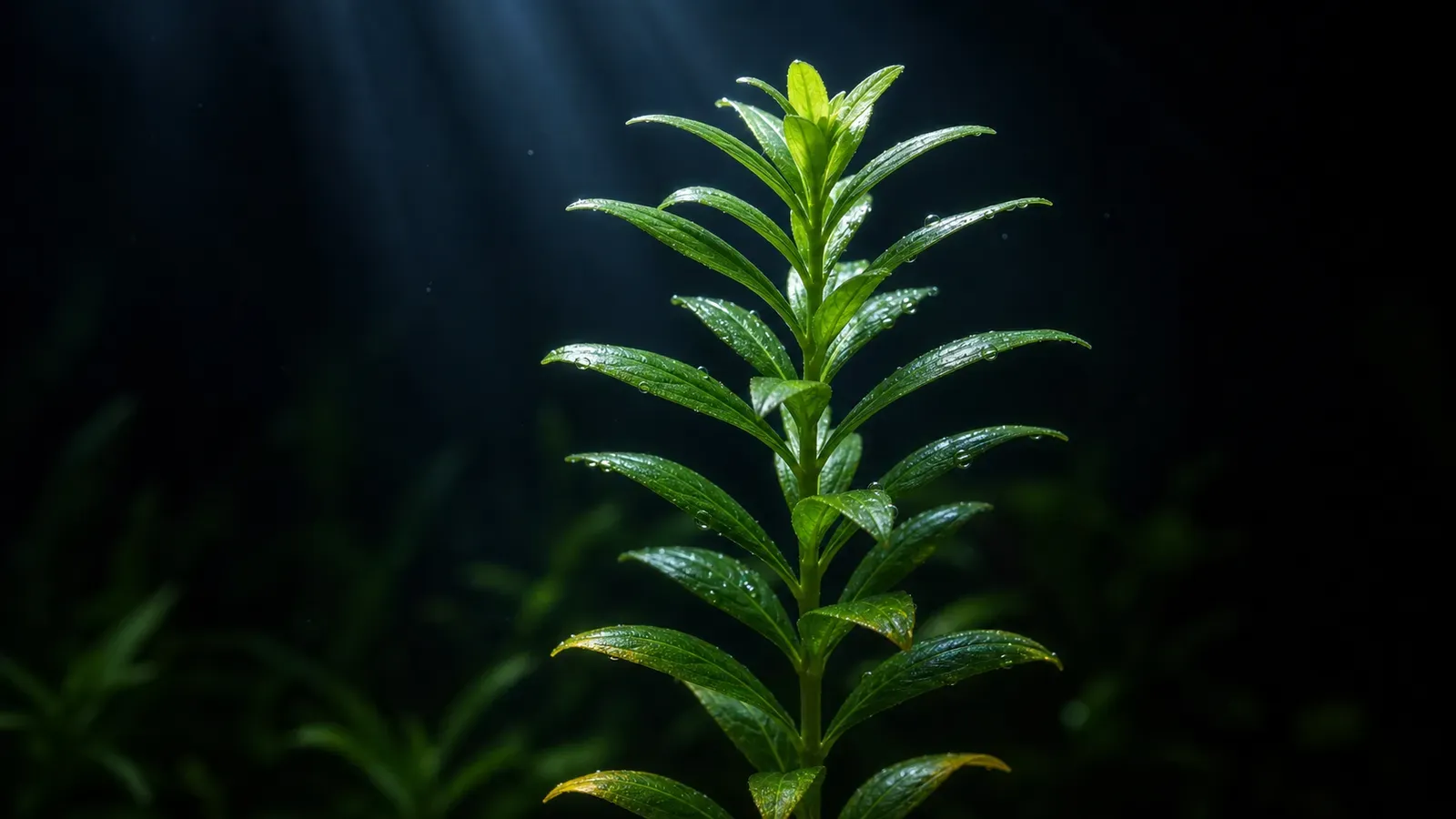
Diagnose aquarium plant deficiencies by leaf age and symptom: yellowing, pinholes, twisting, and stunting. Read the pattern, then fix it safely.
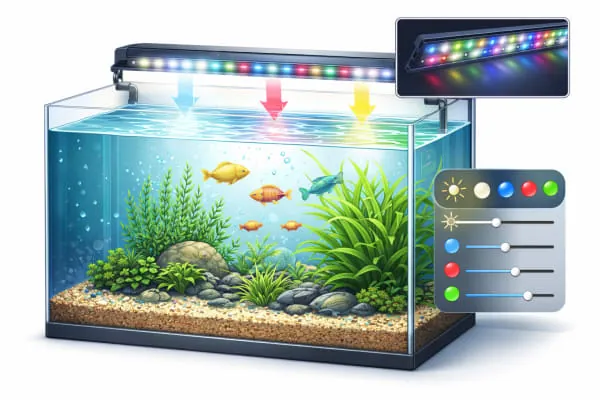
PAR-first planted tank lighting: choose intensity by what you grow, set photoperiod and spectrum, kill shadows, and hold algae back without overspending.

Aquarium CO₂ injection made safe: how carbon, light, and nutrients balance, which system to buy, and how to dial it in without gassing your fish.
Keeping Water Hedge?
AquaLens identifies your fish and plants from a photo, tracks water chemistry, and flags health issues early — free on iOS and Android.