Waving Hand Coral Care Guide
Anthelia glauca · Saltwater Soft Coral
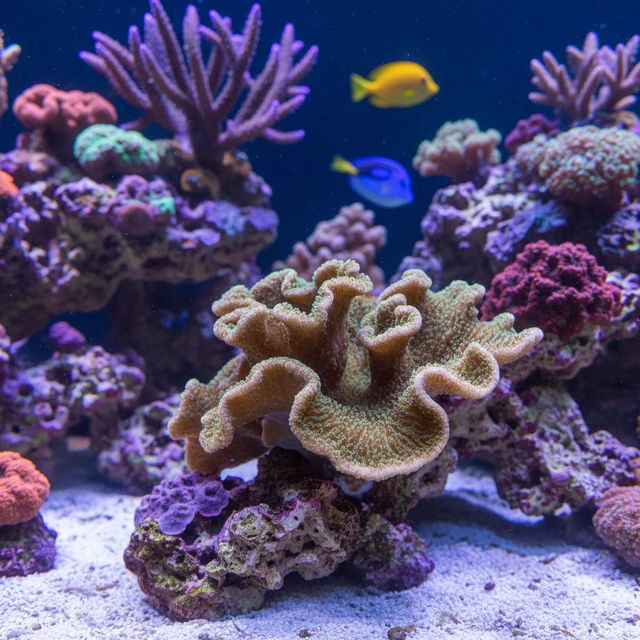
What Waving Hand Coral look like
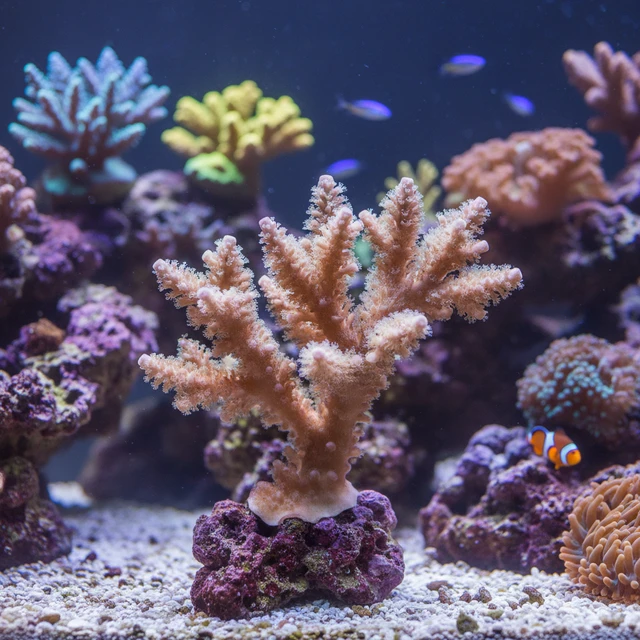
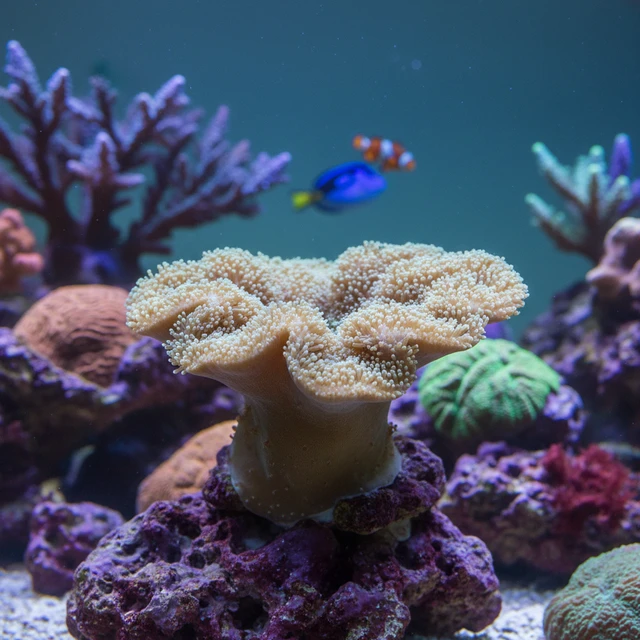
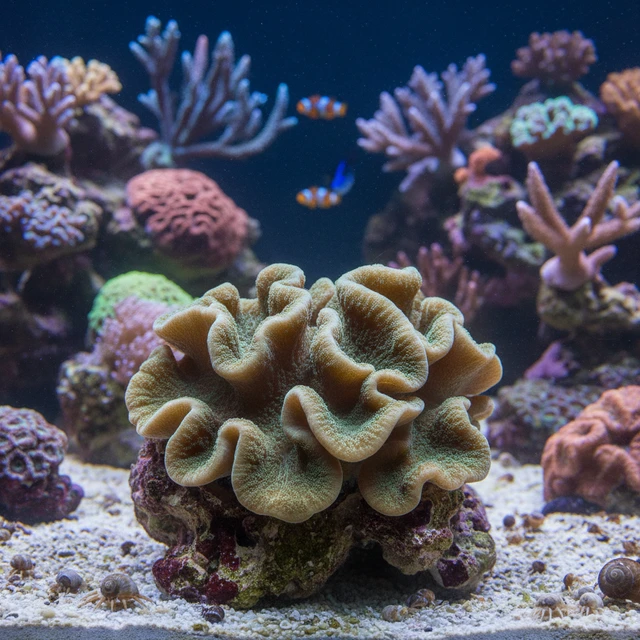
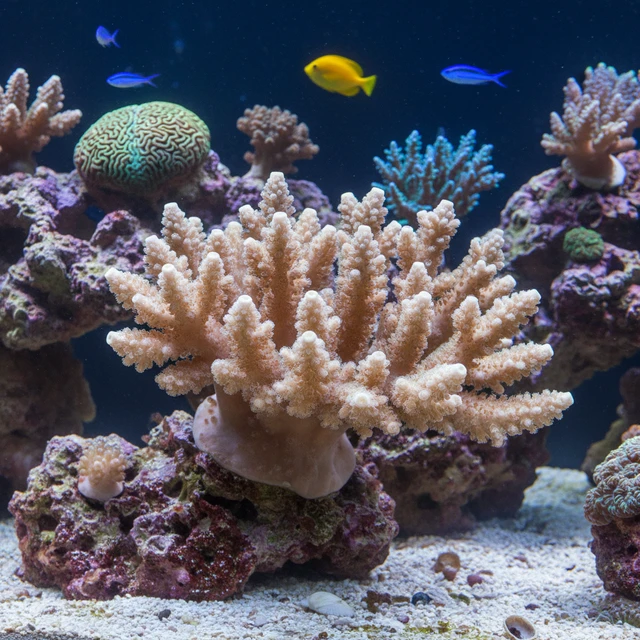
Anthelia glauca, commonly known as the Waving Hand Coral, exhibits a distinctive morphology characterized by its branching, bushy structure that can reach up to 30 cm in height. The coral consists of numerous slender, flexible polyps that extend outward, resembling waving hands, which are typically light green to brown in color. Each polyp features a crown of tentacles that can be retracted or expanded, showcasing their unique ability to adapt to environmental conditions. The skeletal structure is composed of a soft, flexible matrix, lacking a rigid calcium carbonate skeleton, which allows for a high degree of movement in water currents. This species does not exhibit sexual dimorphism, and its defensive adaptations include the production of mild nematocysts, which can deter small predators but are generally harmless to larger fish.
Behavior & temperament
Anthelia glauca is primarily a colonial organism that exhibits a symbiotic relationship with zooxanthellae, enabling it to photosynthesize and derive energy from sunlight. It typically remains anchored to the substrate but can exhibit slow movement through the expansion and contraction of its polyps. The coral extends its polyps during the day to maximize light absorption and retracts them at night. While it is generally peaceful, it can display aggressive behavior towards neighboring corals through the release of chemical allelochemicals, which can inhibit the growth of competing species. The Waving Hand Coral is known to thrive in moderate water flow, which aids in the dispersal of its gametes during reproduction.
Diet & feeding
Anthelia glauca is primarily heterotrophic, feeding on plankton and organic detritus filtered from the water column. In captivity, it benefits from a diet supplemented with phytoplankton and other small particulate foods to support its growth and health.
Behind the name
The genus name 'Anthelia' is derived from the Greek word 'antheion', meaning 'flower', while the species name 'glauca' comes from the Latin word for 'blue' or 'gray', referring to the coloration of the coral.
Plan your tank
Check the numbers before you buy: tank volume, salinity, salt mix, water changes, and your ongoing care routine. Keeping reef? Start from the Saltwater & Reef hub.
Keep reading
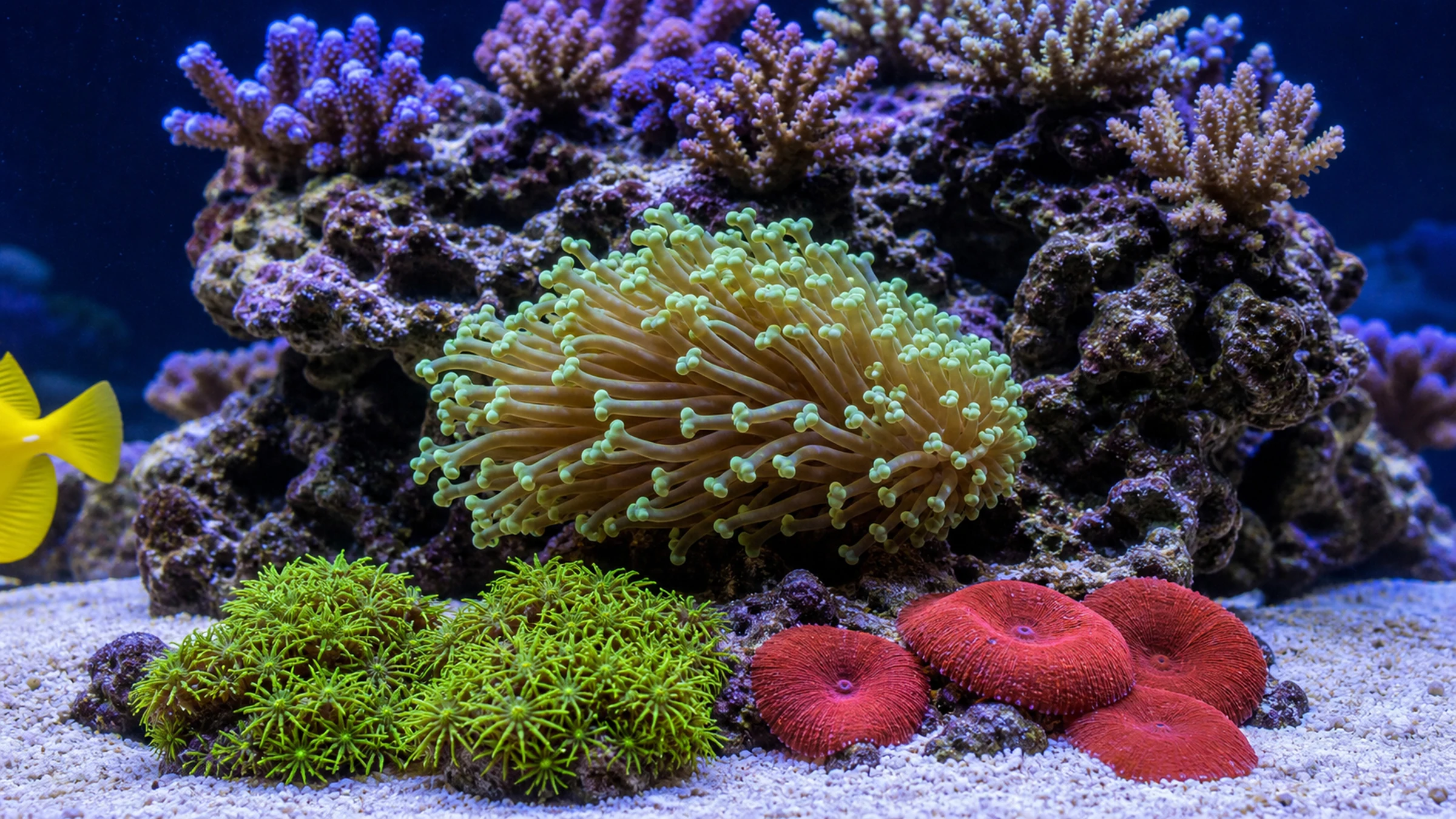
How to place corals by light and flow, PAR targets for softies, LPS, and SPS, dipping new corals for pests, and acclimating them without bleaching.
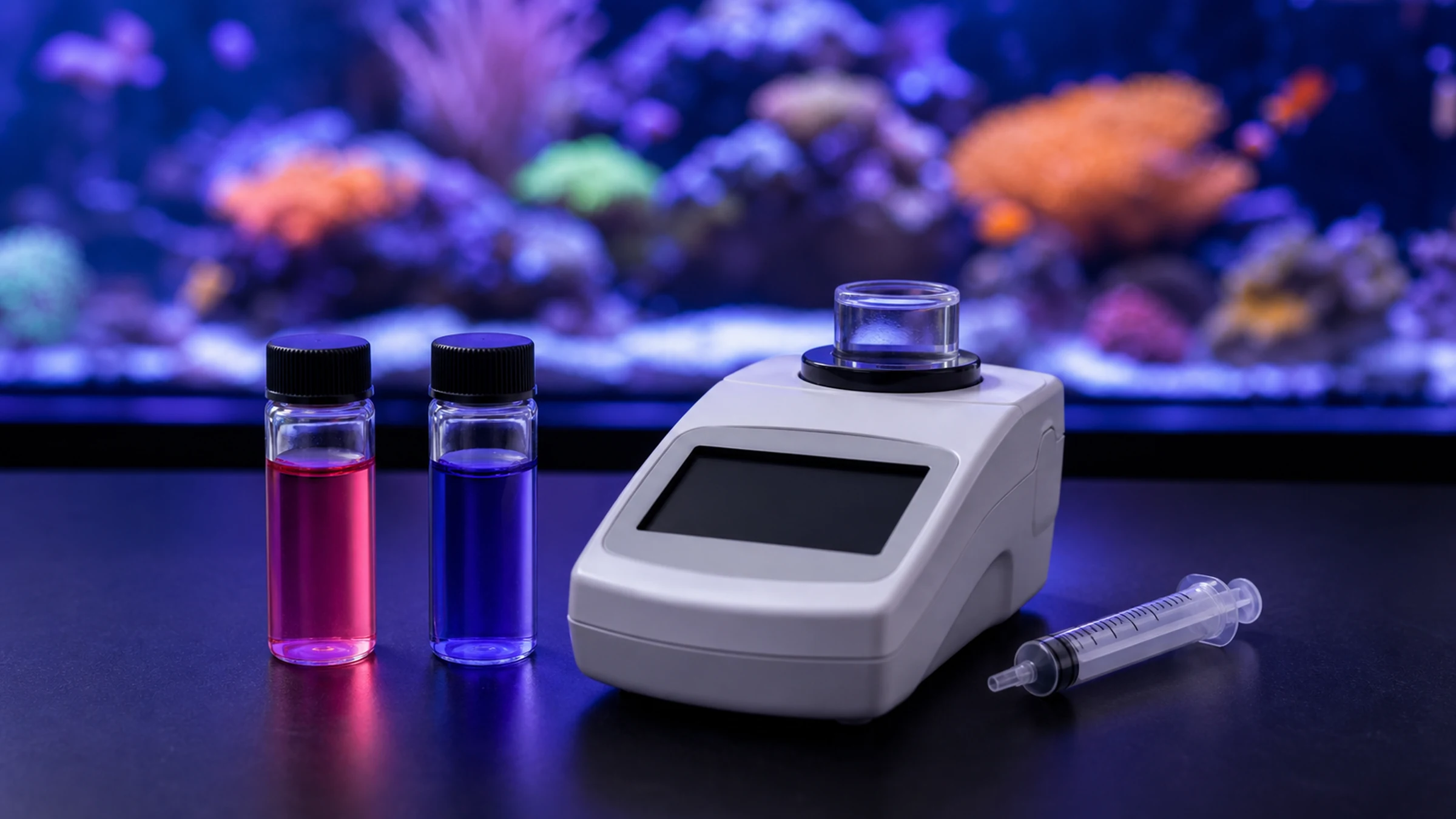
What every reef parameter means and where to keep it: salinity, temperature, pH, alkalinity, calcium, magnesium, nitrate, and phosphate.
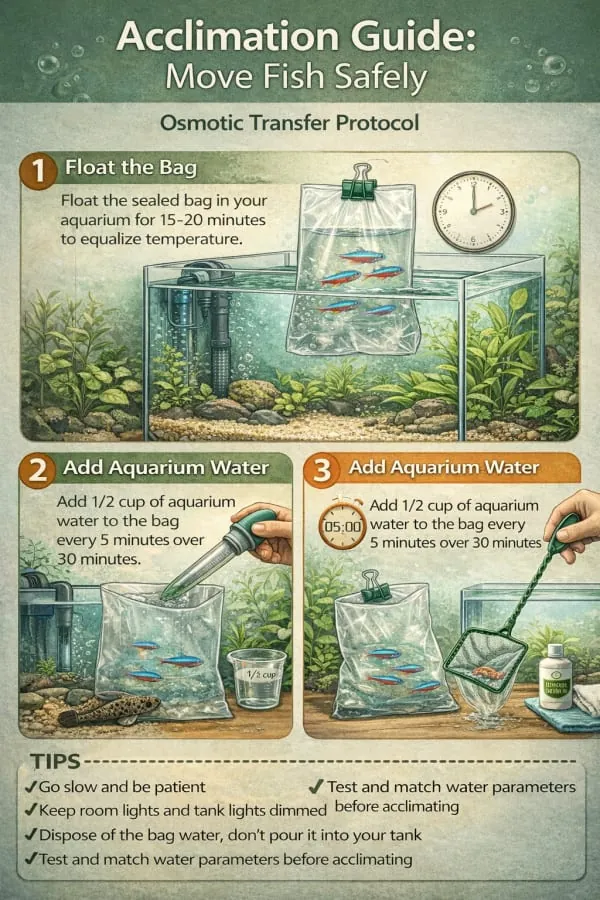
Acclimate new fish, shrimp, and coral safely: temperature floating, drip acclimation, plop-and-drop for shipped livestock, and the first 24 hours.
Keeping Waving Hand Coral?
AquaLens identifies your fish and plants from a photo, tracks water chemistry, and flags health issues early — free on iOS and Android.