African Clawed Frog Care Guide
Xenopus laevis · Freshwater Reptile/Amphibian
What African Clawed Frog look like
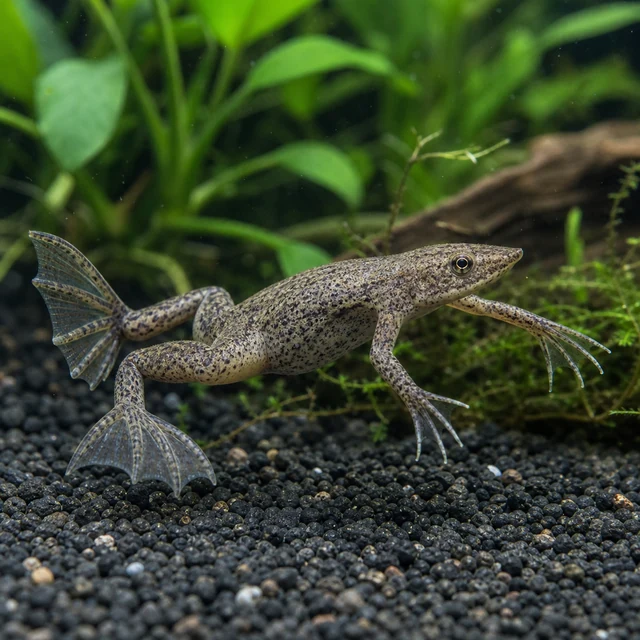
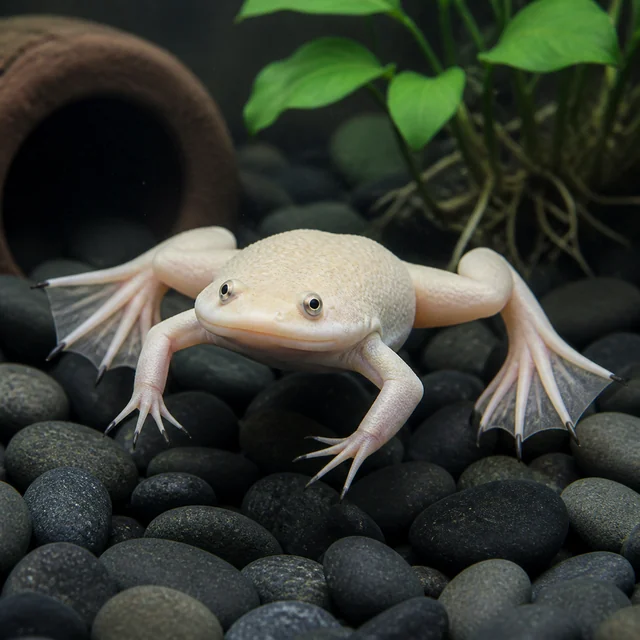
Xenopus laevis is a robust pipid frog with a flattened aquatic body, dorsally placed eyes, strong hind limbs, clawed toes, and sensitive lateral-line-like skin organs for detecting movement in water. Unlike African dwarf frogs, it grows much larger and has unwebbed front fingers. Albino and leucistic captive forms are common.
Behavior & temperament
African Clawed Frogs are fully aquatic, air-breathing ambush and scavenging predators. They lunge at movement, swallow surprisingly large prey, and are best kept in species tanks or with only animals too large and robust to be eaten. They are escape-prone and may be restricted in some areas because released frogs can become invasive.
Diet & feeding
African Clawed Frogs are carnivorous aquatic predators. Feed sinking frog or carnivore pellets, earthworms, blackworms, bloodworms, krill, shrimp, and occasional appropriately sized fish or insect prey. Avoid relying on feeder fish.
Behind the name
Xenopus means strange foot, referring to the unusual clawed hind feet; laevis means smooth.
Plan your tank
Check the numbers before you buy: tank volume, a stocking plan, cycle progress, water changes, and your ongoing care routine.
Keep reading
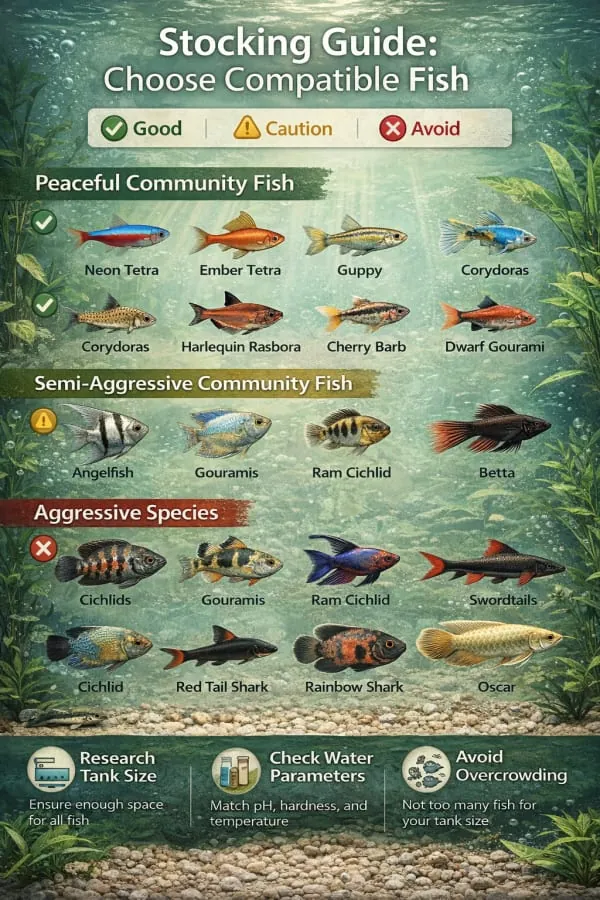
Choose compatible fish: school sizes, swimming zones, aggression, temperature and hardness matching, and honest bioload math for a peaceful community.
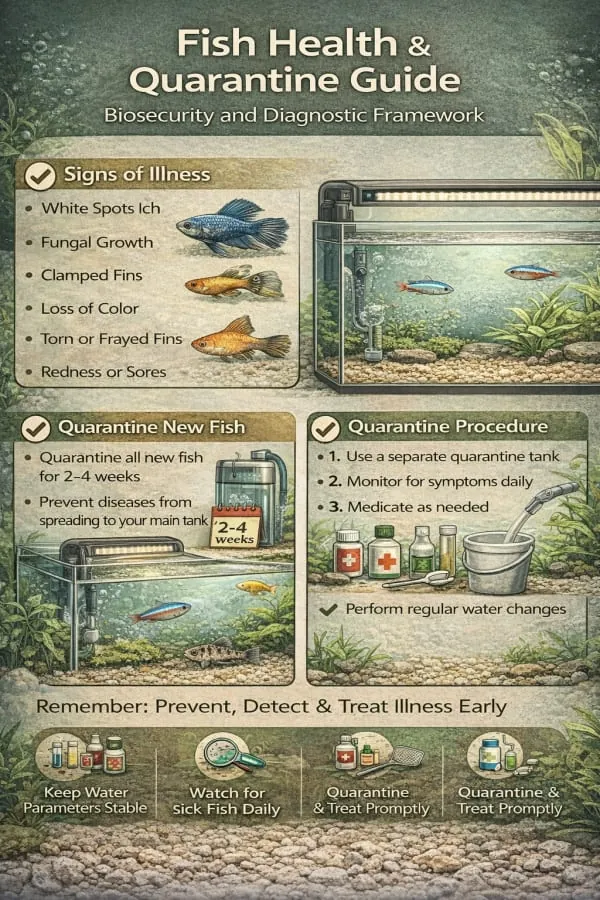
Quarantine new fish, spot the early warning signs, and treat disease without wrecking your tank. A practical freshwater fish health guide.
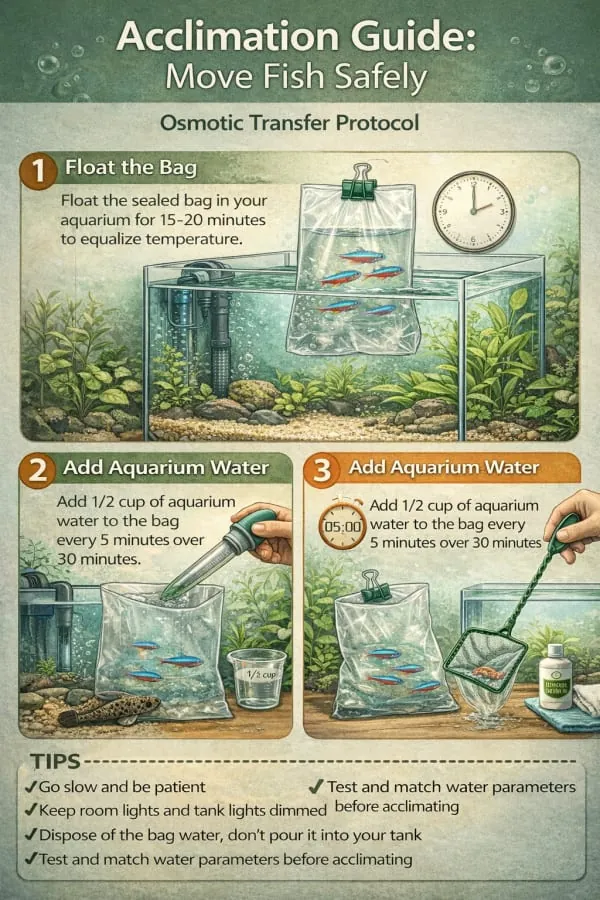
Acclimate new fish, shrimp, and coral safely: temperature floating, drip acclimation, plop-and-drop for shipped livestock, and the first 24 hours.
Keeping African Clawed Frog?
AquaLens identifies your fish and plants from a photo, tracks water chemistry, and flags health issues early — free on iOS and Android.