Amazon Puffer Care Guide
Colomesus asellus · Freshwater Fish
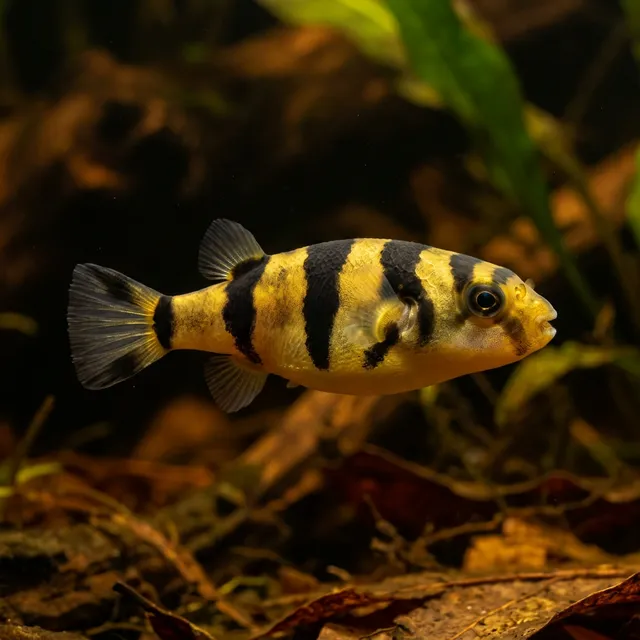
What Amazon Puffer look like
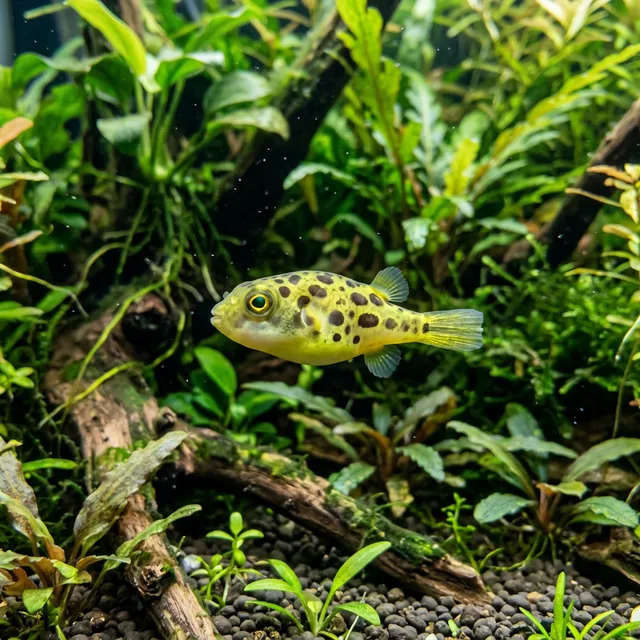
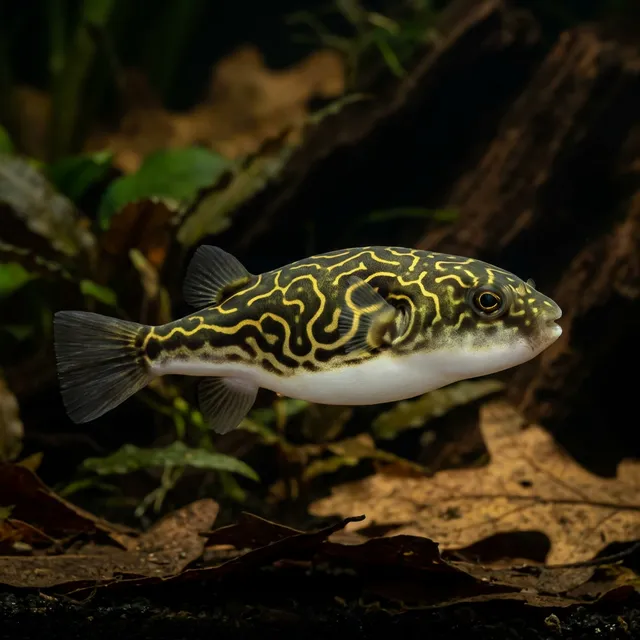
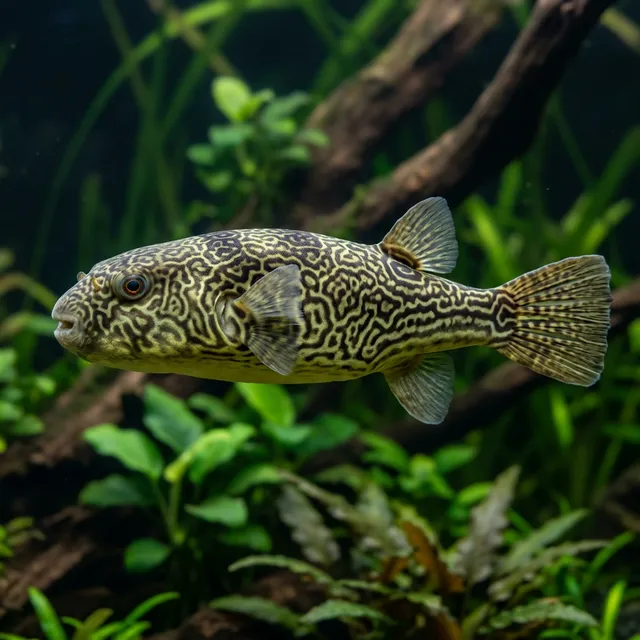
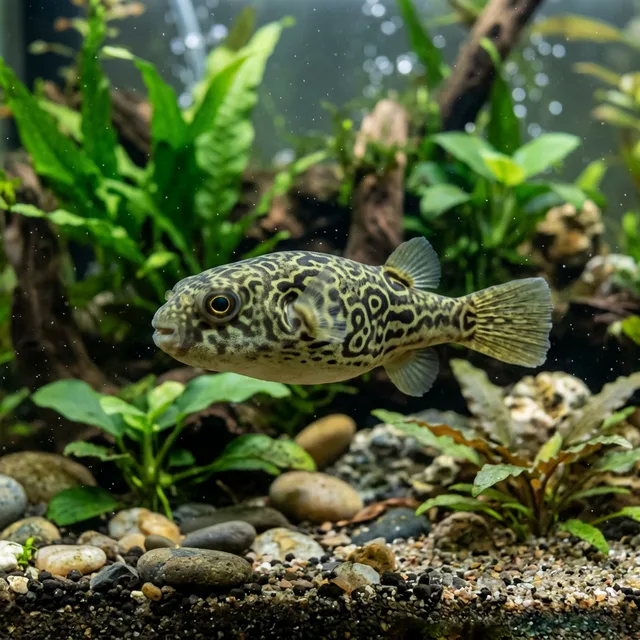
The Amazon Puffer (Colomesus asellus) exhibits a small, robust body that is heavily active, with a maximum adult size ranging from 2 to 15 inches. Its morphology is characterized by a golden-yellow base color, which is sharply banded vertically with 5 to 6 stark, solid black bands that contrast vividly against the lighter background. The body is laterally compressed, providing agility in its aquatic environment. Notable features include a beak-like dentition, as is typical of the Tetraodontidae family, which allows for efficient feeding on hard-shelled prey. The presence of an adipose fin enhances its maneuverability, while the absence of a swim bladder contributes to its unique buoyancy adaptations. Sexual dimorphism is subtle, with males generally exhibiting slightly more vibrant coloration during breeding periods. Defensive adaptations include the ability to inflate its body as a deterrent against predators, a characteristic feature of pufferfish.
Behavior & temperament
Colomesus asellus is primarily a solitary species, although it may exhibit social behaviors in the presence of conspecifics, particularly in larger aquaria. It is predominantly a benthic dweller, often found near the substrate where it forages for food. The species is known for its aggressive temperament, especially when defending territory or during breeding. Breeding behavior involves egg scattering, where females release eggs over substrate or vegetation, and males display courtship behaviors to attract mates. The Amazon Puffer is highly territorial, often establishing a hierarchy based on size and aggression levels, which can lead to conflicts in confined spaces.
Diet & feeding
In the wild, the Amazon Puffer is a carnivore that primarily feeds on crustaceans, mollusks, and small fish. In captivity, it requires a diet rich in protein, including live or frozen foods such as brine shrimp, bloodworms, and snails to ensure proper dental wear and health.
Behind the name
Colomesus (from Greek, meaning 'with a hollow body'); asellus (from Latin, meaning 'little donkey').
Plan your tank
Check the numbers before you buy: tank volume, a stocking plan, cycle progress, water changes, and your ongoing care routine.
Keep reading
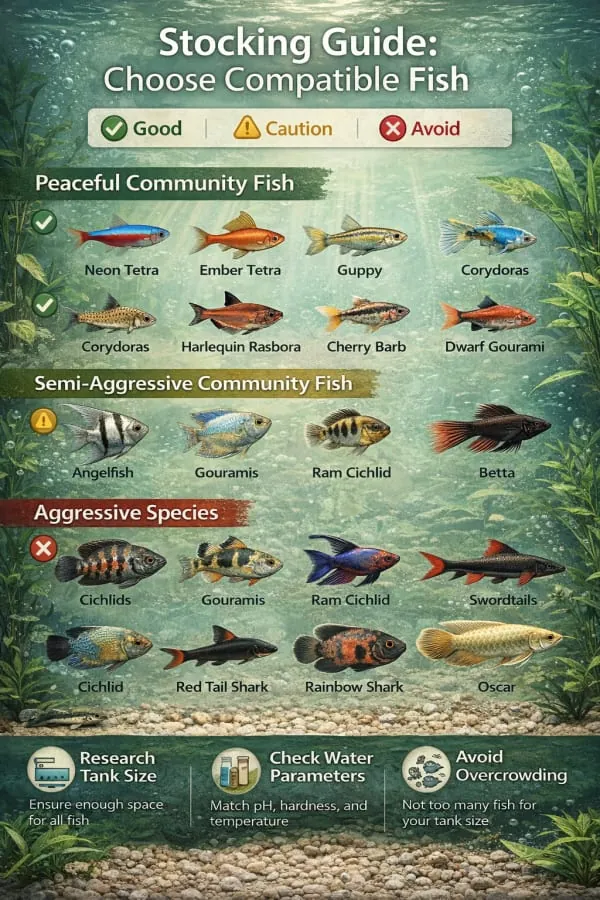
Choose compatible fish: school sizes, swimming zones, aggression, temperature and hardness matching, and honest bioload math for a peaceful community.
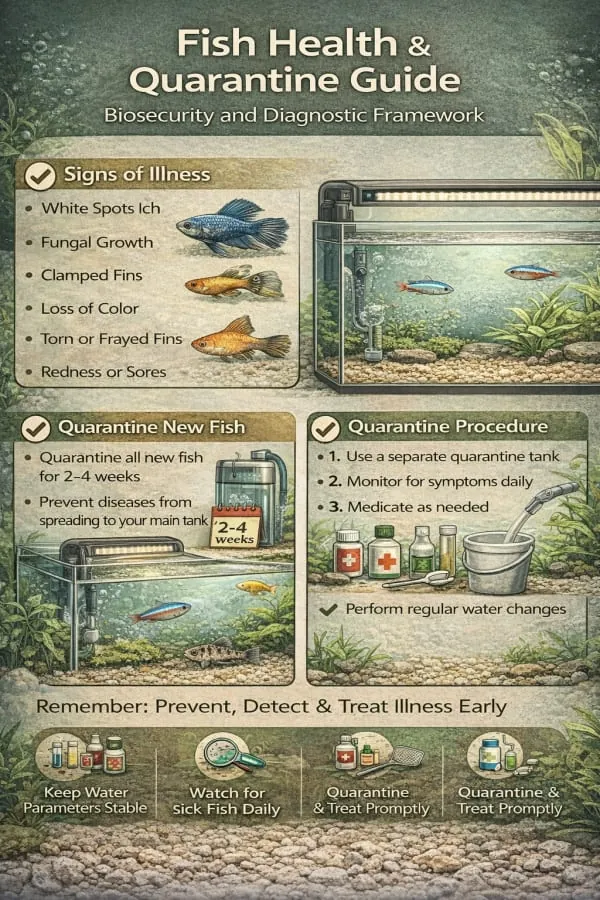
Quarantine new fish, spot the early warning signs, and treat disease without wrecking your tank. A practical freshwater fish health guide.
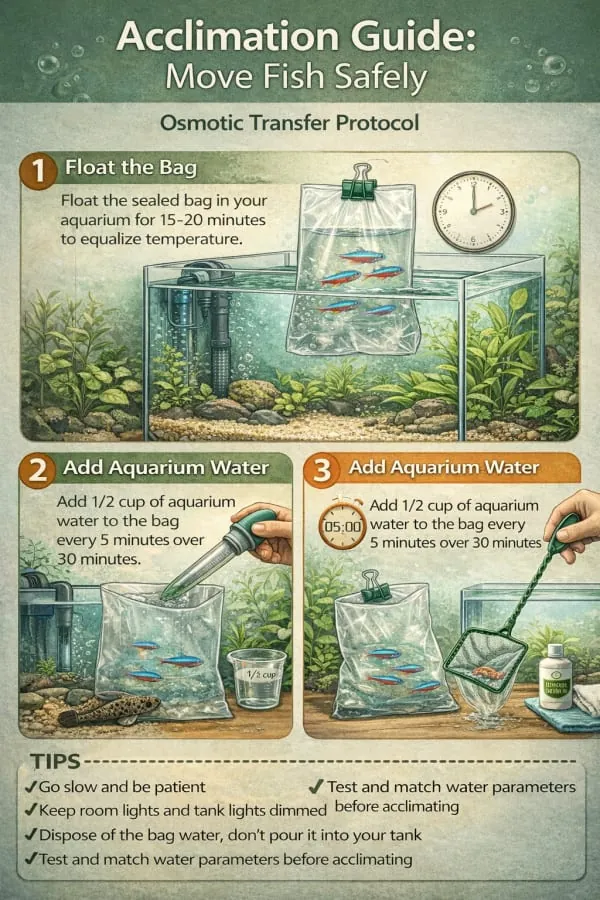
Acclimate new fish, shrimp, and coral safely: temperature floating, drip acclimation, plop-and-drop for shipped livestock, and the first 24 hours.
Keeping Amazon Puffer?
AquaLens identifies your fish and plants from a photo, tracks water chemistry, and flags health issues early — free on iOS and Android.