Bumblebee Otocinclus Care Guide
Rhinotocinclus isabelae · Freshwater Fish
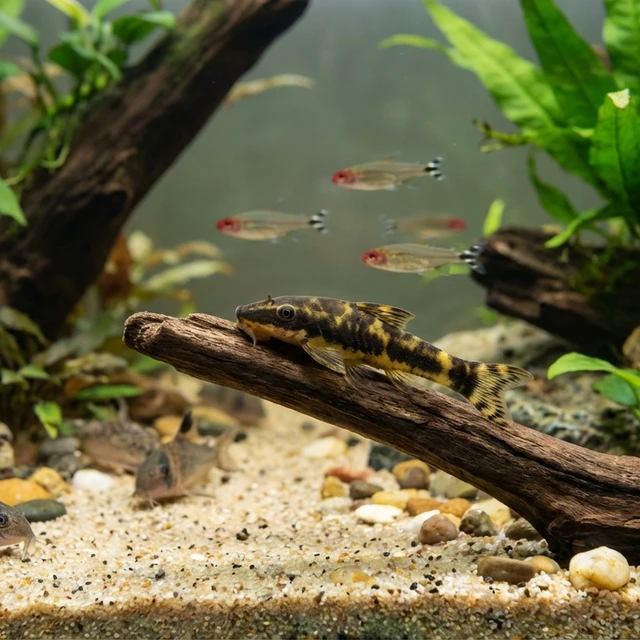
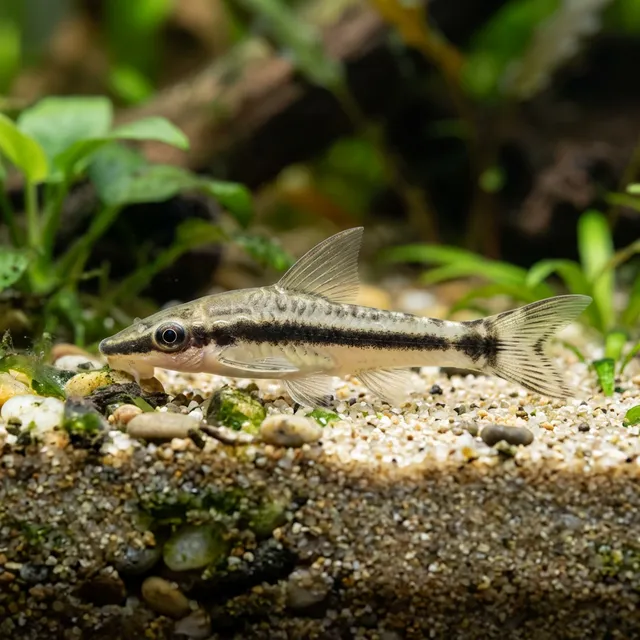
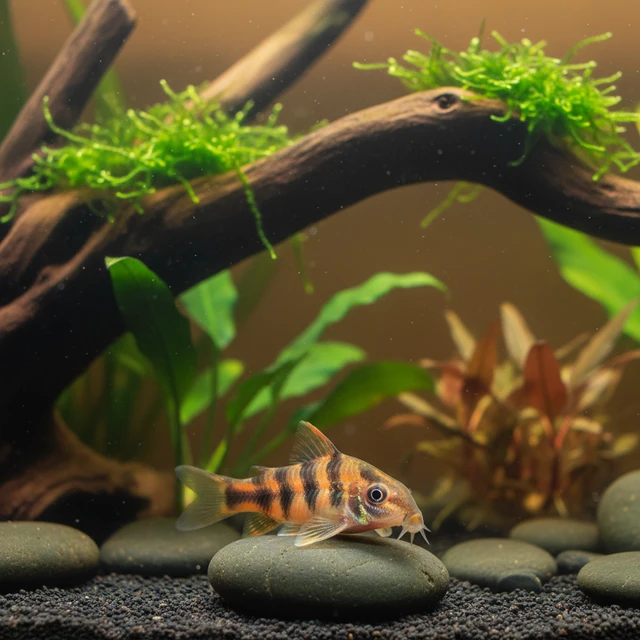
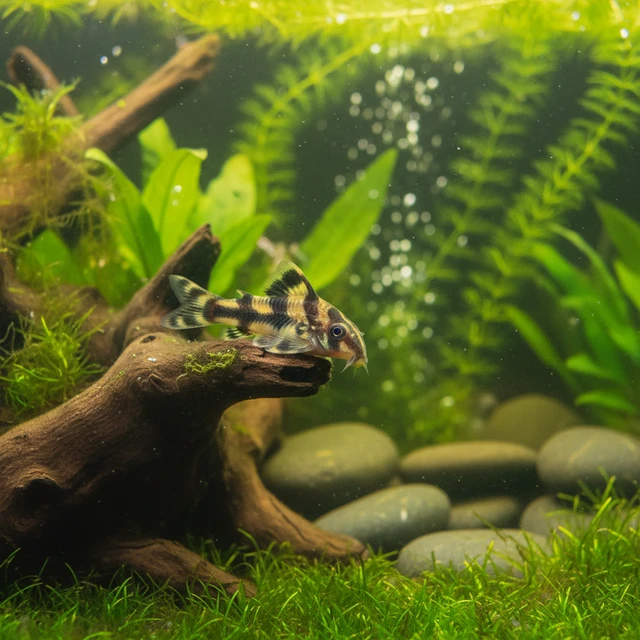
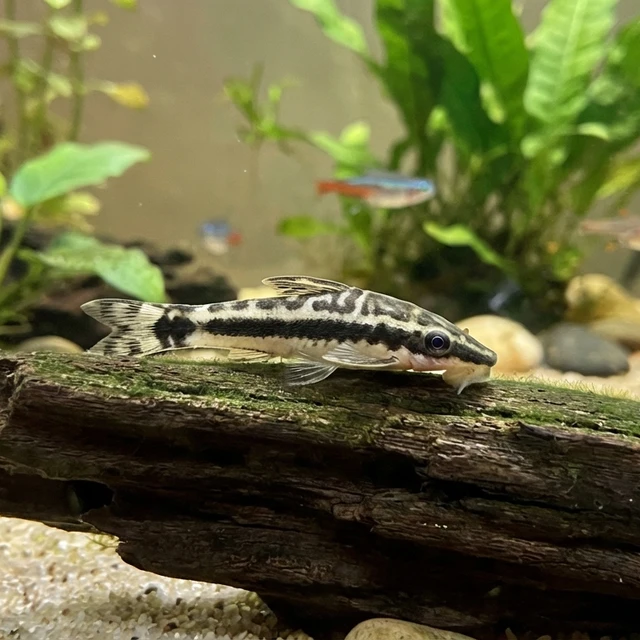
What Bumblebee Otocinclus look like
Rhinotocinclus isabelae, commonly known as the Bumblebee Otocinclus, exhibits a diminutive, laterally compressed body that typically reaches a maximum adult size of 1.5 inches (approximately 3.8 cm). This species is characterized by its striking pale body adorned with bold, dark vertical bands that evoke a bumblebee pattern, providing effective camouflage among aquatic vegetation. The fish possesses a small, specialized sucker mouth adapted for grazing on algae, complemented by a robust, armored body that offers protection from potential predators. Notably, the Bumblebee Otocinclus lacks pronounced sexual dimorphism; however, females may appear slightly fuller-bodied during breeding periods. Unique morphological features include a well-developed lateral line system, which aids in navigation and detection of water movements, and a small adipose fin situated posterior to the dorsal fin, enhancing its hydrodynamic efficiency.
Behavior & temperament
The Bumblebee Otocinclus is primarily a social fish, often found in small groups within its natural habitat, which promotes a communal grazing behavior on algae-covered surfaces. This species typically occupies the benthic zone of freshwater environments, where it forages among rocks and plant debris. Breeding behavior is characterized by egg scattering, with females laying adhesive eggs on surfaces such as leaves or substrate, where they are protected from predation. The temperament of the Bumblebee Otocinclus is generally peaceful, making it an ideal inhabitant for community tanks; however, it may exhibit slight territoriality during breeding periods, particularly among males competing for female attention.
Diet & feeding
In the wild, the Bumblebee Otocinclus primarily feeds on algae, detritus, and biofilm, making it an effective algae grazer. In captivity, it thrives on a varied diet that includes high-quality algae wafers, blanched vegetables, and occasional protein sources such as spirulina flakes or micro-pellets.
Behind the name
Rhinotocinclus (Greek: 'rhino' meaning nose; 'tocinclus' meaning small sucker), isabelae (named in honor of a person, possibly Isabel).
Plan your tank
Check the numbers before you buy: tank volume, a stocking plan, cycle progress, water changes, and your ongoing care routine.
Keep reading
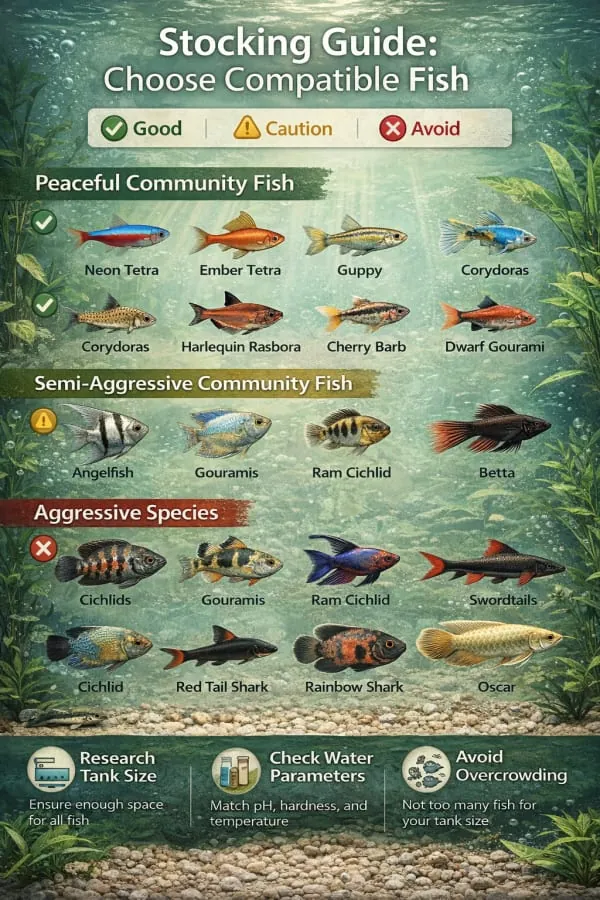
Choose compatible fish: school sizes, swimming zones, aggression, temperature and hardness matching, and honest bioload math for a peaceful community.
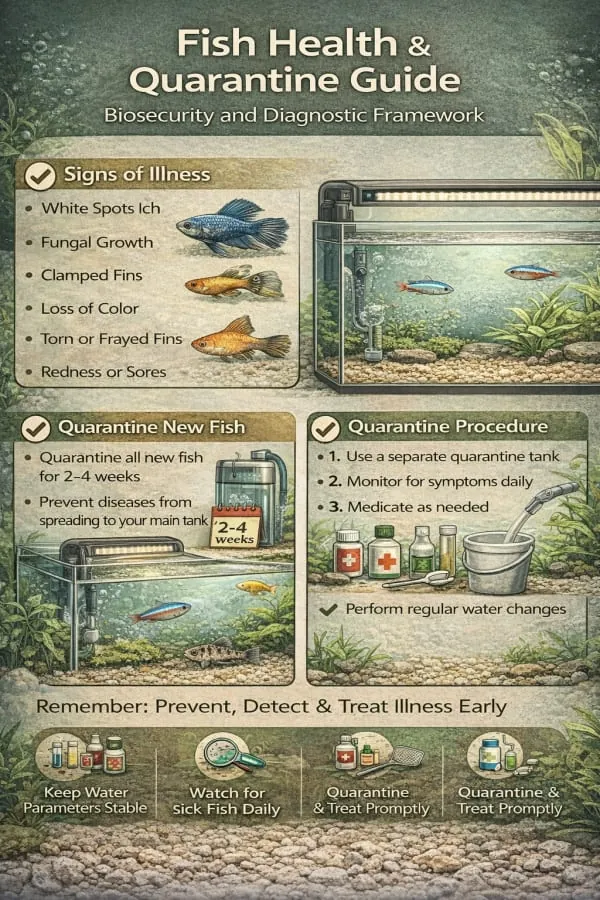
Quarantine new fish, spot the early warning signs, and treat disease without wrecking your tank. A practical freshwater fish health guide.
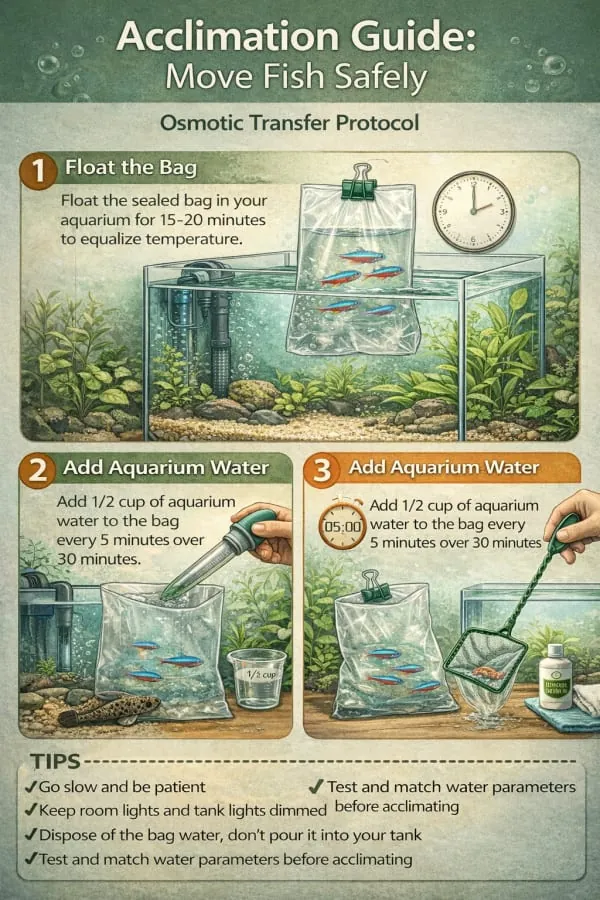
Acclimate new fish, shrimp, and coral safely: temperature floating, drip acclimation, plop-and-drop for shipped livestock, and the first 24 hours.
Keeping Bumblebee Otocinclus?
AquaLens identifies your fish and plants from a photo, tracks water chemistry, and flags health issues early — free on iOS and Android.