Long Spine Urchin Care Guide
Diadema setosum · Saltwater Urchin
What Long Spine Urchin look like
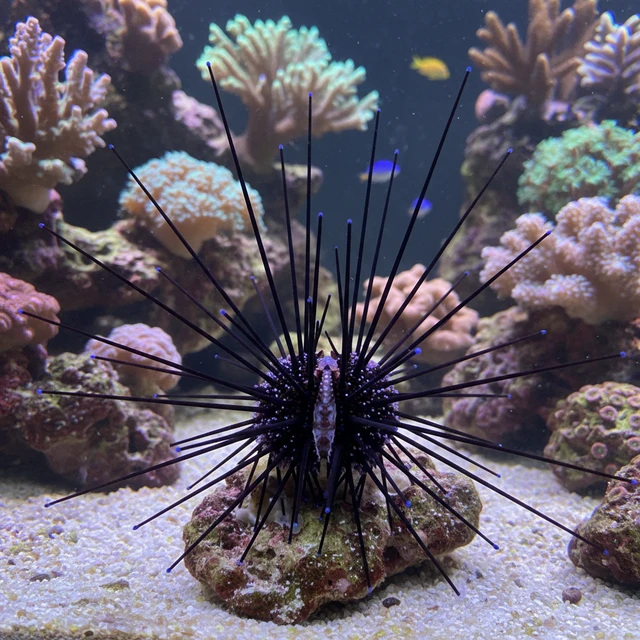
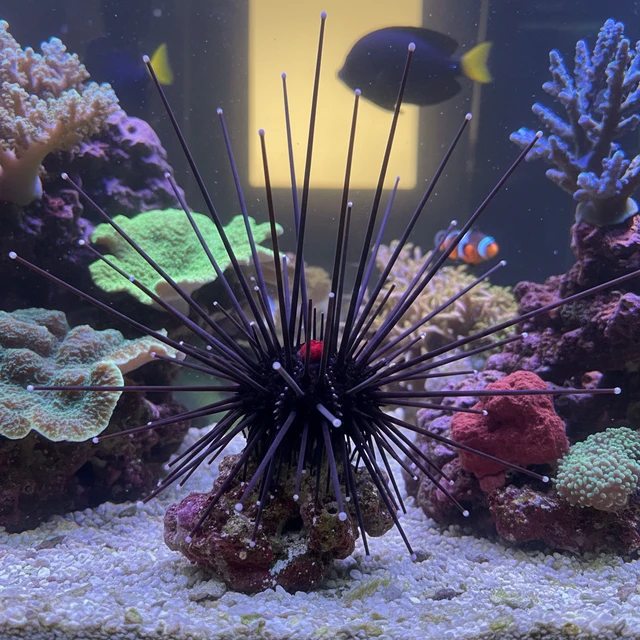
Diadema setosum, commonly known as the Long Spine Urchin, exhibits a distinctive morphology characterized by its elongated, slender spines that can reach lengths of up to 30 cm. The body, or test, is typically globular and ranges from 5 to 10 cm in diameter, displaying a dark coloration that can vary from brown to black. Sexual dimorphism is minimal, with both sexes exhibiting similar external features; however, males may be slightly smaller than females. Defensive adaptations include the long, sharp spines that can deter potential predators, while the presence of pedicellariae on the surface aids in deterring small organisms. Unique morphological features include a well-developed oral structure with tube feet that facilitate movement and feeding, as well as a prominent ring of tube feet around the mouth, which are used for grasping and manipulation of food sources.
Behavior & temperament
Diadema setosum is primarily a nocturnal herbivore, exhibiting a behavior of grazing on algae and detritus during the night. It tends to inhabit crevices and under ledges during the day, displaying a solitary lifestyle with little social hierarchy. Breeding behavior occurs during the spawning season, where individuals release gametes into the water column, relying on external fertilization. The Long Spine Urchin is generally non-aggressive but can exhibit defensive behavior when threatened, utilizing its spines as a deterrent against larger predators. Movement is primarily slow and deliberate, with the urchin extending and retracting its tube feet for locomotion and stability.
Diet & feeding
Diadema setosum is primarily herbivorous, feeding on a diet of algae, detritus, and biofilm in its natural habitat. In captivity, it requires a diet rich in marine algae, such as nori, and may benefit from supplemental feeding of herbivore pellets and blanched vegetables.
Behind the name
The genus name 'Diadema' is derived from the Greek word 'diadema', meaning 'diadem' or 'crown', referring to the spiny appearance of the urchin. The species name 'setosum' comes from the Latin 'seta', meaning 'bristle' or 'spine', highlighting the long spines characteristic of this species.
Plan your tank
Check the numbers before you buy: tank volume, salinity, salt mix, water changes, and your ongoing care routine. Keeping reef? Start from the Saltwater & Reef hub.
Keep reading
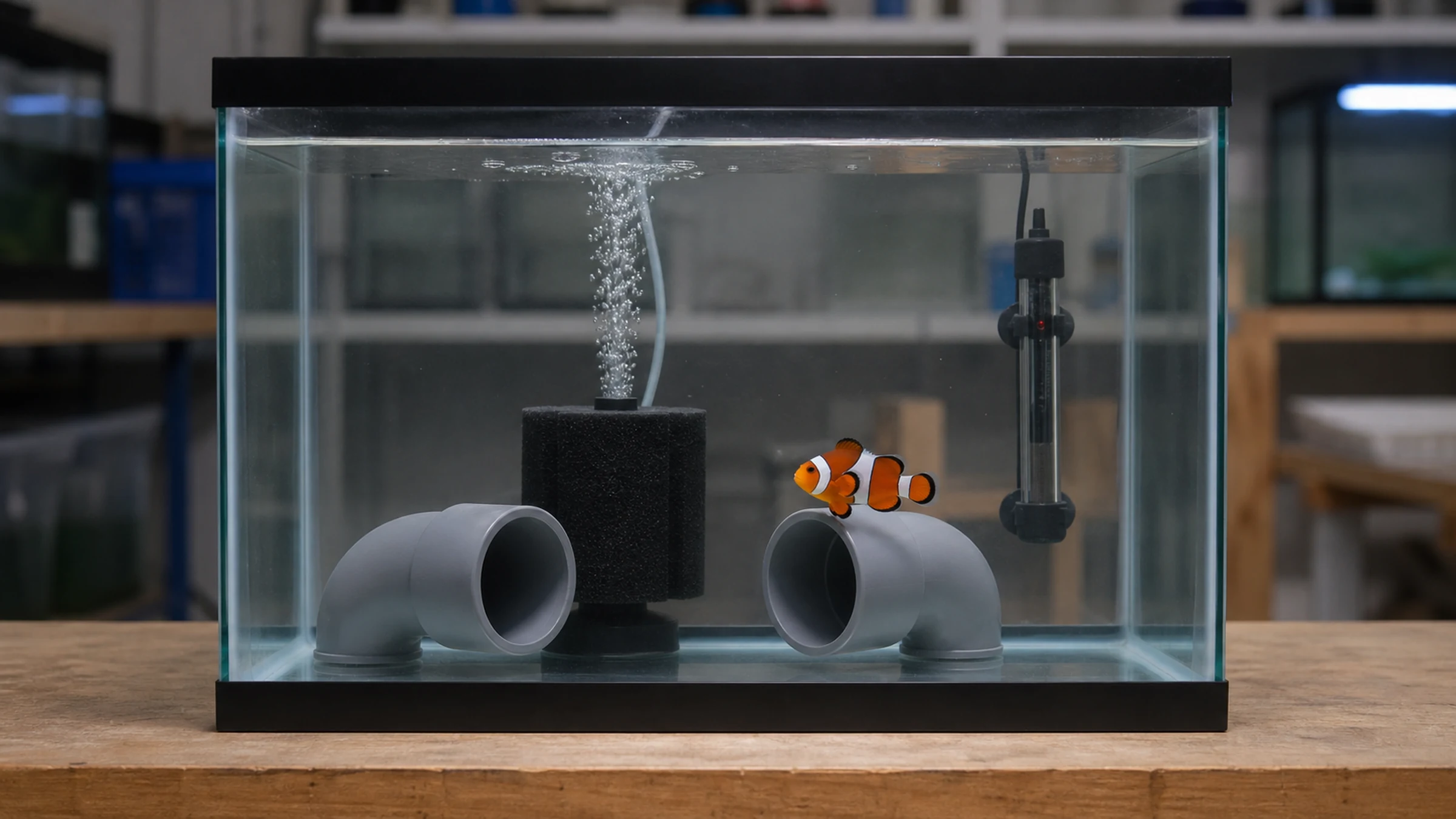
How to quarantine new saltwater fish against marine ich, velvet, and brooklynella: the QT tank, treatments, timelines, and the buy-clean shortcut.

What every reef parameter means and where to keep it: salinity, temperature, pH, alkalinity, calcium, magnesium, nitrate, and phosphate.

Choose compatible fish: school sizes, swimming zones, aggression, temperature and hardness matching, and honest bioload math for a peaceful community.
Keeping Long Spine Urchin?
AquaLens identifies your fish and plants from a photo, tracks water chemistry, and flags health issues early — free on iOS and Android.