Pencil Urchin Care Guide
Eucidaris tribuloides · Saltwater Urchin
What Pencil Urchin look like
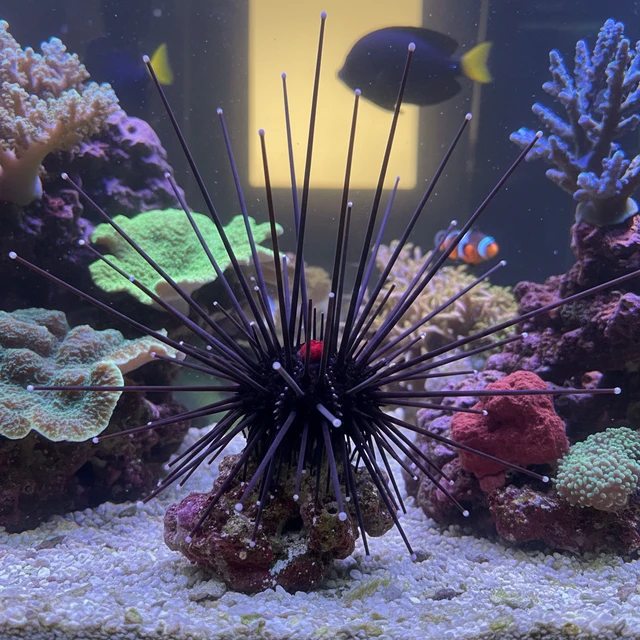
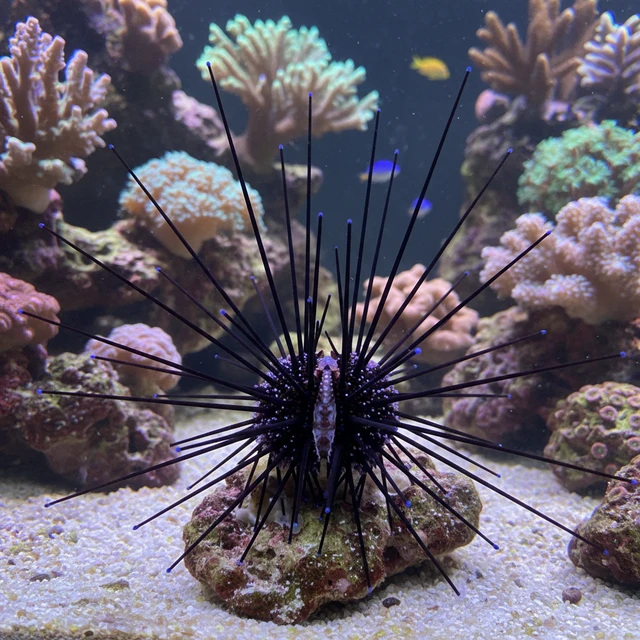
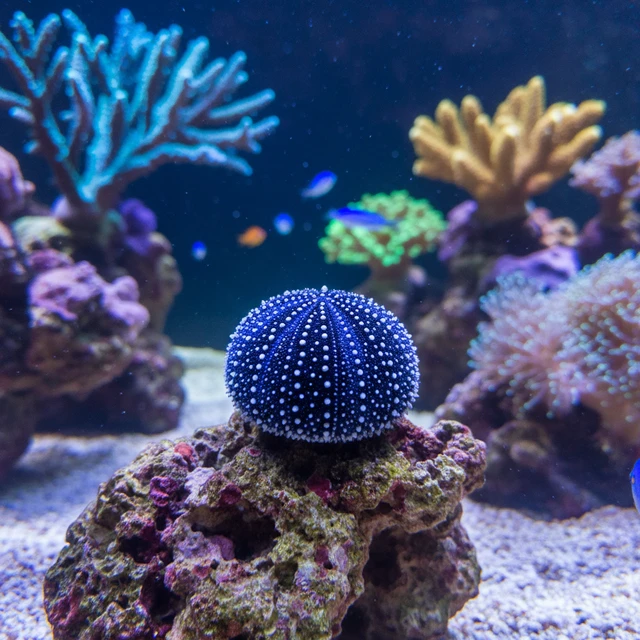
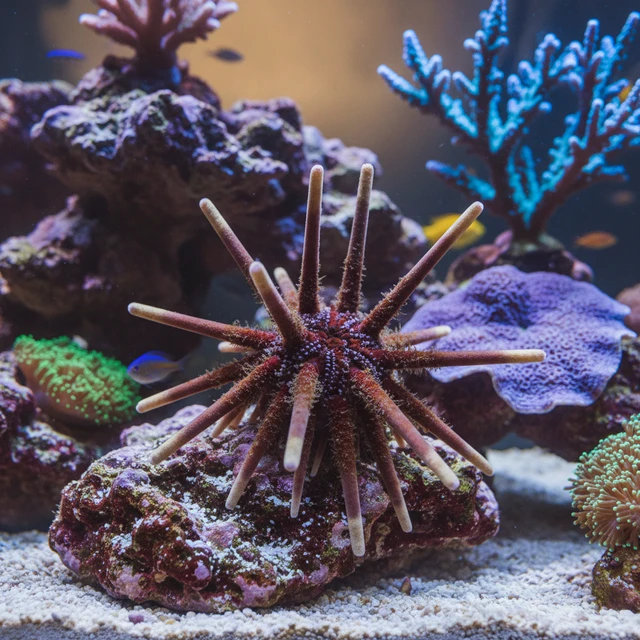
Eucidaris tribuloides, commonly known as the Pencil Urchin, exhibits a distinctive morphology characterized by its elongated, pencil-like spines that can reach up to 10 cm in length. The body, or test, is typically globular and can measure up to 15 cm in diameter. The coloration varies from brown to greenish hues, often with a mottled appearance that aids in camouflage against the substrate. Sexual dimorphism is minimal, with both sexes exhibiting similar external features. Defensive adaptations include the formidable spines that deter predators, and the ability to retract these spines into the body for added protection. Unique morphological features include the presence of pedicellariae, which are small pincer-like structures that help in cleaning the body surface and deterring small pests.
Behavior & temperament
The Pencil Urchin is primarily a nocturnal grazer, exhibiting a behavior of foraging during the night when it extends its spines and moves slowly across the substrate. It displays a solitary lifestyle, often found hiding under rocks or within crevices during the day. Breeding behavior involves external fertilization, where males and females release gametes into the water column simultaneously during specific lunar phases. The temperament of Eucidaris tribuloides is generally passive, but it can exhibit defensive postures when threatened, using its spines to deter potential predators.
Diet & feeding
Eucidaris tribuloides is primarily herbivorous, feeding on algae, detritus, and organic matter found on the reef substrate. In captivity, it requires a diet rich in marine algae and may benefit from supplemental feedings of spirulina and other herbivorous preparations.
Behind the name
The genus name 'Eucidaris' derives from the Greek 'eu' meaning 'good' or 'well' and 'cidaris' meaning 'hedgehog', referring to its spiny appearance. The species name 'tribuloides' is derived from the Latin 'tribulus', referring to a spiny plant, reflecting its spiny morphology.
Plan your tank
Check the numbers before you buy: tank volume, salinity, salt mix, water changes, and your ongoing care routine. Keeping reef? Start from the Saltwater & Reef hub.
Keep reading
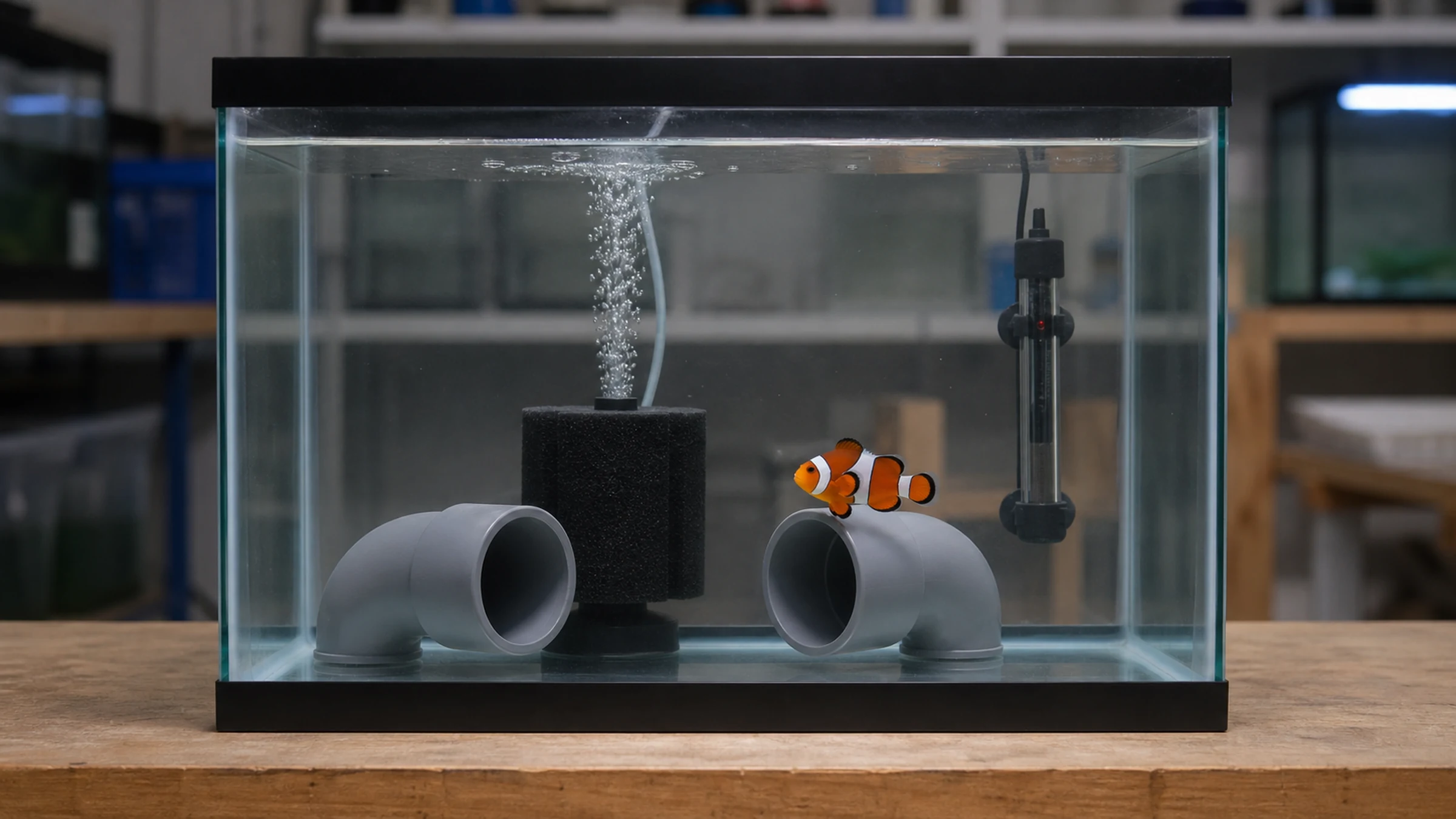
How to quarantine new saltwater fish against marine ich, velvet, and brooklynella: the QT tank, treatments, timelines, and the buy-clean shortcut.

What every reef parameter means and where to keep it: salinity, temperature, pH, alkalinity, calcium, magnesium, nitrate, and phosphate.

Choose compatible fish: school sizes, swimming zones, aggression, temperature and hardness matching, and honest bioload math for a peaceful community.
Keeping Pencil Urchin?
AquaLens identifies your fish and plants from a photo, tracks water chemistry, and flags health issues early — free on iOS and Android.