Pincushion Urchin Care Guide
Lytechinus variegatus · Saltwater Urchin
What Pincushion Urchin look like
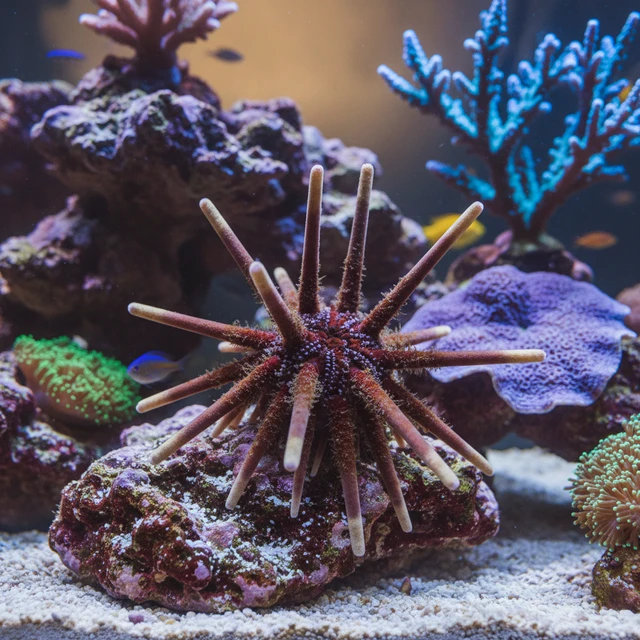
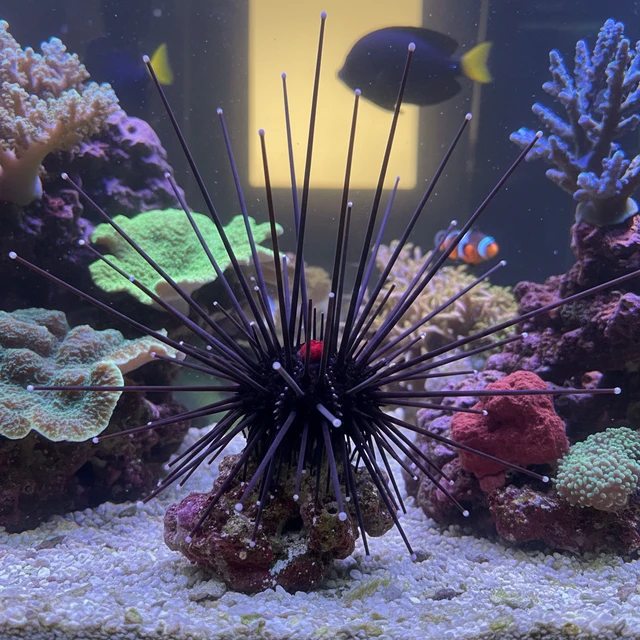
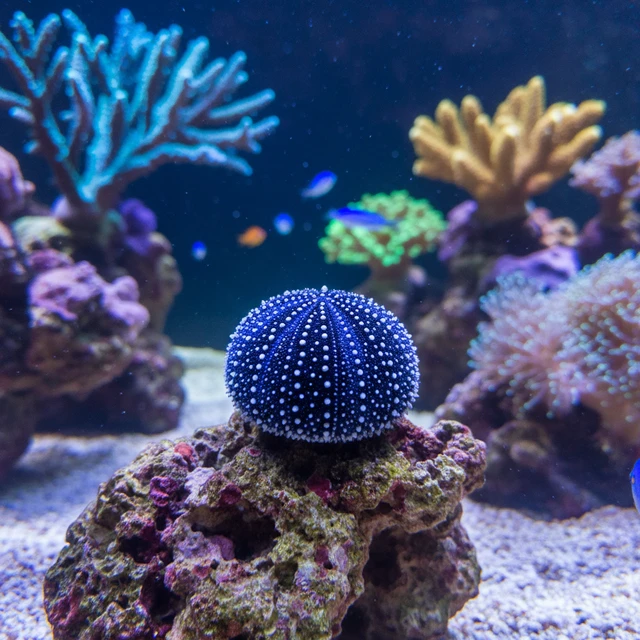
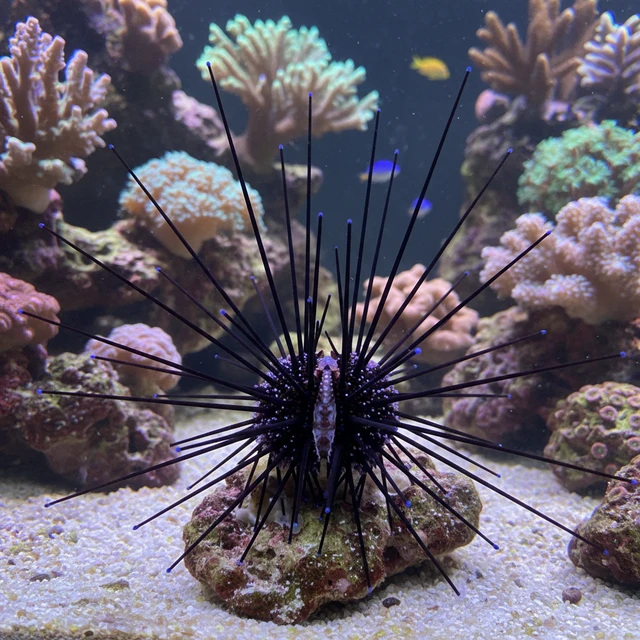
Lytechinus variegatus, commonly known as the Pincushion Urchin, exhibits a globular, flattened body covered in a myriad of short, movable spines that can vary in color from green to purple, providing effective camouflage against predators. Adult specimens can reach a maximum diameter of approximately 10 cm (4 inches). This species does not exhibit sexual dimorphism, as both sexes share similar external characteristics. Defensive adaptations include the presence of sharp spines, which can deter potential predators, and a tough, leathery test that provides structural integrity. Unique morphological features include a well-defined peristome and a series of tube feet that extend from the ambulacral grooves, allowing for locomotion and feeding.
Behavior & temperament
Pincushion Urchins are primarily solitary but can be found in small groups in areas with abundant food sources. They exhibit a benthic lifestyle, typically residing on sandy or rocky substrates in shallow waters. Their feeding behavior is characterized by grazing on algae and detritus, utilizing their specialized mouthparts, known as Aristotle's lantern, to scrape food from surfaces. In terms of temperament, they are generally non-aggressive and rely on their spines for protection rather than confrontational behavior. During the breeding season, they engage in mass spawning events, releasing gametes into the water column synchronously.
Diet & feeding
Pincushion Urchins are primarily herbivorous, feeding on algae, detritus, and other organic materials found on the substrate. In captivity, they require a diet rich in macroalgae and may benefit from supplemental feeding with marine vegetable matter.
Behind the name
The genus name 'Lytechinus' is derived from the Greek words 'lytos', meaning 'smooth', and 'echinus', meaning 'hedgehog', referring to the smooth appearance of the urchin's test. The species name 'variegatus' comes from the Latin word 'variegatus', meaning 'variegated' or 'having different colors', indicative of the diverse coloration of this species.
Plan your tank
Check the numbers before you buy: tank volume, salinity, salt mix, water changes, and your ongoing care routine. Keeping reef? Start from the Saltwater & Reef hub.
Keep reading
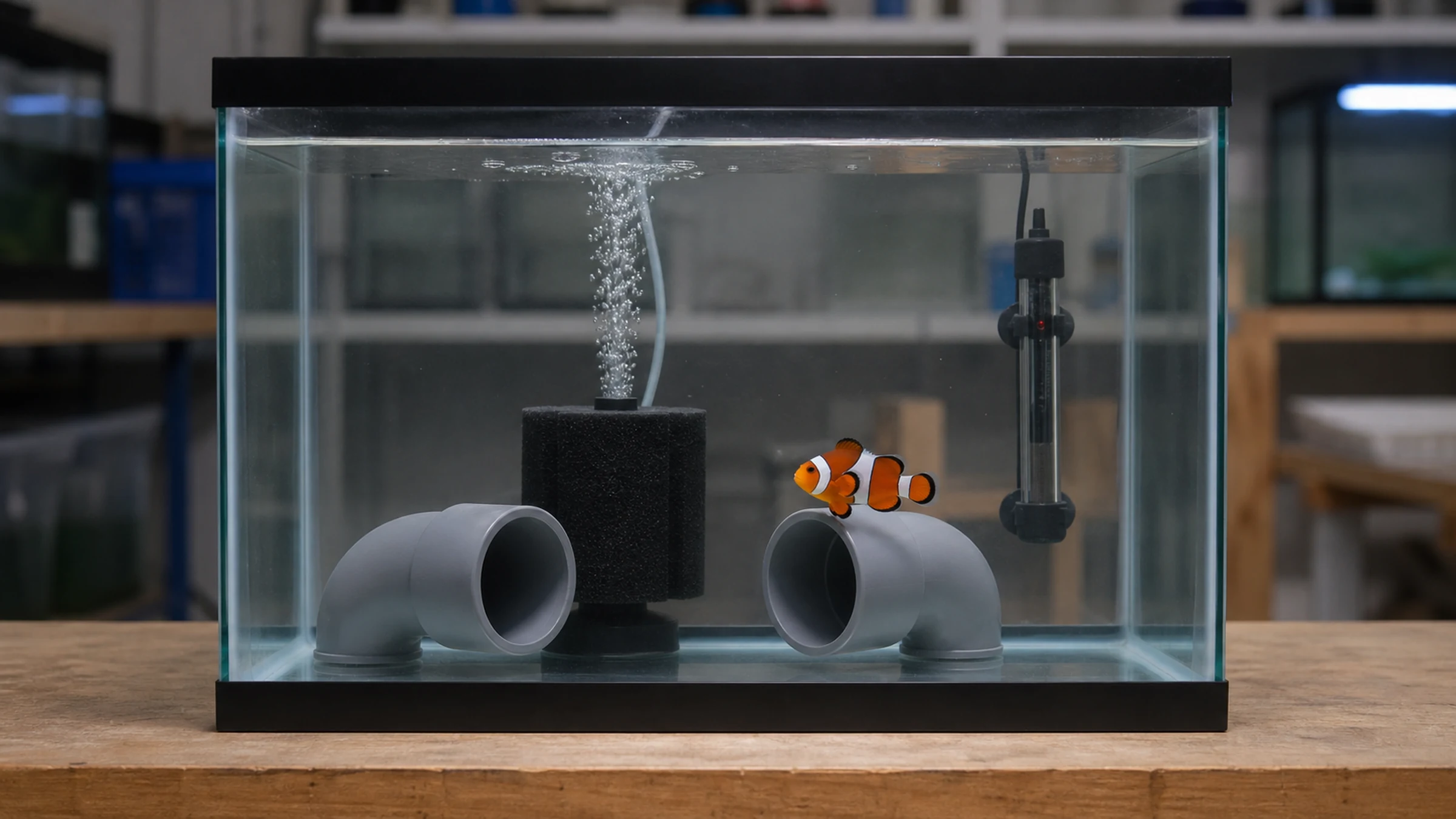
How to quarantine new saltwater fish against marine ich, velvet, and brooklynella: the QT tank, treatments, timelines, and the buy-clean shortcut.

What every reef parameter means and where to keep it: salinity, temperature, pH, alkalinity, calcium, magnesium, nitrate, and phosphate.

Choose compatible fish: school sizes, swimming zones, aggression, temperature and hardness matching, and honest bioload math for a peaceful community.
Keeping Pincushion Urchin?
AquaLens identifies your fish and plants from a photo, tracks water chemistry, and flags health issues early — free on iOS and Android.