Marbled Limpet Nerite Snail Care Guide
Septaria porcellana · Freshwater Fish
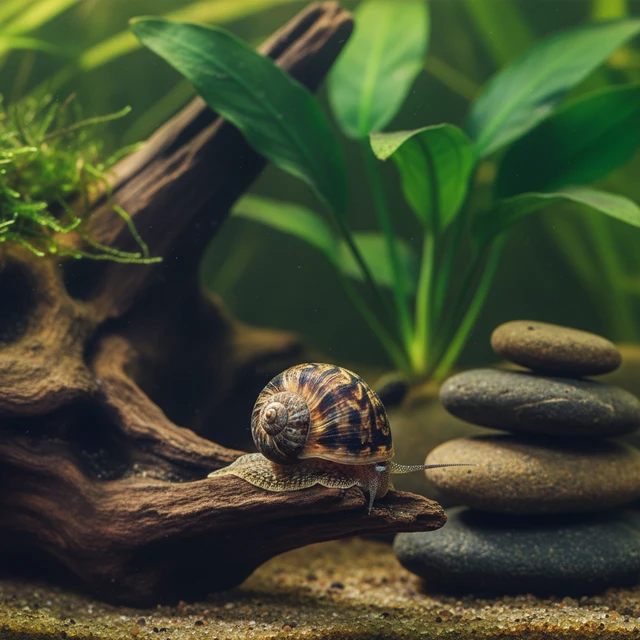
What Marbled Limpet Nerite Snail look like
The Marbled Limpet Nerite Snail (Septaria porcellana) exhibits a unique morphology characterized by its extremely flat, limpet-like shell, which can reach a maximum adult size of approximately 1 inch (2.5 cm). The shell is adorned with a striking marbled pattern of brown and cream, providing effective camouflage against rocky substrates. This species lacks the typical coiling seen in many gastropods, resulting in a more dorsally flattened profile. The shell's structure is composed of a porcelain-like material, offering both durability and a smooth surface that aids in adhesion to various substrates. Notably, the foot is broad and muscular, enabling the snail to cling tightly to surfaces, while the operculum is well-developed, providing protection against desiccation and predation. The absence of significant sexual dimorphism is observed, as both sexes exhibit similar physical characteristics.
Behavior & temperament
The Marbled Limpet Nerite Snail is primarily a solitary organism, often found clinging to hard surfaces in freshwater environments. It is a benthic dweller, residing primarily on the substrate where it grazes on algae. This species exhibits a calm temperament, displaying minimal aggression towards conspecifics and other tank inhabitants. Breeding behavior in captivity remains largely undocumented, but it is presumed to be oviparous, laying eggs in clusters on surfaces. The snail's grazing behavior is characterized by a slow, methodical movement as it utilizes its radula to scrape algae from surfaces, contributing to its role in maintaining the ecological balance of its habitat.
Diet & feeding
In the wild, the Marbled Limpet Nerite Snail primarily feeds on biofilm and algae, utilizing its specialized radula for scraping. In captivity, it thrives on a varied diet that includes high-quality algae wafers, blanched vegetables, and occasional protein sources such as spirulina and finely crushed fish food.
Behind the name
Septaria (from Latin 'septum', meaning wall or partition); porcellana (from Latin 'porcellus', meaning little pig, referring to the smooth, porcelain-like texture of the shell).
Plan your tank
Check the numbers before you buy: tank volume, a stocking plan, cycle progress, water changes, and your ongoing care routine.
Keep reading
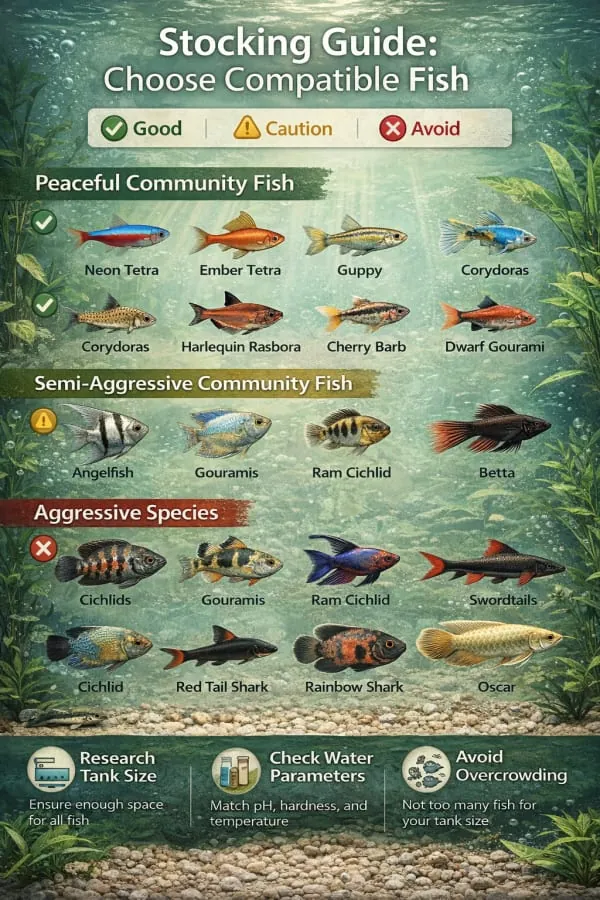
Choose compatible fish: school sizes, swimming zones, aggression, temperature and hardness matching, and honest bioload math for a peaceful community.
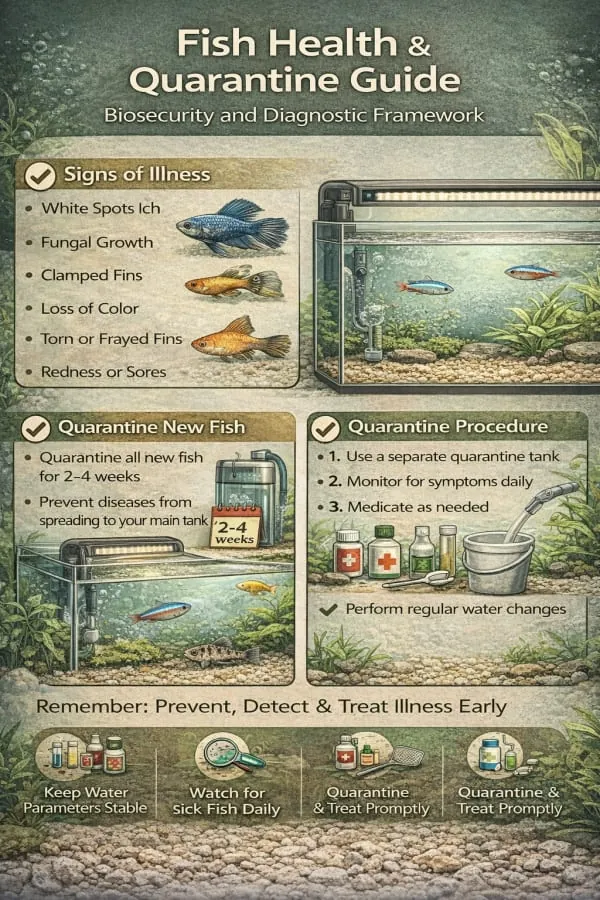
Quarantine new fish, spot the early warning signs, and treat disease without wrecking your tank. A practical freshwater fish health guide.
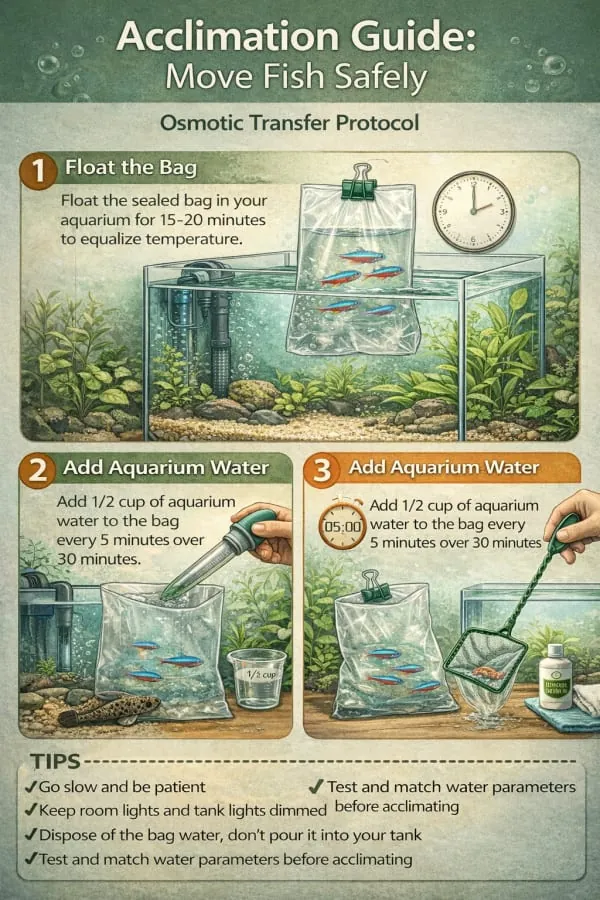
Acclimate new fish, shrimp, and coral safely: temperature floating, drip acclimation, plop-and-drop for shipped livestock, and the first 24 hours.
Keeping Marbled Limpet Nerite Snail?
AquaLens identifies your fish and plants from a photo, tracks water chemistry, and flags health issues early — free on iOS and Android.