White Wizard Snail Care Guide
Filopaludina martensi · Freshwater Fish
What White Wizard Snail look like
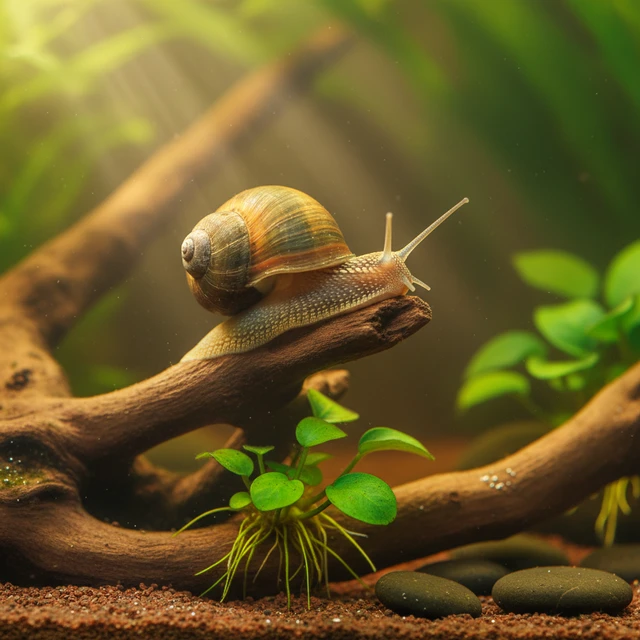
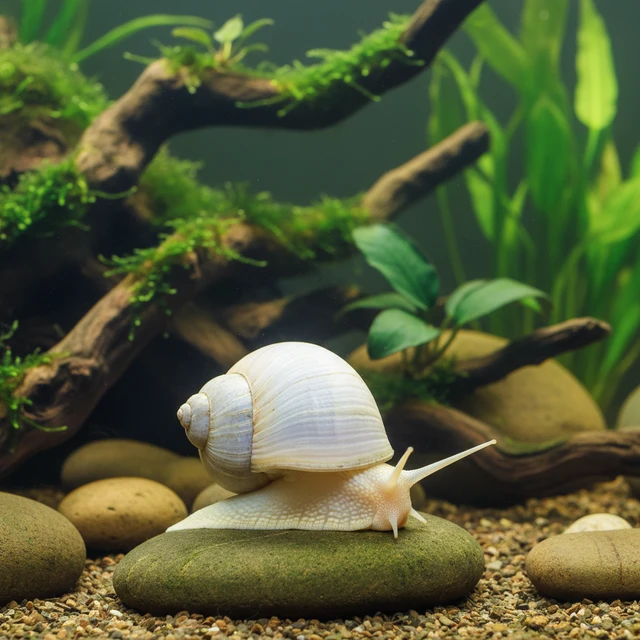
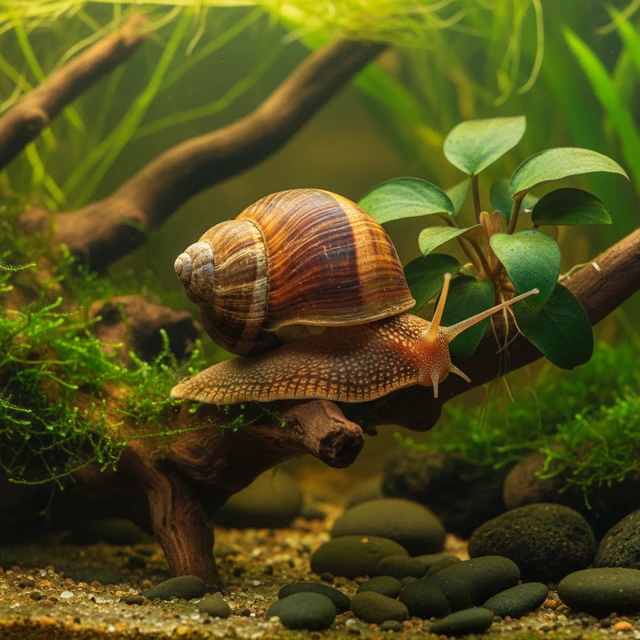
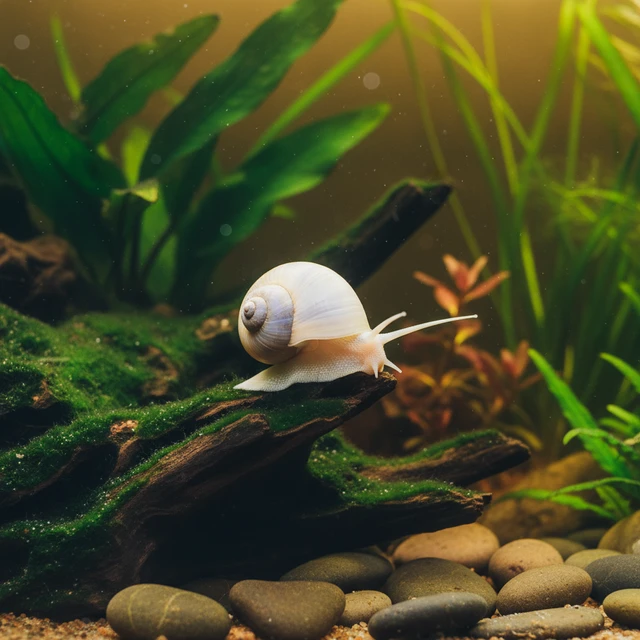
Filopaludina martensi, commonly known as the White Wizard Snail, exhibits a distinctive pale cream to white globular-conical shell, which can reach a maximum adult size of approximately 5 inches in diameter. The shell is characterized by its smooth, glossy surface and subtle whorls, providing a striking contrast to the typically darker shells of other freshwater snail species. The body of the snail is also pale, contributing to its overall elegant appearance. Sexual dimorphism is not pronounced in this species; however, females may exhibit a slightly larger size due to their reproductive adaptations. As a livebearing snail, it possesses a unique reproductive morphology that allows for the retention of eggs until they hatch, which is a notable adaptation among gastropods. The shell's structure includes a well-defined aperture and a columella that is robust, aiding in the snail's ability to navigate its environment. Additionally, the presence of a distinct operculum provides a defensive adaptation, allowing the snail to seal itself within its shell to deter predators.
Behavior & temperament
The White Wizard Snail is primarily a benthic organism, dwelling on the substrate of freshwater habitats where it forages for food. It exhibits a solitary behavior, although it may be found in loose aggregations in favorable conditions. This species is not an obligate schooler and does not display a hierarchical social structure. Breeding behavior is characterized by viviparity, with females giving birth to live young rather than laying eggs, which is a significant aspect of their reproductive strategy. The temperament of Filopaludina martensi is generally peaceful, making it a suitable inhabitant for community aquariums, though it may exhibit some territoriality when competing for food resources.
Diet & feeding
In the wild, the White Wizard Snail is an omnivore, feeding on a varied diet that includes detritus, algae, and decaying plant matter. In captivity, it requires a balanced diet that includes high-quality algae wafers, blanched vegetables, and occasional protein sources such as sinking pellets to ensure optimal health and growth.
Behind the name
Filopaludina (thread marsh); martensi (named in honor of a person, likely a researcher or naturalist).
Plan your tank
Check the numbers before you buy: tank volume, a stocking plan, cycle progress, water changes, and your ongoing care routine.
Keep reading

Choose compatible fish: school sizes, swimming zones, aggression, temperature and hardness matching, and honest bioload math for a peaceful community.
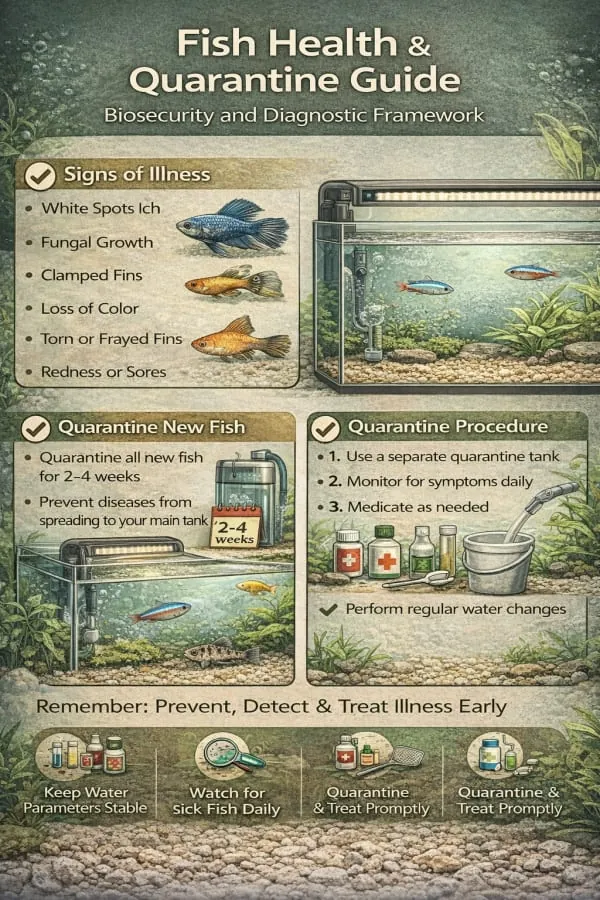
Quarantine new fish, spot the early warning signs, and treat disease without wrecking your tank. A practical freshwater fish health guide.

Acclimate new fish, shrimp, and coral safely: temperature floating, drip acclimation, plop-and-drop for shipped livestock, and the first 24 hours.
Keeping White Wizard Snail?
AquaLens identifies your fish and plants from a photo, tracks water chemistry, and flags health issues early — free on iOS and Android.