Olive Nerite Care Guide
Neritina reclivata · Freshwater Invert
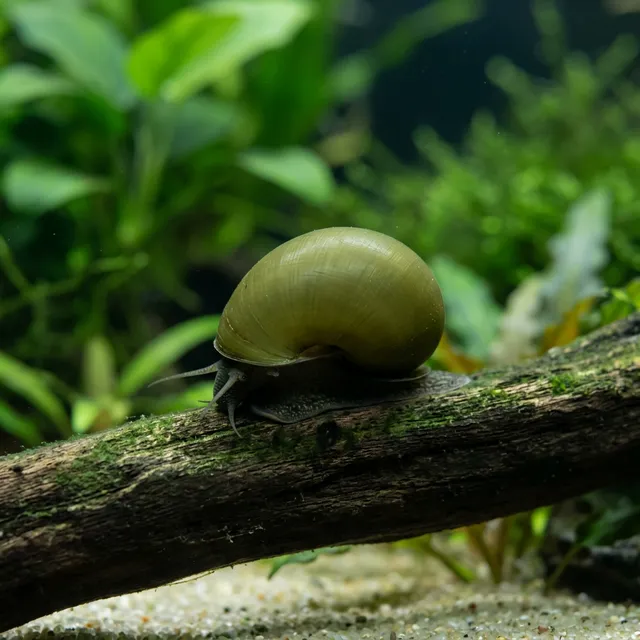
What Olive Nerite look like
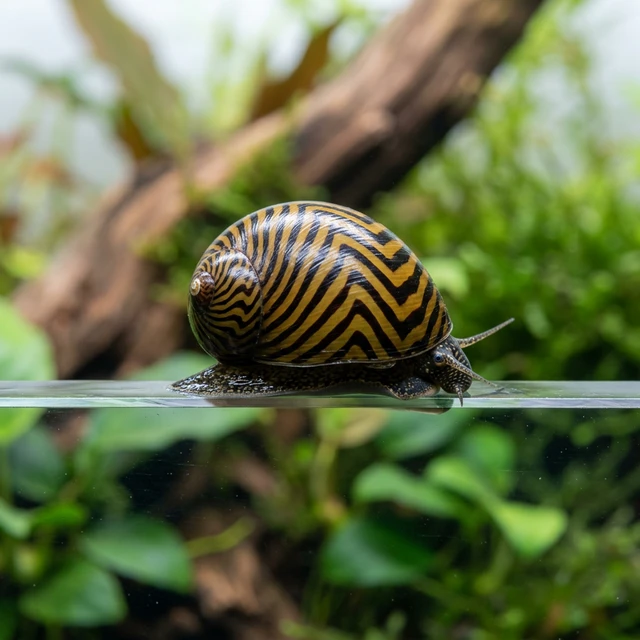
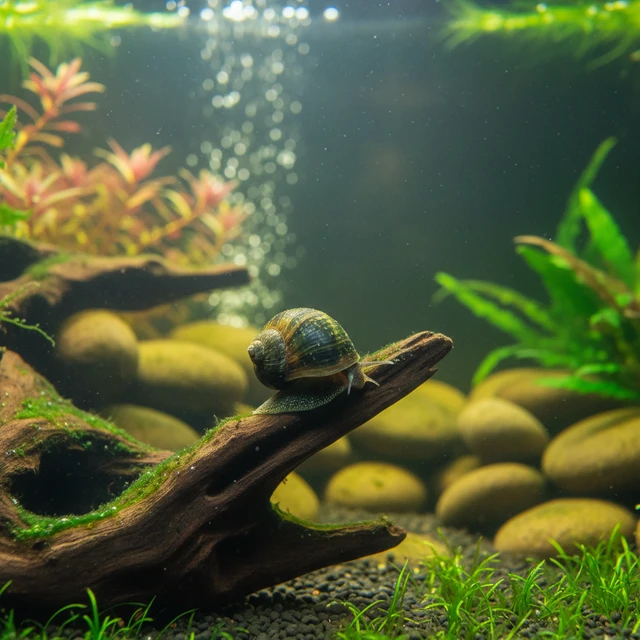
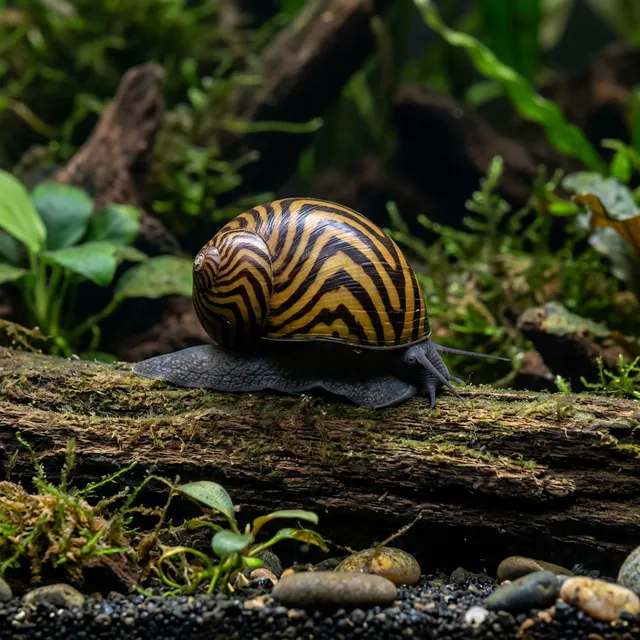
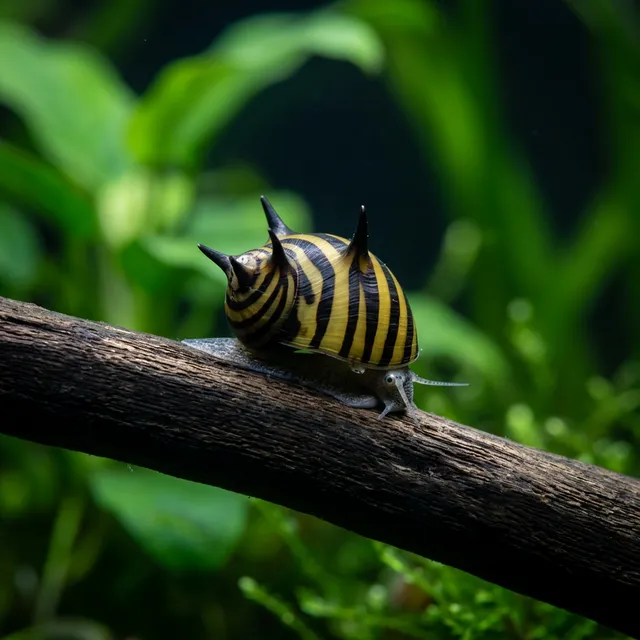
Neritina reclivata, commonly known as the Olive Nerite, exhibits a distinctive morphology characterized by a small, smooth, rounded dome-shaped shell that can reach a maximum adult size of 5-15 mm. The shell is solid and displays a plain olive-green to brownish-black coloration, completely devoid of any stripes or spots, which distinguishes it from other Neritidae members. The shell's surface is glossy and features a unique, finely ribbed texture that aids in camouflage against rocky substrates. The aperture is oval and relatively small, allowing for the retention of moisture when the snail is out of water. The foot is broad and muscular, facilitating movement across various surfaces, while the operculum is robust, aiding in protection against desiccation and predation. Notably, this species lacks significant sexual dimorphism, with both sexes exhibiting similar external characteristics.
Behavior & temperament
The Olive Nerite is primarily a benthic organism, often found clinging to hard surfaces in shallow waters, where it plays a crucial role in controlling algal growth. It is generally solitary but can be observed in loose aggregations when foraging. This species is not an obligate schooler and does not exhibit a strict social hierarchy. During breeding, Neritina reclivata engages in a unique reproductive strategy, laying eggs in gelatinous masses that adhere to substrates, typically in brackish environments. The temperament of the Olive Nerite is generally peaceful, making it an ideal inhabitant for community tanks, as it poses no aggression towards other species.
Diet & feeding
In the wild, the Olive Nerite primarily feeds on algae, biofilm, and detritus found on rocks and other surfaces. In captivity, it requires a diet rich in algae, supplemented with high-quality spirulina flakes and blanched vegetables to ensure optimal health and growth.
Behind the name
Neritina (from Greek 'neritos', meaning 'of the sea'); reclivata (from Latin 'reclivis', meaning 'sloping' or 'inclined', possibly referring to the shell shape).
Plan your tank
Check the numbers before you buy: tank volume, a stocking plan, cycle progress, water changes, and your ongoing care routine.
Keep reading

Choose compatible fish: school sizes, swimming zones, aggression, temperature and hardness matching, and honest bioload math for a peaceful community.
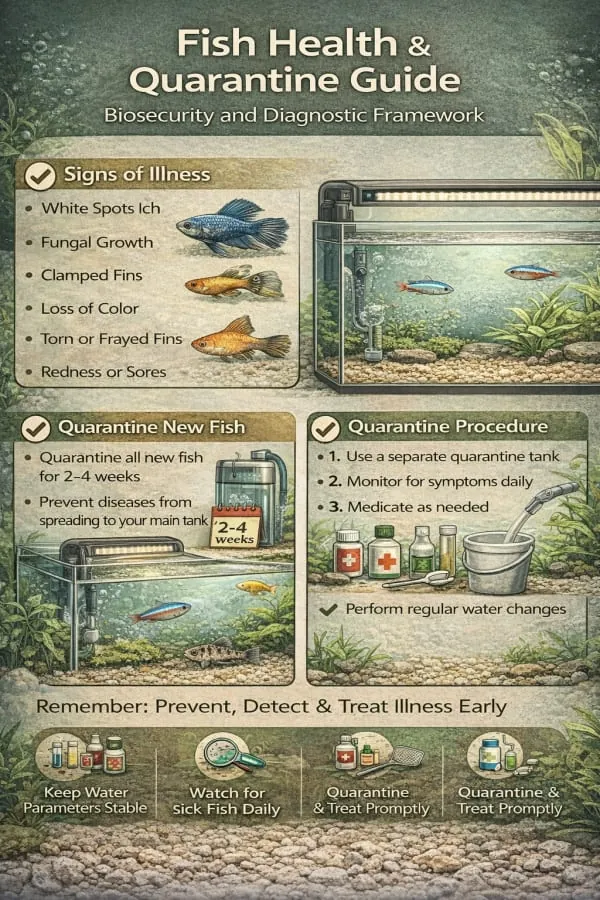
Quarantine new fish, spot the early warning signs, and treat disease without wrecking your tank. A practical freshwater fish health guide.
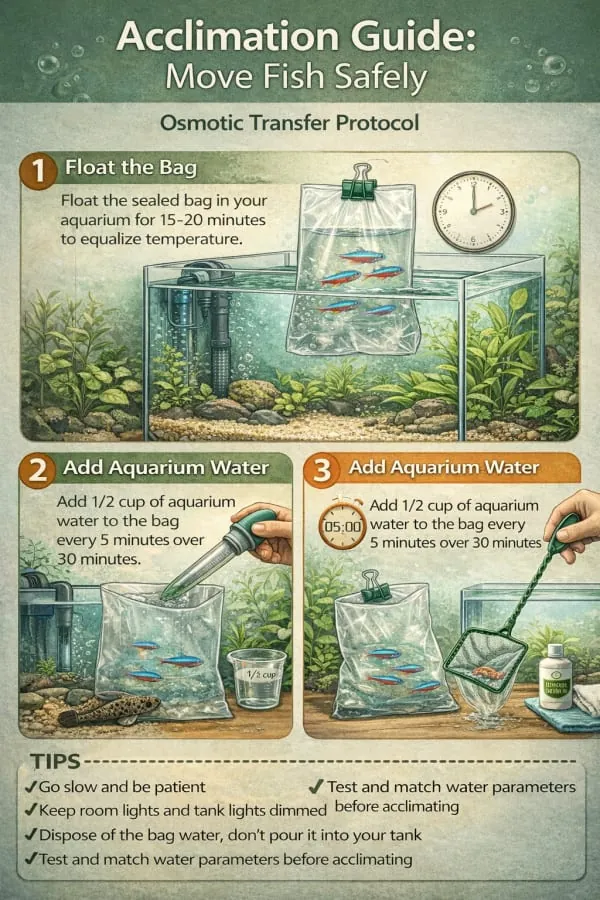
Acclimate new fish, shrimp, and coral safely: temperature floating, drip acclimation, plop-and-drop for shipped livestock, and the first 24 hours.
Keeping Olive Nerite?
AquaLens identifies your fish and plants from a photo, tracks water chemistry, and flags health issues early — free on iOS and Android.