Tiger Nerite Snail Care Guide
Neritina natalensis · Freshwater Invert
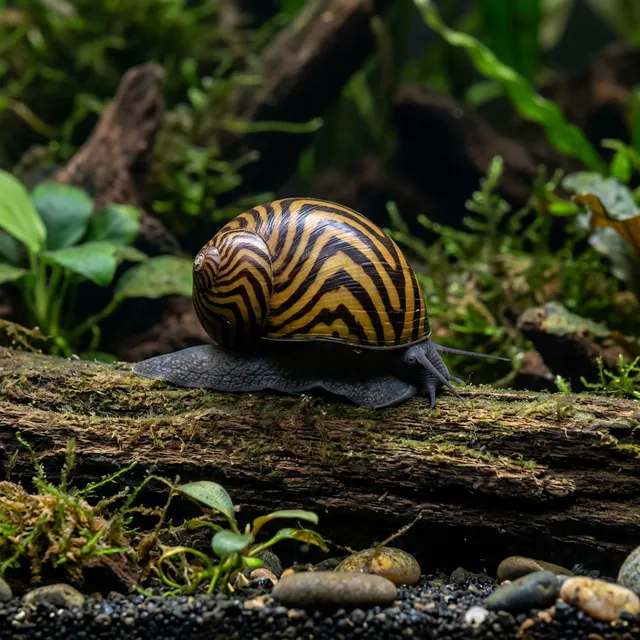
What Tiger Nerite Snail look like
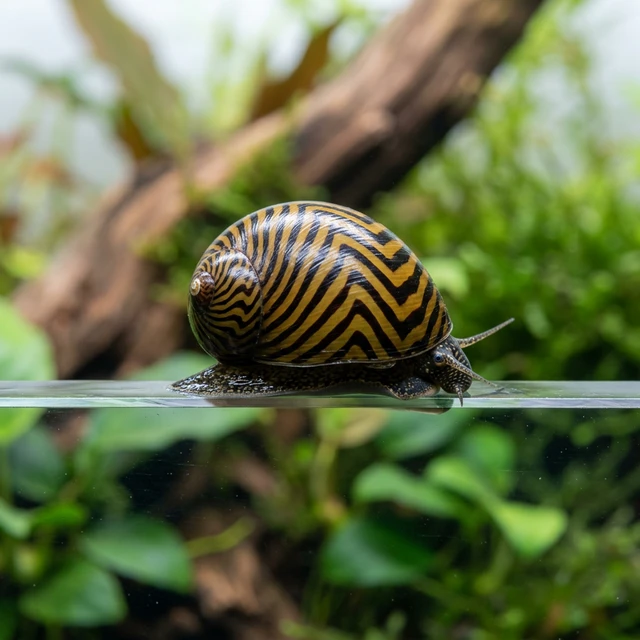
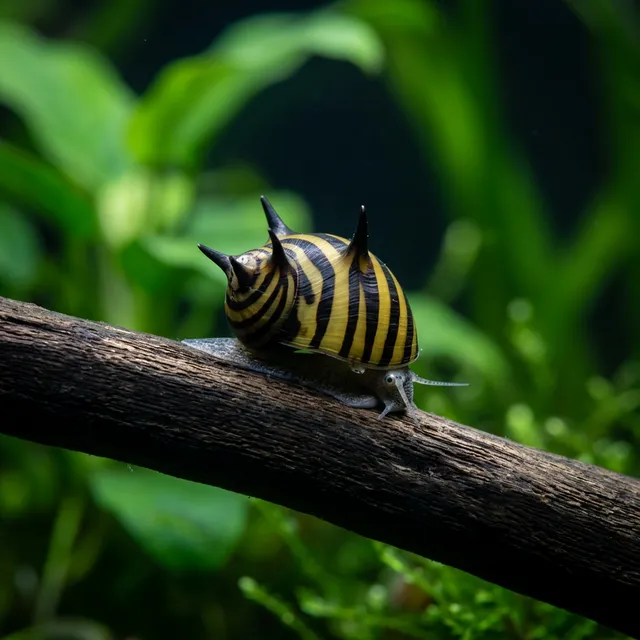
Neritina natalensis, commonly known as the Tiger Nerite Snail, exhibits a small, rounded, dome-shaped shell that typically ranges from 0.5 to 1 inch in diameter. The shell is characterized by its hard and smooth texture, adorned with bold alternating stripes of dark brown or black and golden-yellow that radiate from the center outward. This striking striped pattern can vary significantly among individuals, with some displaying straight stripes while others exhibit a more zigzag configuration. The body of the snail is a dark gray hue, providing a stark contrast to the vibrant shell. Notably, this species lacks sexual dimorphism, and its defensive adaptations include a robust shell that deters potential predators. The presence of a well-defined operculum allows for protection against desiccation and predation, while the absence of a lateral line system is typical for non-fish aquatic organisms.
Behavior & temperament
The Tiger Nerite Snail is primarily a solitary and benthic organism, often found grazing on surfaces in freshwater environments. It is not an obligate schooler, but it may be observed in small groups when foraging for algae. This species exhibits a calm temperament, with low aggression levels, making it an ideal inhabitant for community tanks. Breeding behavior is unique among nerites, as they are egg scatterers but cannot reproduce in freshwater environments; thus, they require brackish conditions for successful reproduction. Their behavior is characterized by a slow, deliberate movement as they navigate their surroundings, utilizing their radula to scrape algae and biofilm from surfaces.
Diet & feeding
In the wild, the Tiger Nerite Snail primarily feeds on algae, biofilm, and decaying plant matter. In captivity, it requires a diet rich in algae, supplemented with high-quality spirulina flakes and blanched vegetables to ensure optimal health and growth.
Behind the name
The genus name 'Neritina' is derived from the Latin 'neritina', referring to a type of freshwater snail, while the species name 'natalensis' indicates its origin from Natal, a region in South Africa.
Plan your tank
Check the numbers before you buy: tank volume, a stocking plan, cycle progress, water changes, and your ongoing care routine.
Keep reading

Choose compatible fish: school sizes, swimming zones, aggression, temperature and hardness matching, and honest bioload math for a peaceful community.
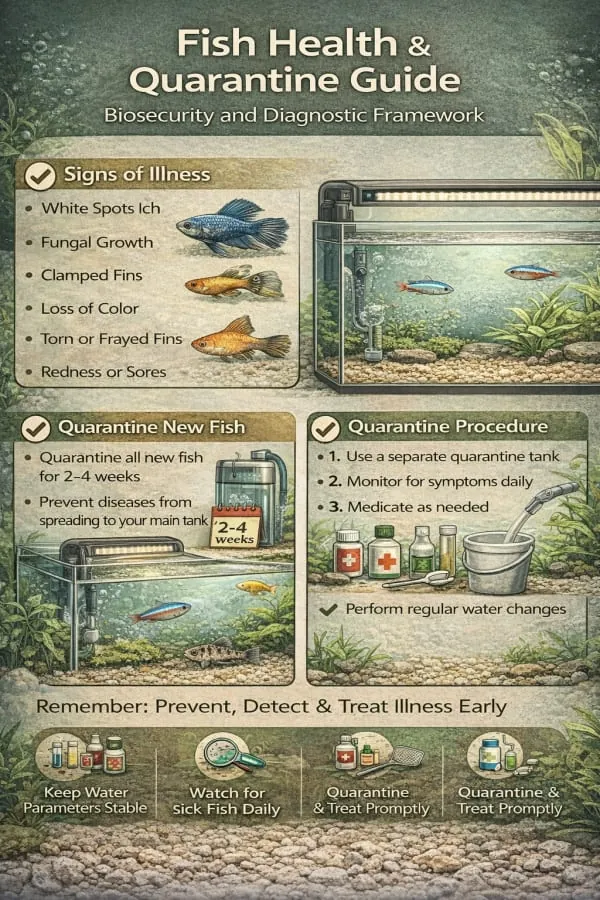
Quarantine new fish, spot the early warning signs, and treat disease without wrecking your tank. A practical freshwater fish health guide.

Acclimate new fish, shrimp, and coral safely: temperature floating, drip acclimation, plop-and-drop for shipped livestock, and the first 24 hours.
Keeping Tiger Nerite Snail?
AquaLens identifies your fish and plants from a photo, tracks water chemistry, and flags health issues early — free on iOS and Android.