OEBT Shrimp Care Guide
Caridina mariae · Freshwater Invert
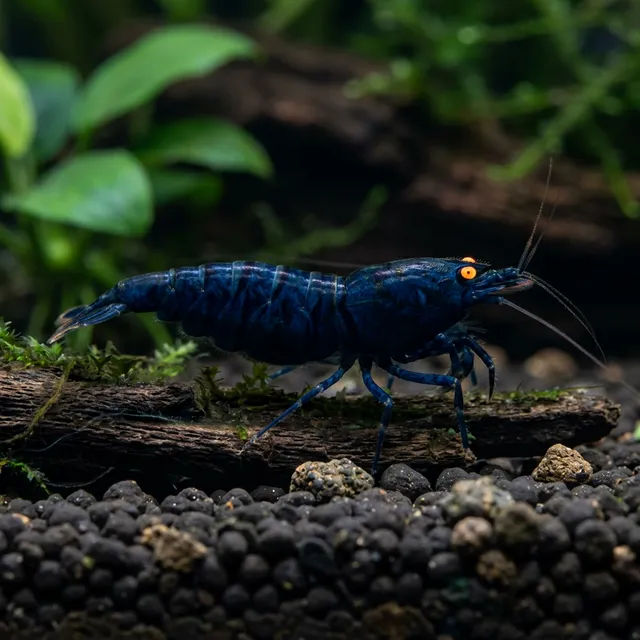
What OEBT Shrimp look like
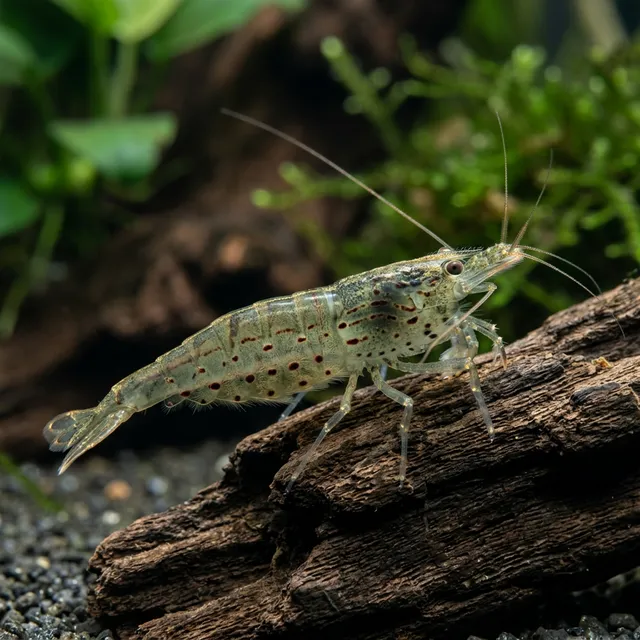
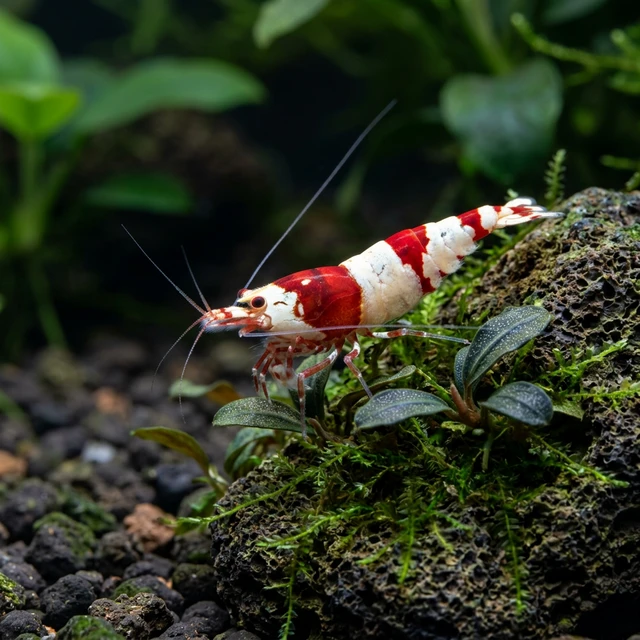
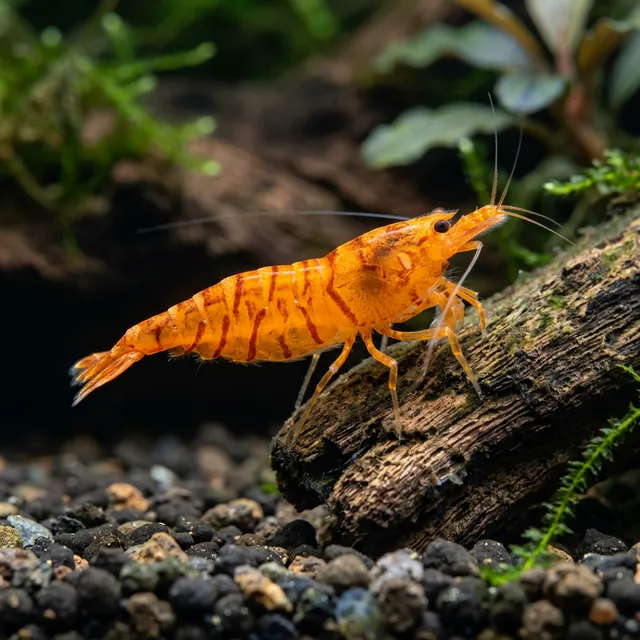
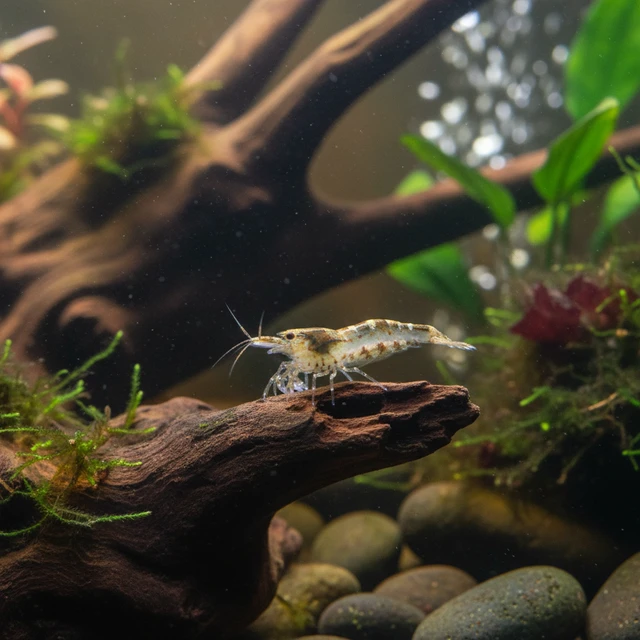
Caridina mariae, commonly known as the OEBT Shrimp, exhibits a strikingly deep, dark navy-blue exoskeleton that provides a dramatic contrast to its vibrant, neon-orange to yellow compound eyes, which serve as a critical identification feature. Adults typically reach a maximum size of approximately 1 to 6 centimeters, with sexual dimorphism evident as females tend to be slightly larger and more robust than males. The shrimp's body is laterally compressed, facilitating agile movement through aquatic vegetation. Notable morphological adaptations include faint tiger stripes that run along the carapace, which may serve as camouflage among substrate and detritus. Additionally, the shrimp possesses a well-developed rostrum and a pair of elongated antennae that aid in sensory perception, while its pleopods are adapted for swimming and grasping during reproductive activities.
Behavior & temperament
OEBT Shrimp are primarily benthic dwellers, often found foraging in the substrate for detritus and biofilm, showcasing a generally peaceful temperament. They exhibit a social hierarchy, often forming loose aggregations rather than strict schools, which allows for social interaction without overt aggression. Breeding behavior involves the female carrying fertilized eggs under her pleopods until they hatch, displaying a form of maternal care. These shrimp are known to be relatively shy and may exhibit skittish behavior when startled, preferring to retreat to hiding spots among plants and decorations in the aquarium.
Diet & feeding
In the wild, OEBT Shrimp are omnivorous scavengers, feeding on algae, biofilm, and decomposing organic matter. In captivity, they thrive on a varied diet that includes high-quality sinking pellets, blanched vegetables, and occasional protein sources such as finely crushed shrimp or fish flakes.
Behind the name
Caridina (from Greek 'karis', meaning 'shrimp'); mariae (named in honor of a person, often a female, though the specific origin is not detailed).
Plan your tank
Check the numbers before you buy: tank volume, a stocking plan, cycle progress, water changes, and your ongoing care routine.
Keep reading
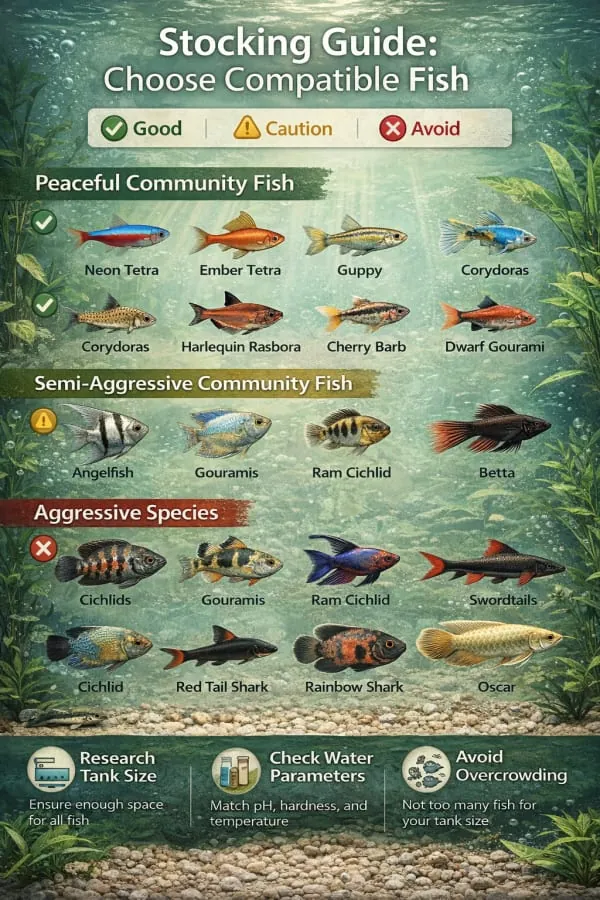
Choose compatible fish: school sizes, swimming zones, aggression, temperature and hardness matching, and honest bioload math for a peaceful community.
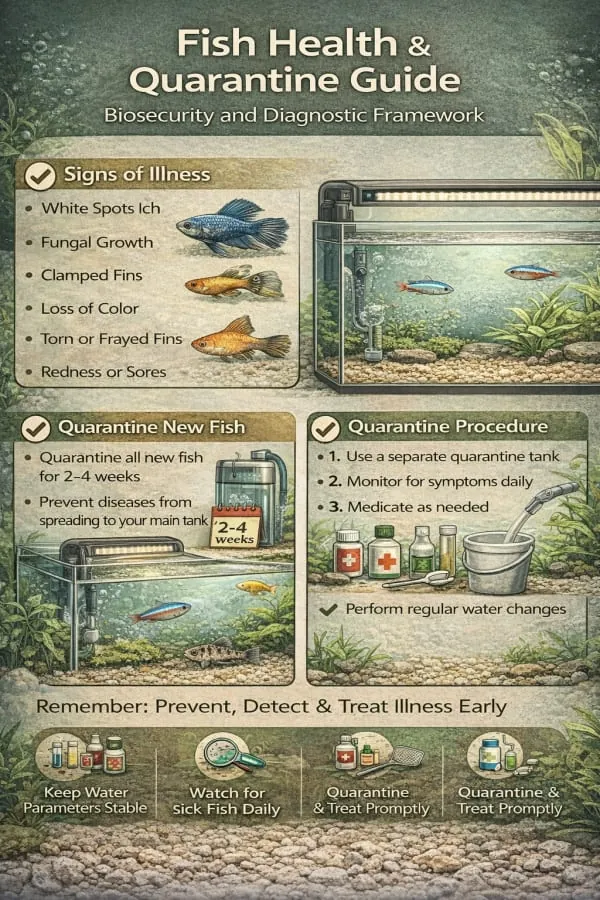
Quarantine new fish, spot the early warning signs, and treat disease without wrecking your tank. A practical freshwater fish health guide.
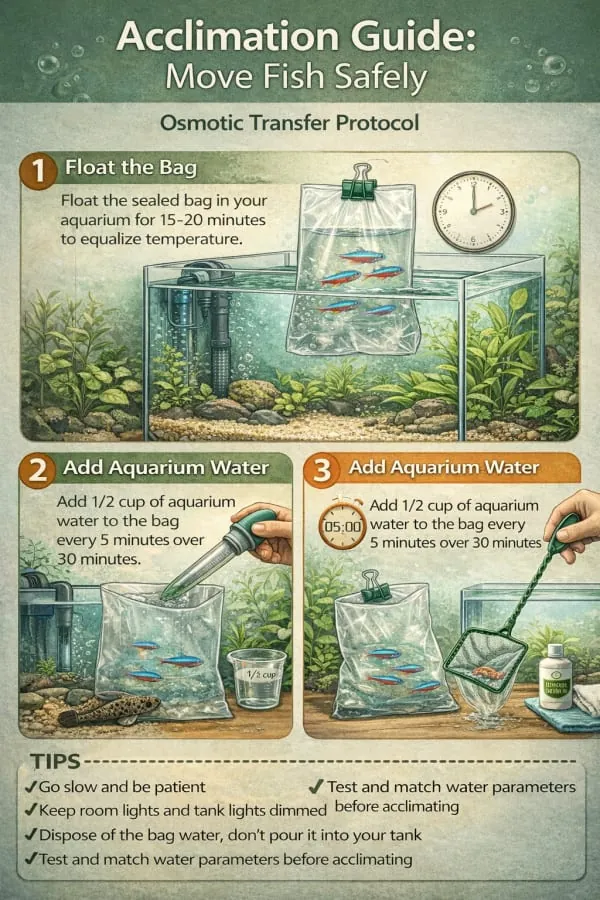
Acclimate new fish, shrimp, and coral safely: temperature floating, drip acclimation, plop-and-drop for shipped livestock, and the first 24 hours.
Keeping OEBT Shrimp?
AquaLens identifies your fish and plants from a photo, tracks water chemistry, and flags health issues early — free on iOS and Android.