Sulawesi Yellow Nose Shrimp Care Guide
Caridina spinata · Freshwater Invert
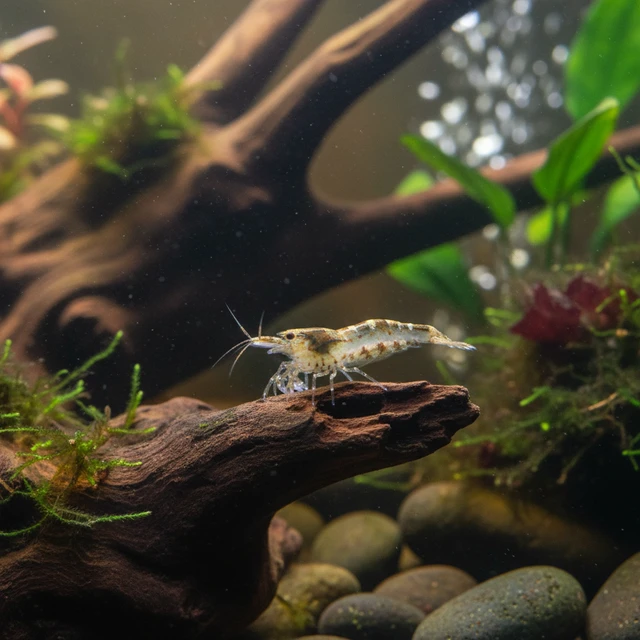
What Sulawesi Yellow Nose Shrimp look like
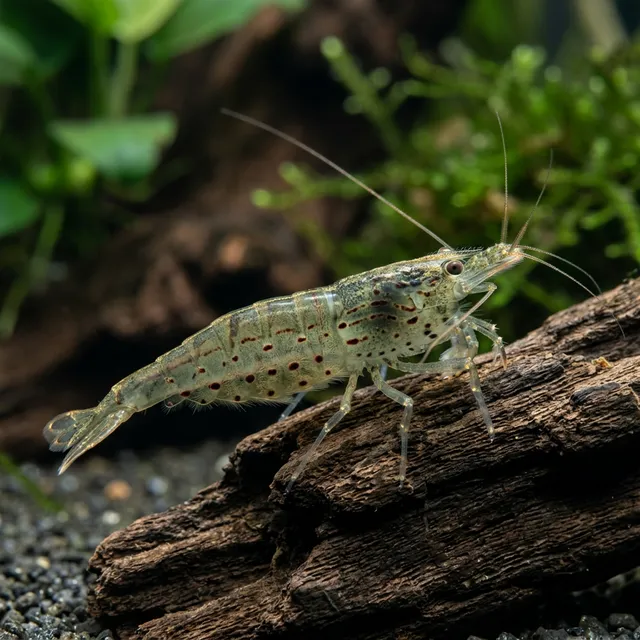
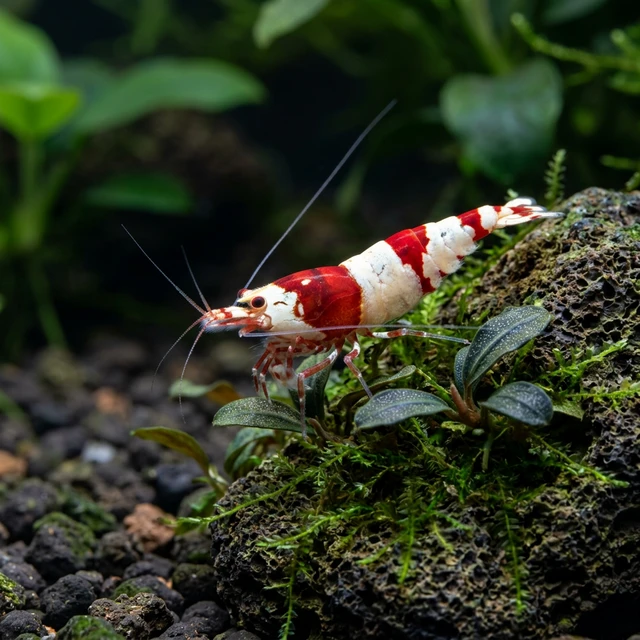
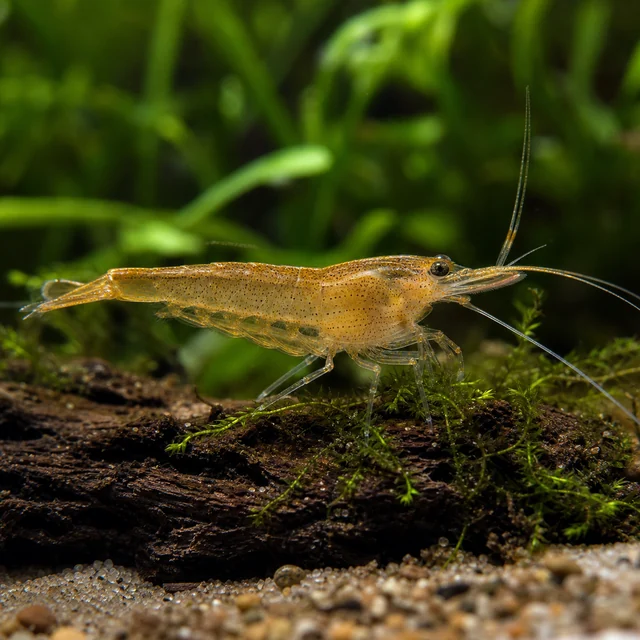
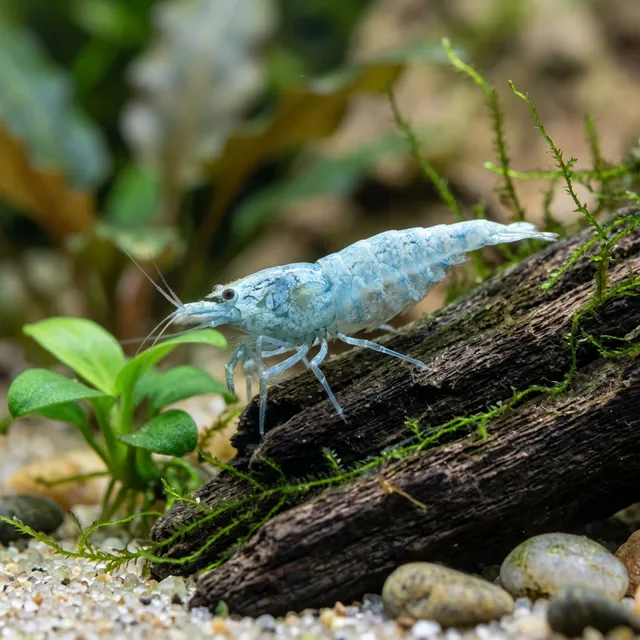
Caridina spinata, commonly known as the Sulawesi Yellow Nose Shrimp, exhibits a diminutive size, reaching a maximum adult length of approximately 3 to 10 centimeters. This species is characterized by its translucent body adorned with subtle markings, which serve as a camouflage against its natural habitat. A distinctive feature is the bright yellow-orange coloration on the rostrum, which acts as a key identifier for this species. The shrimp possesses a laterally compressed body, typical of the Atyidae family, and exhibits well-developed antennae that aid in navigation and foraging. The presence of a robust exoskeleton provides a degree of protection against predation, while the absence of significant sexual dimorphism makes it challenging to differentiate between males and females based solely on external characteristics. The shrimp's appendages include elongated walking legs and a fan-like tail, which facilitate agile movement in the aquatic environment.
Behavior & temperament
In terms of behavior, Caridina spinata is primarily a benthic dweller, often found in the substrate of freshwater environments in Sulawesi. This species tends to exhibit a semi-social behavior, forming loose aggregations rather than strict schools, which allows for both social interaction and territoriality. The Sulawesi Yellow Nose Shrimp is known for its peaceful temperament, making it a suitable inhabitant for community tanks. Breeding occurs through a unique reproductive strategy where females are egg scatterers, releasing fertilized eggs into the water column, which then develop into free-swimming larvae. Their activity levels are moderate, and they are often seen foraging for detritus and biofilm on surfaces, showcasing a primarily scavenging lifestyle.
Diet & feeding
In the wild, Caridina spinata is an omnivore, feeding on a varied diet that includes algae, biofilm, and detritus. In captivity, it requires a balanced diet that includes high-quality shrimp pellets, blanched vegetables, and occasional protein sources such as daphnia or brine shrimp to ensure optimal health and coloration.
Behind the name
The genus name 'Caridina' is derived from the Greek word 'karis', meaning 'shrimp', while the species name 'spinata' refers to the spiny or pointed features that may be associated with its morphology.
Plan your tank
Check the numbers before you buy: tank volume, a stocking plan, cycle progress, water changes, and your ongoing care routine.
Keep reading

Choose compatible fish: school sizes, swimming zones, aggression, temperature and hardness matching, and honest bioload math for a peaceful community.
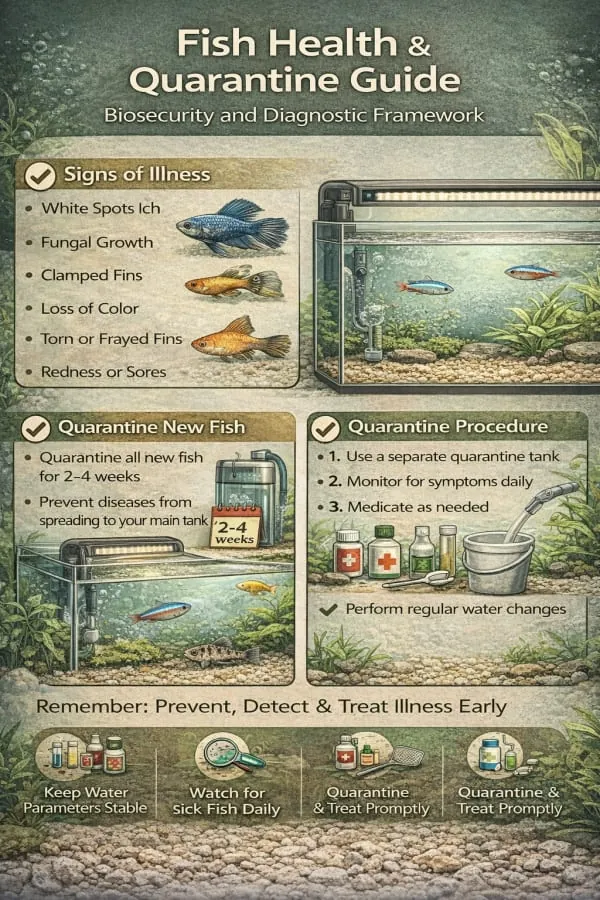
Quarantine new fish, spot the early warning signs, and treat disease without wrecking your tank. A practical freshwater fish health guide.

Acclimate new fish, shrimp, and coral safely: temperature floating, drip acclimation, plop-and-drop for shipped livestock, and the first 24 hours.
Keeping Sulawesi Yellow Nose Shrimp?
AquaLens identifies your fish and plants from a photo, tracks water chemistry, and flags health issues early — free on iOS and Android.