Speckled Butterfly Loach Care Guide
Beaufortia polylepis · Freshwater Fish
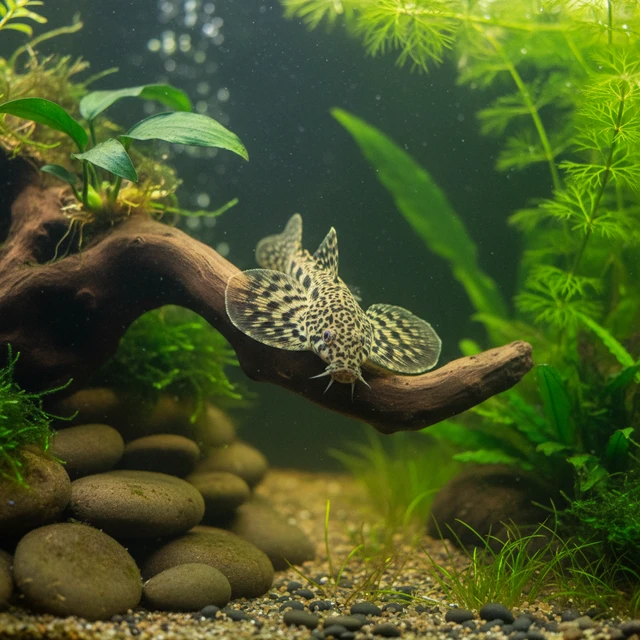
What Speckled Butterfly Loach look like
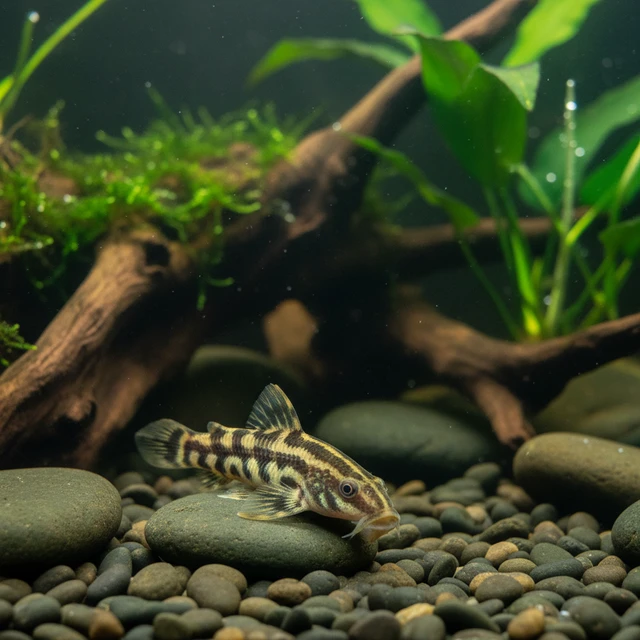
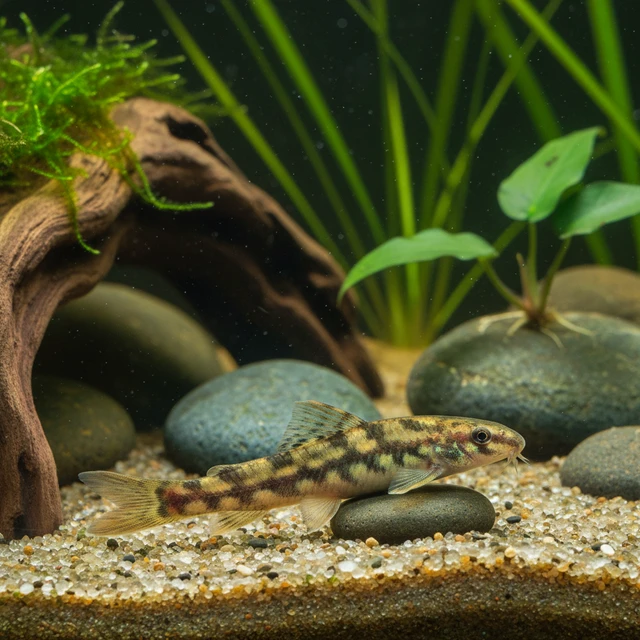
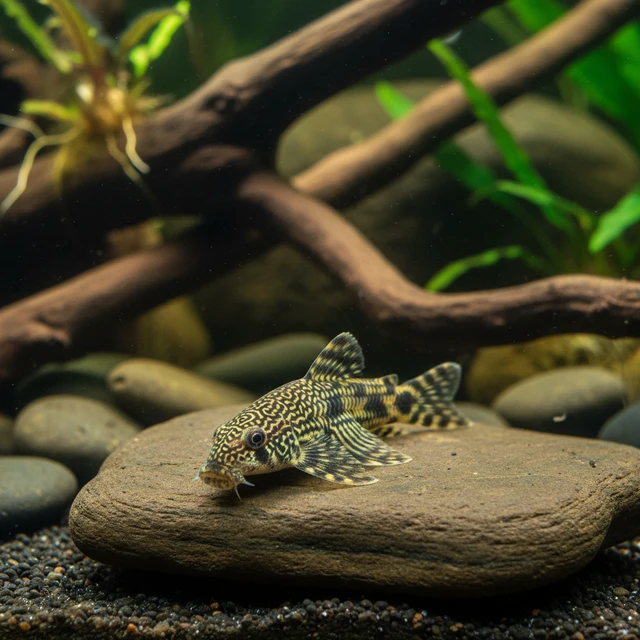
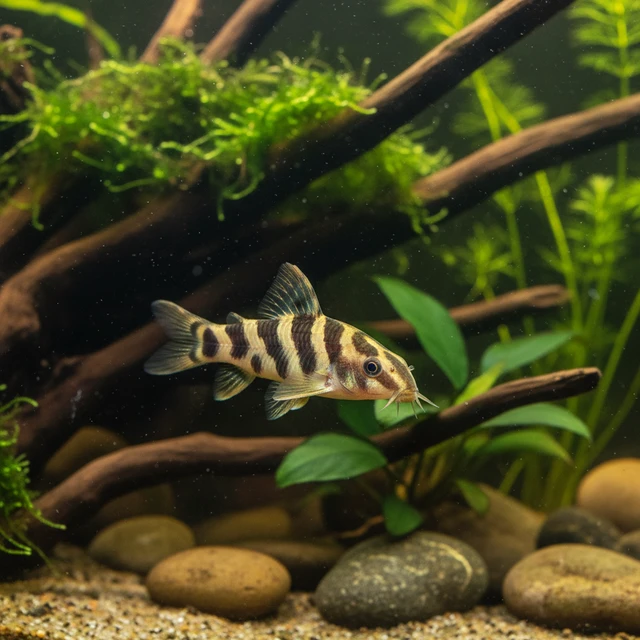
Beaufortia polylepis, commonly known as the Speckled Butterfly Loach, exhibits a distinctive morphology characterized by its broad, laterally compressed body, which resembles a butterfly when viewed from above. This species typically reaches a maximum adult size of approximately 3 to 4 inches, although some individuals may grow slightly larger under optimal conditions. Sexual dimorphism is subtle, with males generally being slightly smaller and exhibiting more vibrant coloration during breeding periods. The species possesses fused pelvic fins that form a specialized suction disc, allowing it to adhere to rocky substrates in fast-flowing waters. The dorsal fin is elongated and continuous, contributing to its streamlined shape, while the body is adorned with a striking speckled pattern of dark spots against a lighter background, enhancing its camouflage among the pebbles and stones of its natural habitat. Additionally, the presence of a lateral line system aids in detecting water movements, which is crucial for navigation in turbulent environments.
Behavior & temperament
The Speckled Butterfly Loach is primarily a benthic species, often found clinging to the substrate in fast-flowing streams and rivers. It exhibits a social behavior typical of loaches, often forming small groups, though it can also be observed solitary. This species is not strictly hierarchical but does exhibit a loose social structure, with individuals often establishing territories during feeding. Breeding behavior involves egg scattering, with females releasing adhesive eggs onto suitable surfaces, which are then fertilized by males. The temperament of Beaufortia polylepis is generally peaceful, although it may display territorial aggression during breeding seasons or when confined in smaller spaces.
Diet & feeding
In the wild, the Speckled Butterfly Loach primarily feeds on algae, detritus, and small invertebrates, making it an obligate herbivore with a preference for high-quality spirulina and vegetable matter in captivity. It thrives on a varied diet that includes blanched vegetables and high-fiber flake foods formulated for herbivorous fish.
Behind the name
The genus name 'Beaufortia' is derived from the name of the British naval officer and hydrographer, Sir Francis Beaufort, while the species name 'polylepis' translates from Greek as 'many scales', referring to the species' scaled body.
Plan your tank
Check the numbers before you buy: tank volume, a stocking plan, cycle progress, water changes, and your ongoing care routine.
Keep reading
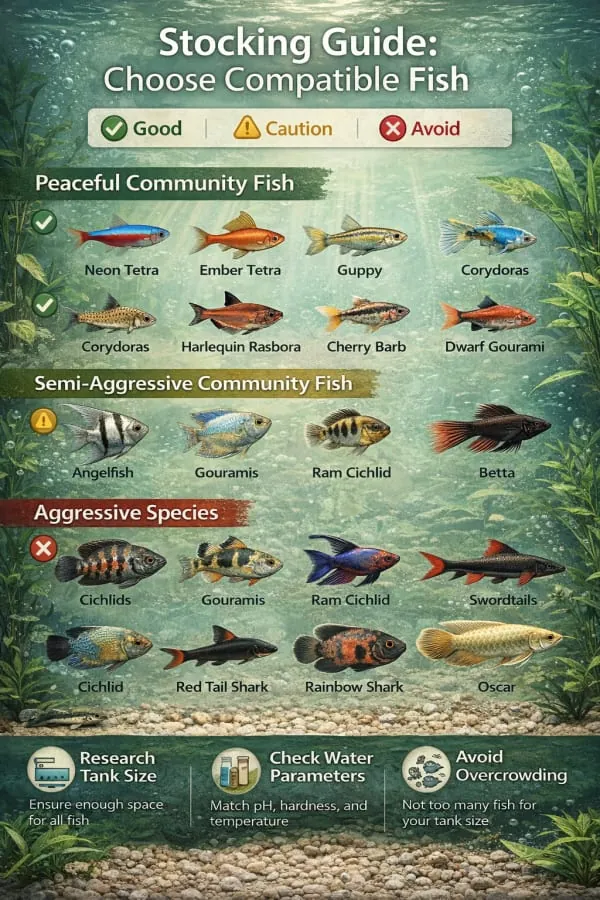
Choose compatible fish: school sizes, swimming zones, aggression, temperature and hardness matching, and honest bioload math for a peaceful community.

Quarantine new fish, spot the early warning signs, and treat disease without wrecking your tank. A practical freshwater fish health guide.

Acclimate new fish, shrimp, and coral safely: temperature floating, drip acclimation, plop-and-drop for shipped livestock, and the first 24 hours.
Keeping Speckled Butterfly Loach?
AquaLens identifies your fish and plants from a photo, tracks water chemistry, and flags health issues early — free on iOS and Android.