
Spotted Garden Eel Care Guide
Heteroconger hassi · Saltwater Eel
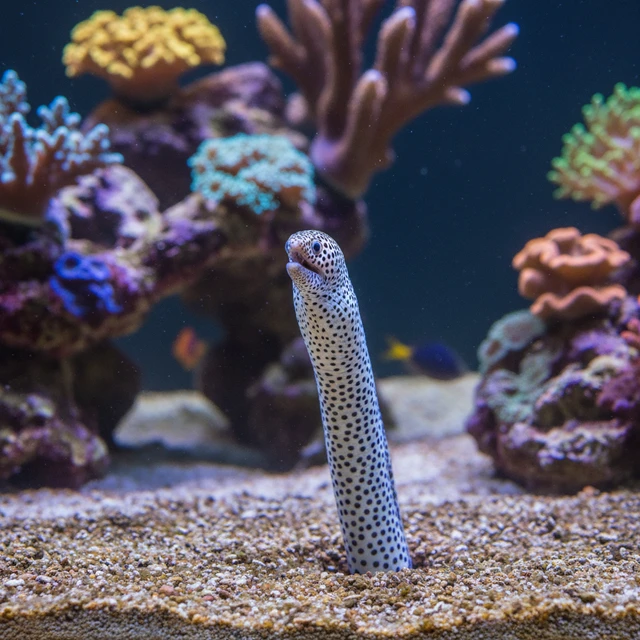
What Spotted Garden Eel look like
The Spotted Garden Eel, Heteroconger hassi, exhibits a slender, elongated body that can reach a maximum adult size of approximately 30 inches (76 cm). Its coloration is characterized by a pale yellow to light brown base with distinct dark brown to black spots scattered across its body, providing effective camouflage within its sandy habitat. The head is relatively small with a pointed snout, and the eyes are positioned dorsally, allowing for a wide field of vision. Notably, this species possesses a unique adaptation in its dorsal fin, which runs along the length of the body and is continuous with the caudal fin, enhancing its streamlined shape for burrowing. Sexual dimorphism is minimal, though females may exhibit slightly larger body sizes during breeding seasons. Defensive adaptations include the ability to quickly retreat into burrows when threatened, utilizing its elongated body to navigate through the substrate.
Behavior & temperament
The Spotted Garden Eel is a social species that often forms large colonies, exhibiting a clear social hierarchy within these groups. They are primarily found in sandy substrates where they maintain individual burrows, typically protruding only their heads to feed and observe their surroundings. Breeding behavior involves complex courtship displays, where males may engage in ritualistic movements to attract females. Their temperament is generally docile, but they can exhibit territorial aggression towards intruders within their burrow vicinity. Feeding behavior is predominantly benthic, as they extend their heads out of their burrows to capture zooplankton and small invertebrates that drift by, showcasing a unique feeding strategy that minimizes exposure to predators.
Diet & feeding
In the wild, the Spotted Garden Eel primarily feeds on small zooplankton and detritus. In captivity, they require a diet rich in high-quality frozen or live foods such as brine shrimp, mysis shrimp, and finely chopped seafood to ensure optimal health.
Behind the name
The genus name 'Heteroconger' derives from the Greek words 'heteros' meaning 'different' and 'conger' referring to eels, indicating a distinction from typical conger eels. The species name 'hassi' is likely a tribute to a person or entity associated with its discovery or study.
Plan your tank
Check the numbers before you buy: tank volume, salinity, salt mix, water changes, and your ongoing care routine. Keeping reef? Start from the Saltwater & Reef hub.
Keep reading
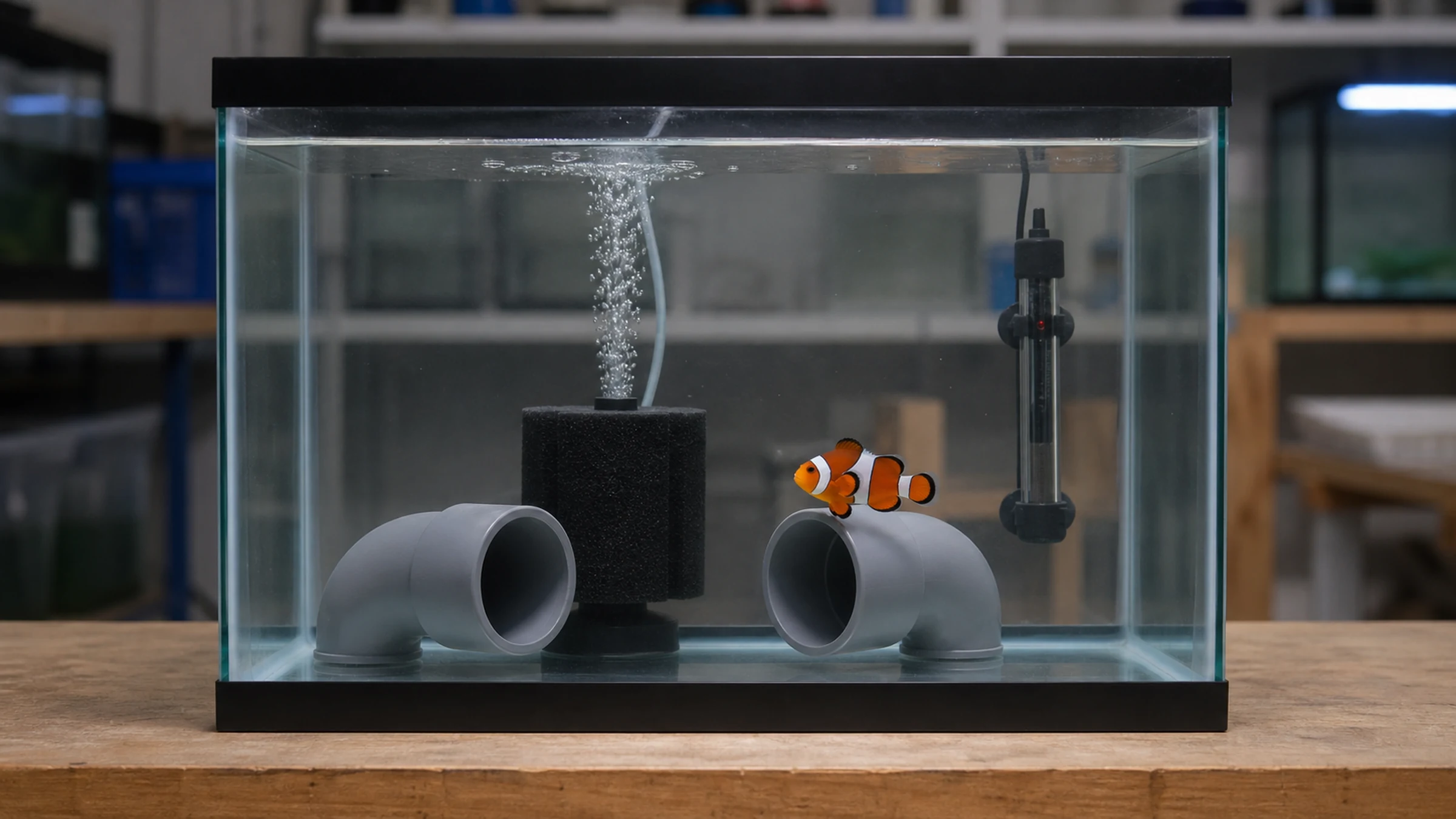
How to quarantine new saltwater fish against marine ich, velvet, and brooklynella: the QT tank, treatments, timelines, and the buy-clean shortcut.

What every reef parameter means and where to keep it: salinity, temperature, pH, alkalinity, calcium, magnesium, nitrate, and phosphate.

Choose compatible fish: school sizes, swimming zones, aggression, temperature and hardness matching, and honest bioload math for a peaceful community.
Keeping Spotted Garden Eel?
AquaLens identifies your fish and plants from a photo, tracks water chemistry, and flags health issues early — free on iOS and Android.