Tiger Teddy Care Guide
Neoheterandria elegans · Freshwater Fish

What Tiger Teddy look like
Neoheterandria elegans, commonly known as the Tiger Teddy, exhibits a diminutive and laterally compressed body shape characteristic of micro livebearers. Adults reach a maximum size of approximately 5-15 mm, with males typically being smaller than females, showcasing sexual dimorphism where males are more vibrantly colored and possess elongated fins. The species is adorned with a striking golden-orange to brown base coloration, heavily marked with sharp, dense black vertical tiger stripes that run along the entire lateral line, providing excellent camouflage among aquatic vegetation. Notable morphological features include a small, rounded head, a well-defined adipose fin, and a terminal mouth adapted for surface feeding. The presence of a lateral line system aids in detecting water movements, enhancing their ability to navigate their environment and evade predators.
Behavior & temperament
The Tiger Teddy is a social fish that exhibits a tendency to form loose aggregations, although it is not an obligate schooler. It primarily inhabits the upper to mid-water column, often dwelling near the surface where it can easily access food. Breeding behavior is characterized by viviparity, with females giving birth to live young rather than laying eggs. This species displays a generally peaceful temperament, but males may exhibit territorial behaviors during breeding seasons, leading to mild aggression towards each other. Their social hierarchy is relatively fluid, with dominance hierarchies established during mating displays.
Diet & feeding
In the wild, the Tiger Teddy is an omnivore, feeding on a diet that includes small invertebrates, algae, and detritus. In captivity, it thrives on a varied diet of high-quality flake food, micro-pellets, and live or frozen foods such as daphnia and brine shrimp to ensure optimal health and coloration.
Behind the name
Neoheterandria (new different male); elegans (elegant).
Plan your tank
Check the numbers before you buy: tank volume, a stocking plan, cycle progress, water changes, and your ongoing care routine.
Keep reading

Choose compatible fish: school sizes, swimming zones, aggression, temperature and hardness matching, and honest bioload math for a peaceful community.
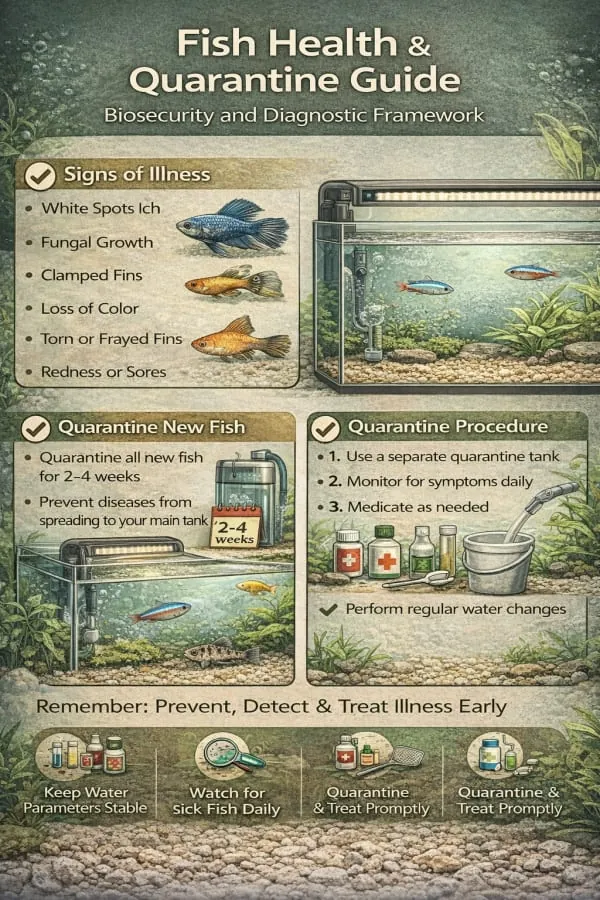
Quarantine new fish, spot the early warning signs, and treat disease without wrecking your tank. A practical freshwater fish health guide.
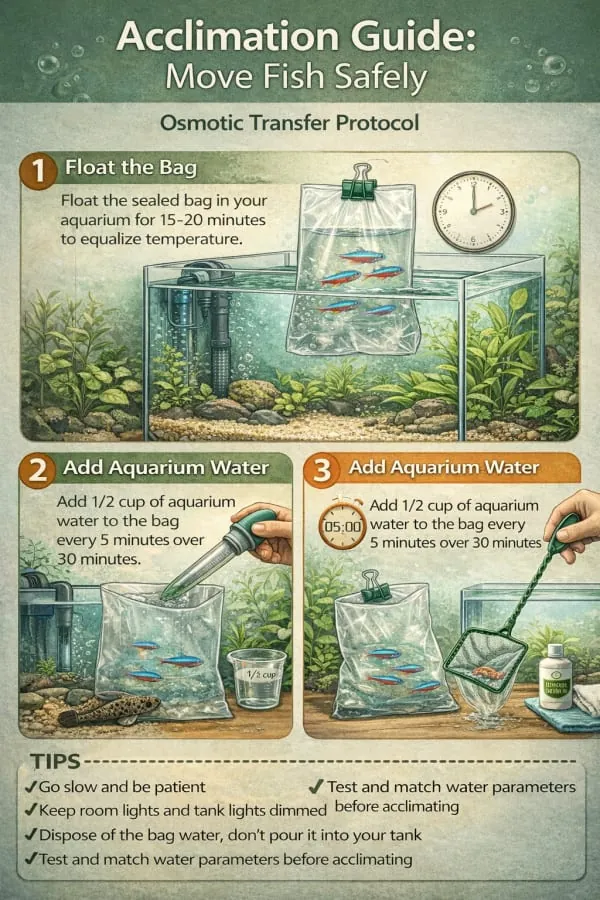
Acclimate new fish, shrimp, and coral safely: temperature floating, drip acclimation, plop-and-drop for shipped livestock, and the first 24 hours.
Keeping Tiger Teddy?
AquaLens identifies your fish and plants from a photo, tracks water chemistry, and flags health issues early — free on iOS and Android.