Italian Vallisneria Care Guide
Vallisneria spiralis · Freshwater Plant
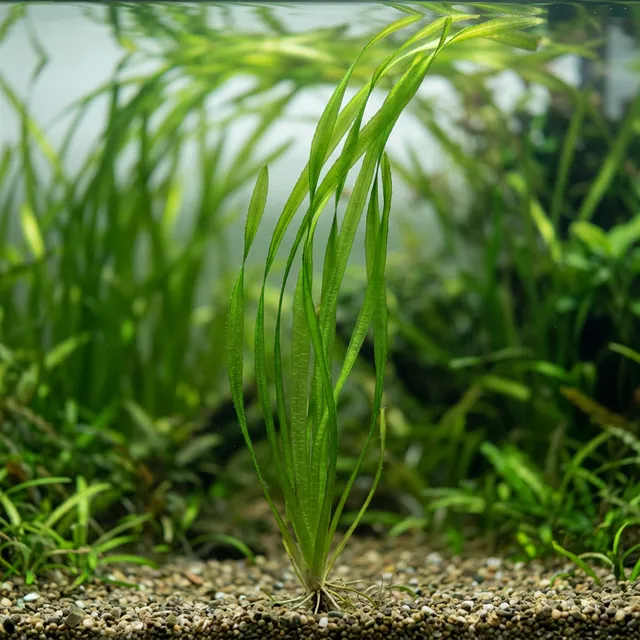
What Italian Vallisneria look like
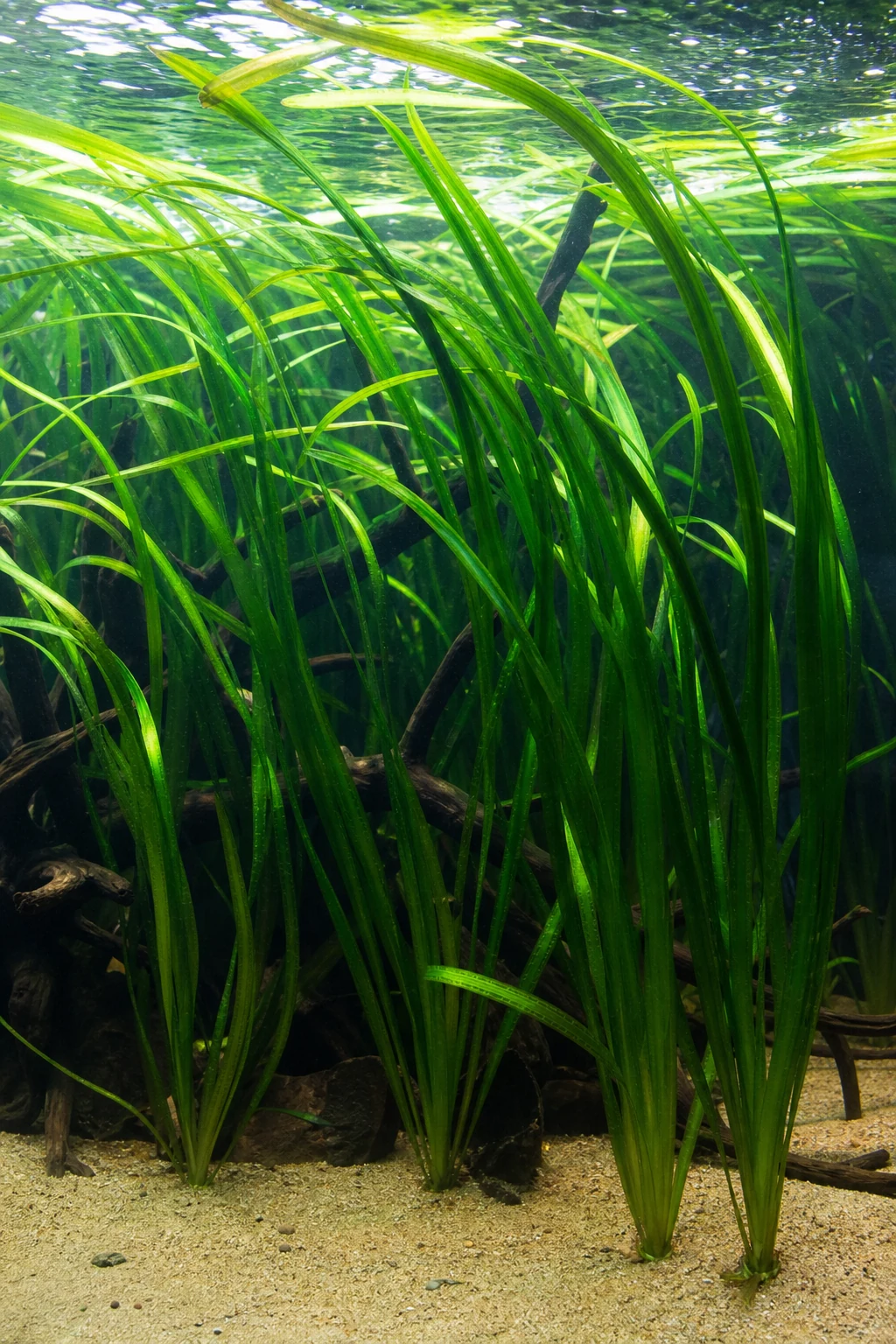
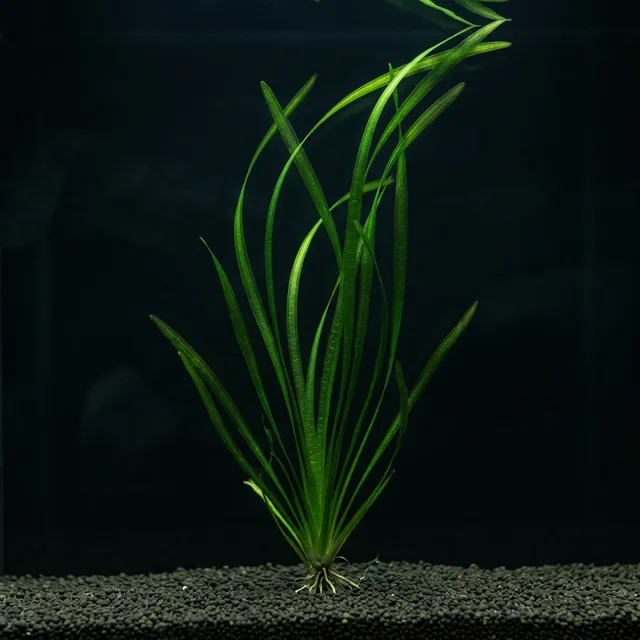
Vallisneria spiralis, commonly known as Italian Vallisneria, exhibits a robust morphology characterized by long, ribbon-like leaves that can reach lengths of 4 to 20 feet in optimal conditions. The leaves are typically lanceolate, with a smooth, glossy surface and a bright green coloration, allowing them to effectively capture sunlight for photosynthesis. This aquatic plant is rooted in substrate but can exhibit a floating growth habit, with its leaves extending towards the water's surface. A notable feature of Vallisneria spiralis is its ability to reproduce vegetatively through runners, which can form dense colonies. The plant lacks significant sexual dimorphism, as both male and female reproductive structures are found on the same plant, with flowers emerging above the water surface. The plant's defensive adaptations include its fibrous structure, which can deter herbivory, and its ability to thrive in a range of water conditions, making it a resilient species in various aquatic environments.
Behavior & temperament
Vallisneria spiralis typically dwells in the shallow waters of lakes, ponds, and slow-moving streams, often forming extensive beds that provide habitat for various aquatic organisms. It is not a solitary species; rather, it can form large colonies, creating a structured habitat that supports a diverse community of fish and invertebrates. The plant exhibits a benthic growth habit, anchoring itself in the substrate while allowing its leaves to float towards the surface. Breeding occurs through the release of flowers that float to the surface, where pollination can occur, followed by the production of seeds. Vallisneria spiralis is generally non-aggressive and serves as an important ecological component, providing shelter and food for aquatic fauna.
Diet & feeding
As a photosynthetic aquatic plant, Vallisneria spiralis primarily relies on sunlight to produce energy through photosynthesis. In captivity, it requires a nutrient-rich substrate and adequate lighting to thrive, with occasional supplementation of liquid fertilizers to promote healthy growth.
Behind the name
The genus name 'Vallisneria' is derived from the Latin 'vallis' meaning 'valley', and 'spiralis' from Latin meaning 'spiral', referring to the plant's coiling leaves and its natural habitat in lowland areas.
Plan your tank
Check the numbers before you buy: tank volume, a stocking plan, cycle progress, water changes, and your ongoing care routine.
Keep reading
Diagnose aquarium plant deficiencies by leaf age and symptom: yellowing, pinholes, twisting, and stunting. Read the pattern, then fix it safely.

PAR-first planted tank lighting: choose intensity by what you grow, set photoperiod and spectrum, kill shadows, and hold algae back without overspending.

Aquarium CO₂ injection made safe: how carbon, light, and nutrients balance, which system to buy, and how to dial it in without gassing your fish.
Keeping Italian Vallisneria?
AquaLens identifies your fish and plants from a photo, tracks water chemistry, and flags health issues early — free on iOS and Android.