Guppy Grass Care Guide
Najas guadalupensis · Freshwater Plant
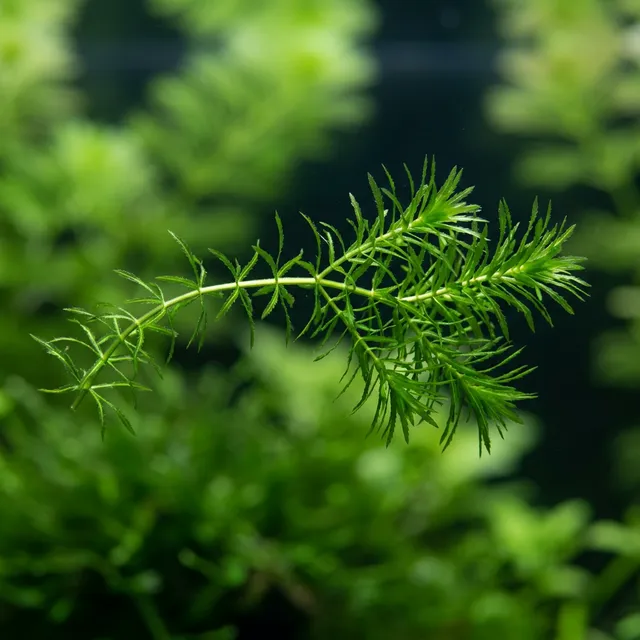
What Guppy Grass look like
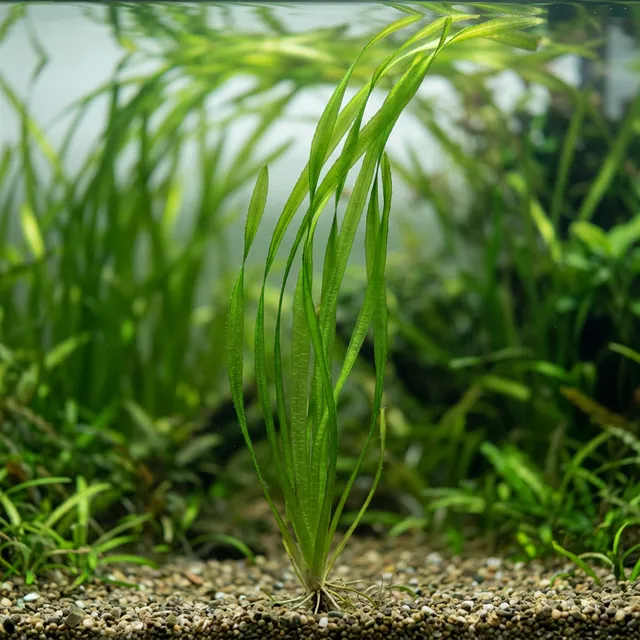
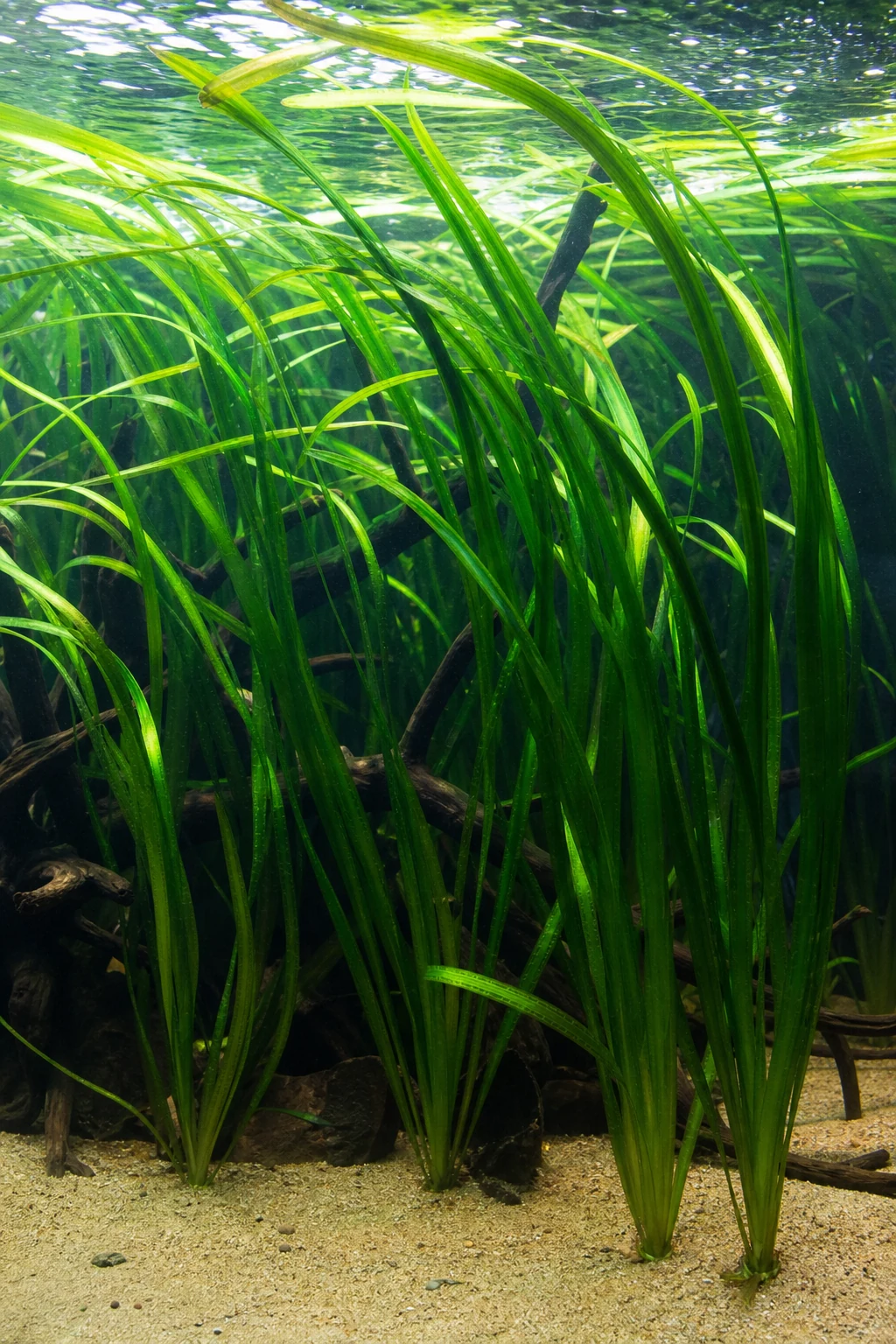
Najas guadalupensis, commonly known as Guppy Grass, exhibits a slender, elongated morphology characterized by its finely dissected, filamentous leaves that can reach lengths of 5 to 15 inches. The leaves are typically arranged in whorls around the stem, giving the plant a bushy appearance. The stems are flexible and can root in the substrate, allowing for both submerged and emergent growth. This species lacks significant sexual dimorphism, as both male and female plants exhibit similar morphological traits. A notable feature is the presence of small, inconspicuous flowers that emerge above the water surface, which are crucial for reproduction. The plant also possesses adaptations such as a high tolerance for varying water conditions, making it resilient in diverse aquatic environments.
Behavior & temperament
Guppy Grass is primarily a submerged aquatic plant that thrives in shallow waters, often found in lakes, ponds, and slow-moving streams. It does not exhibit a social hierarchy as it is a plant; however, it can form dense mats that provide shelter and breeding grounds for various aquatic organisms. The plant's growth habit allows it to occupy the upper layers of the water column, creating a habitat for fish and invertebrates. In terms of reproduction, Najas guadalupensis is known to produce small flowers that can be pollinated by water currents or insects, leading to the formation of seeds that can disperse in the water. Its growth is generally rapid, making it an effective contributor to the aquatic ecosystem.
Diet & feeding
As an aquatic plant, Najas guadalupensis primarily utilizes photosynthesis for energy, absorbing nutrients from the water and substrate. In captivity, it thrives in nutrient-rich substrates and benefits from the addition of fertilizers that provide essential macronutrients and micronutrients to support its growth.
Behind the name
Najas (from Latin, meaning 'water plant'); guadalupensis (referring to the Guadalupe River in Texas, where the species was first described).
Plan your tank
Check the numbers before you buy: tank volume, a stocking plan, cycle progress, water changes, and your ongoing care routine.
Keep reading
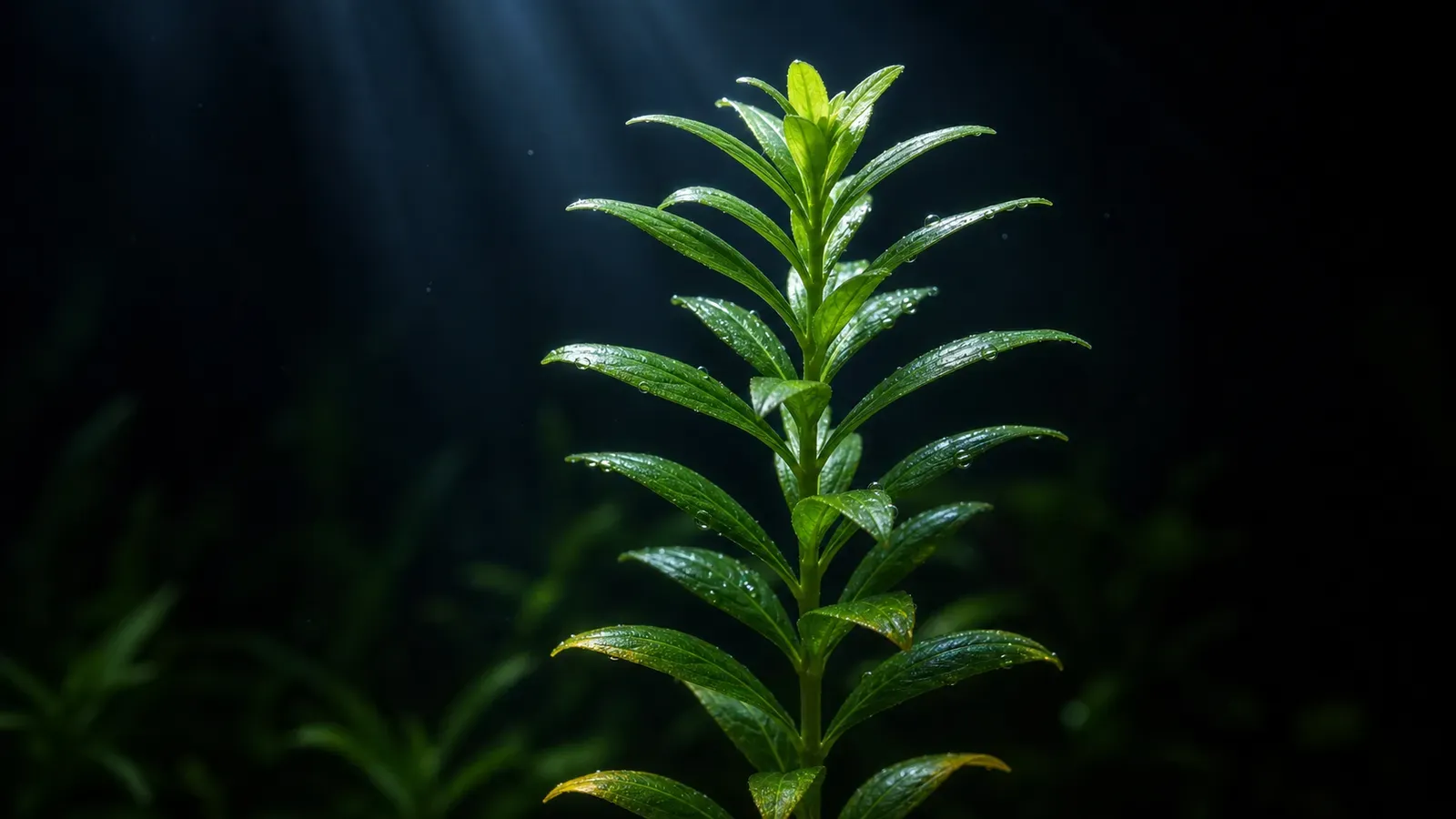
Diagnose aquarium plant deficiencies by leaf age and symptom: yellowing, pinholes, twisting, and stunting. Read the pattern, then fix it safely.
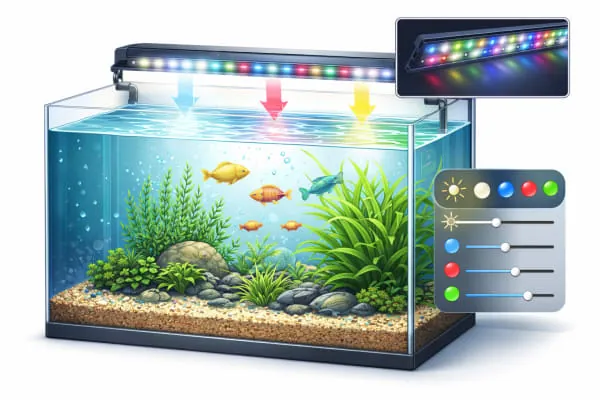
PAR-first planted tank lighting: choose intensity by what you grow, set photoperiod and spectrum, kill shadows, and hold algae back without overspending.
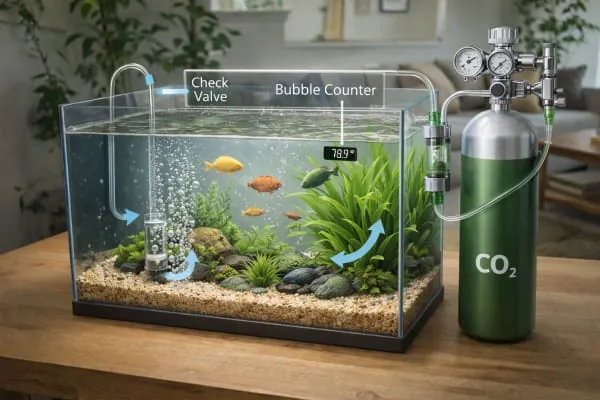
Aquarium CO₂ injection made safe: how carbon, light, and nutrients balance, which system to buy, and how to dial it in without gassing your fish.
Keeping Guppy Grass?
AquaLens identifies your fish and plants from a photo, tracks water chemistry, and flags health issues early — free on iOS and Android.