Blyxa Japonica Care Guide
Blyxa japonica · Freshwater Plant
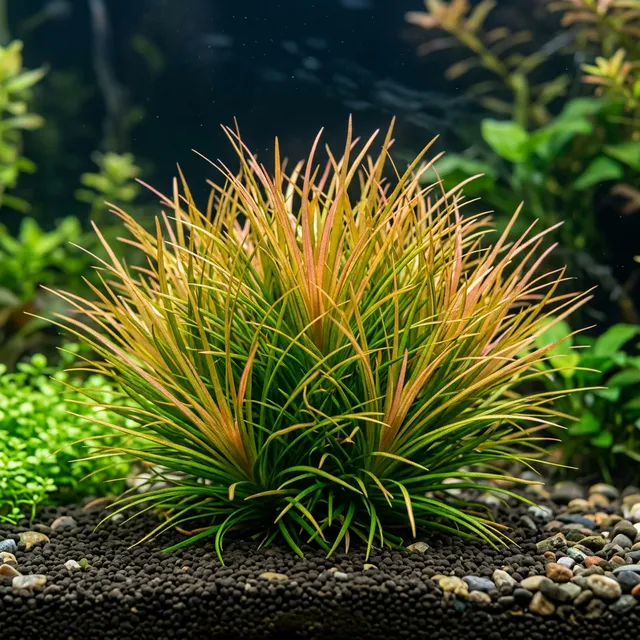
What Blyxa Japonica look like
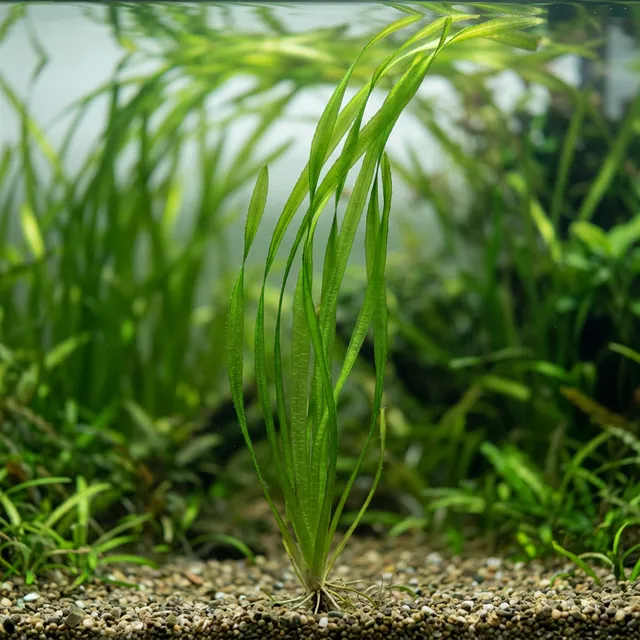
Blyxa japonica exhibits a distinctive morphology characterized by its dense, fountain-like clusters of slender, grass-like leaves that can reach a maximum height of 10 inches (25 cm). The leaves are thin, pointed, and exhibit a striking coloration, often blushing with a golden or orange-red tint at their tips, particularly under optimal lighting conditions. This aquatic plant has a robust root system that anchors it securely in the substrate, while its stems are typically erect and can be laterally compressed at the base. Blyxa japonica lacks significant sexual dimorphism, as both male and female plants exhibit similar physical traits. Its unique morphological adaptations include a high surface area for photosynthesis and the ability to thrive in a range of water conditions, making it a versatile addition to aquascapes.
Behavior & temperament
Blyxa japonica is primarily a midground plant that thrives in still or slow-moving waters, often found in shallow regions where it can receive ample light. It does not exhibit hierarchical social structures as seen in animal species, but rather forms dense colonies that can provide shelter for small aquatic fauna. This plant is not a free-floating species; instead, it is rooted in the substrate, allowing it to engage in photosynthesis effectively. Its breeding behavior is not applicable in the traditional sense, as it reproduces vegetatively through runners rather than through seeds. Blyxa japonica is generally non-aggressive and can coexist harmoniously with other aquatic plants and fish species.
Diet & feeding
As a photosynthetic aquatic plant, Blyxa japonica relies primarily on light and carbon dioxide for its nutritional needs, utilizing the process of photosynthesis to produce energy. In captivity, it benefits from a nutrient-rich substrate and may require supplemental fertilization to promote optimal growth and coloration.
Behind the name
Blyxa (from Greek 'blyxa', meaning 'to grow in water'); japonica (Latin for 'of Japan', indicating its geographic origin).
Plan your tank
Check the numbers before you buy: tank volume, a stocking plan, cycle progress, water changes, and your ongoing care routine.
Keep reading
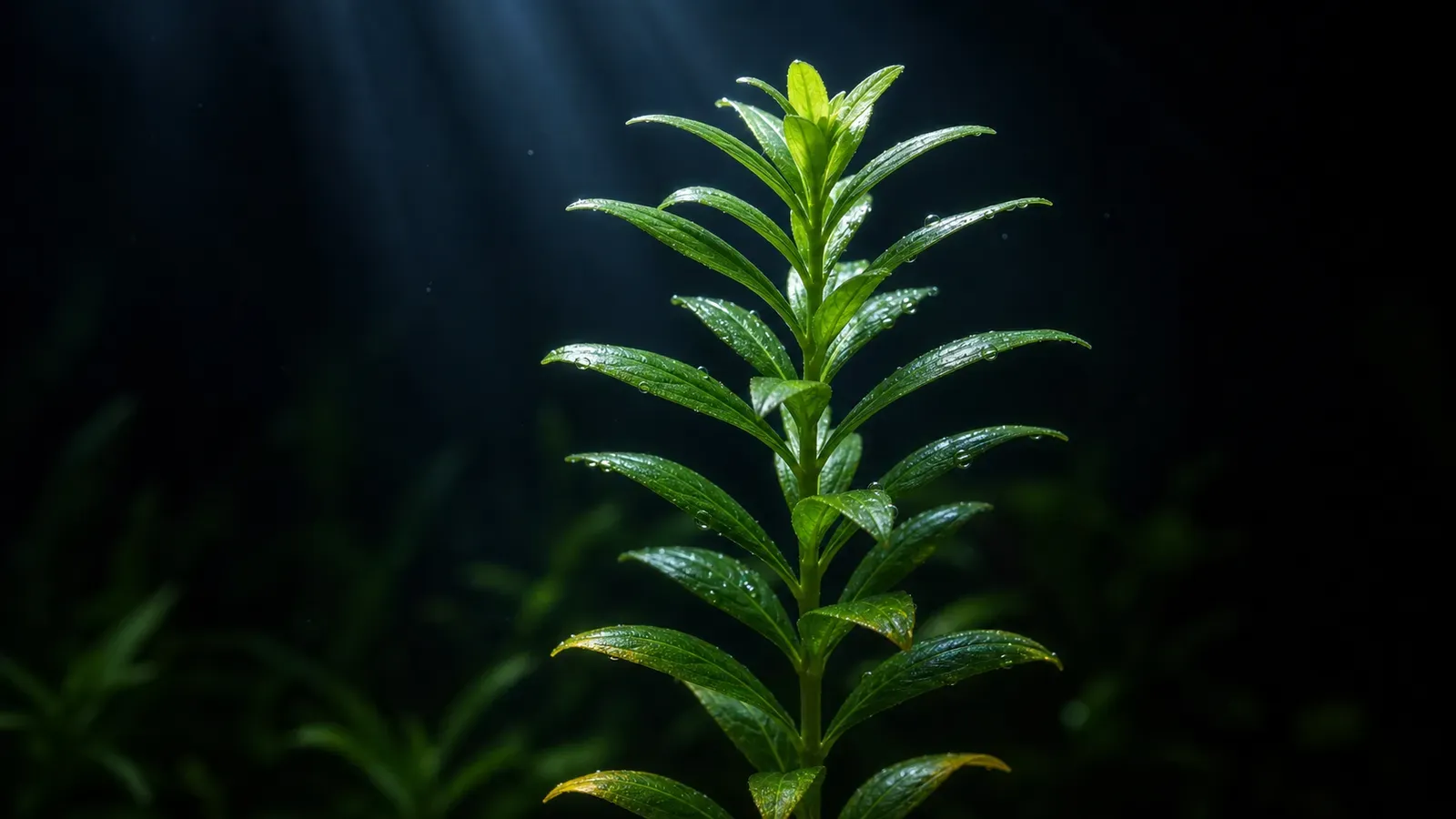
Diagnose aquarium plant deficiencies by leaf age and symptom: yellowing, pinholes, twisting, and stunting. Read the pattern, then fix it safely.
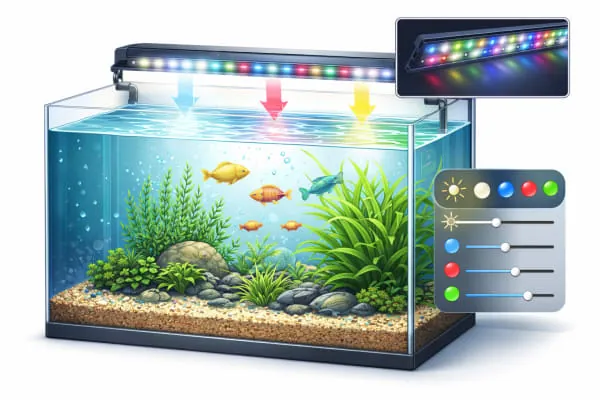
PAR-first planted tank lighting: choose intensity by what you grow, set photoperiod and spectrum, kill shadows, and hold algae back without overspending.

Aquarium CO₂ injection made safe: how carbon, light, and nutrients balance, which system to buy, and how to dial it in without gassing your fish.
Keeping Blyxa Japonica?
AquaLens identifies your fish and plants from a photo, tracks water chemistry, and flags health issues early — free on iOS and Android.