Brazilian Micro Crab Care Guide
Aegla platensis · Freshwater Invert
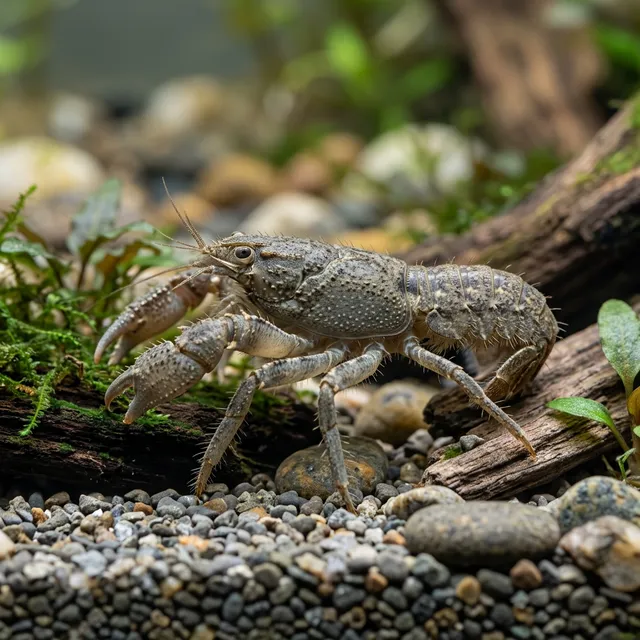
What Brazilian Micro Crab look like
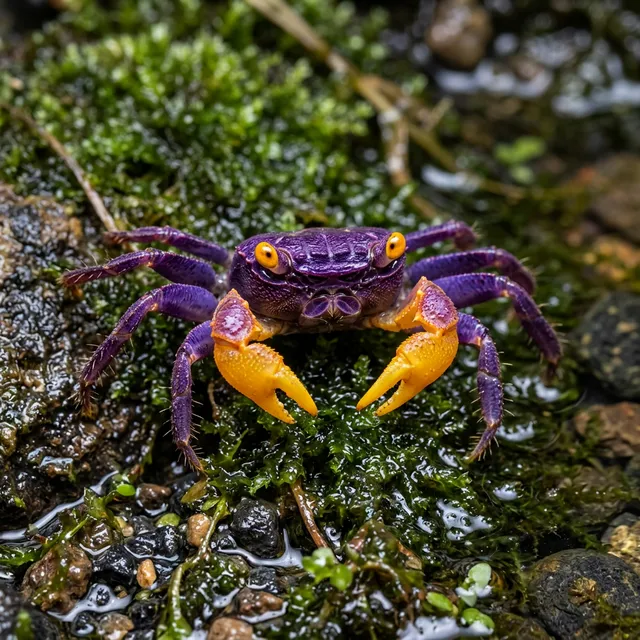
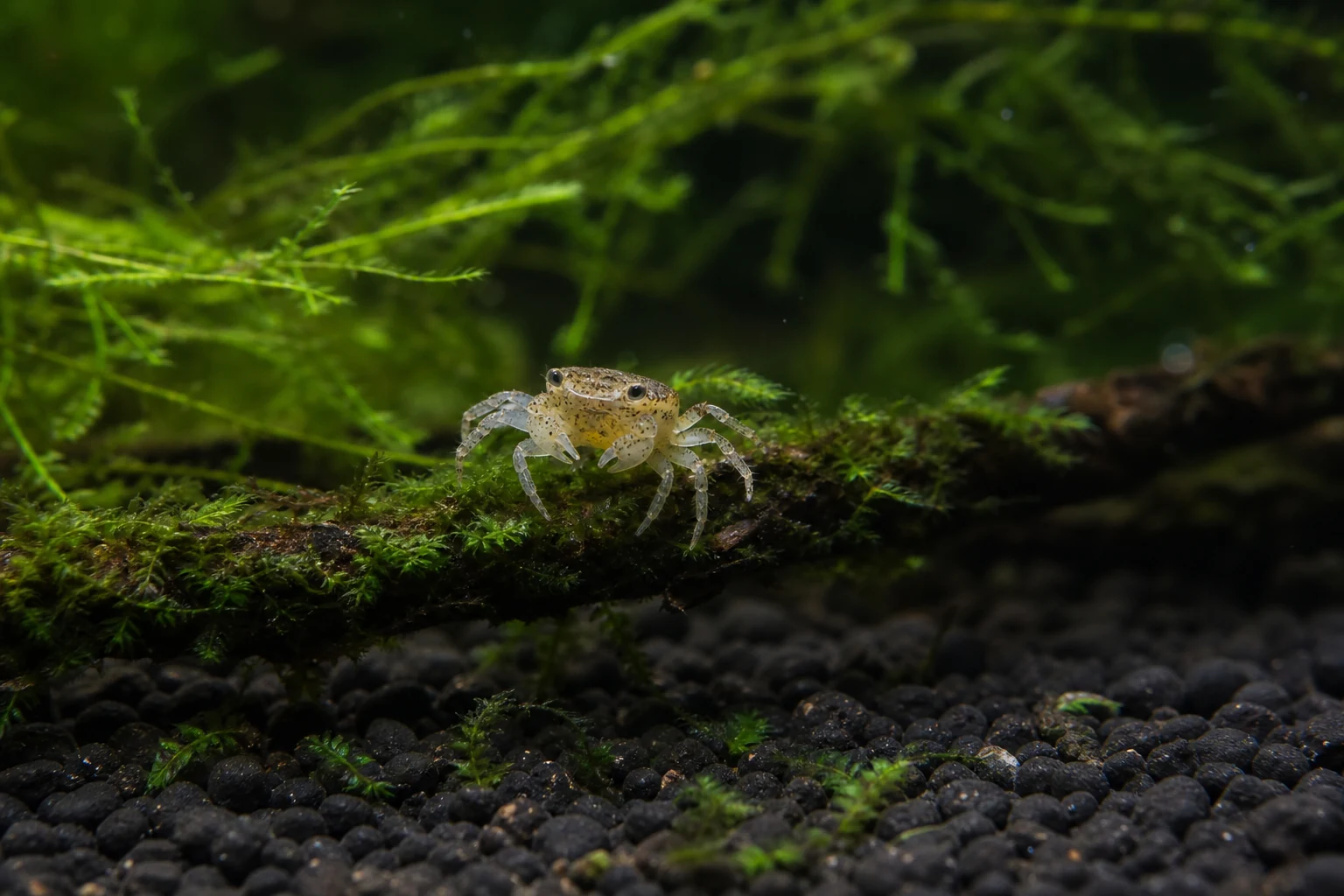
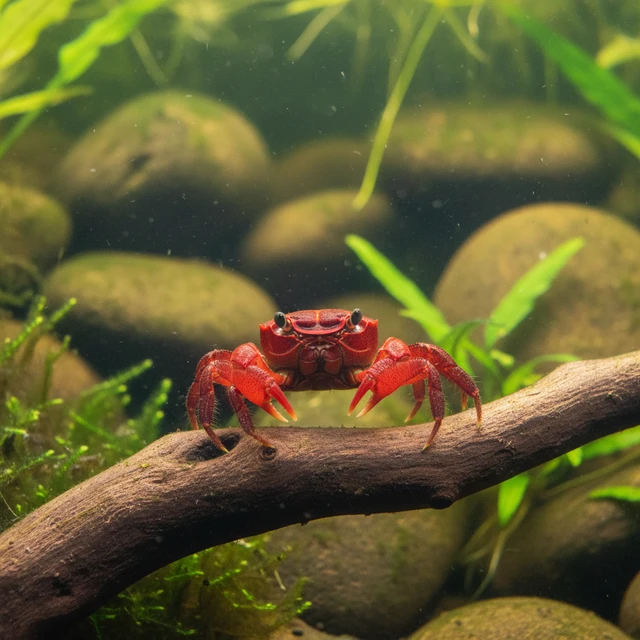
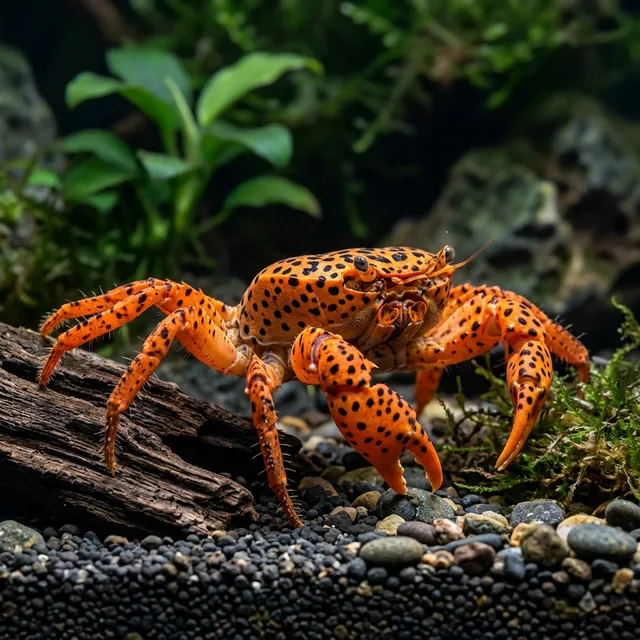
Aegla platensis, commonly known as the Brazilian Micro Crab, exhibits a distinctive morphology characterized by a flattened, squat body that resembles a cross between a crab and a lobster, often referred to as a squat lobster. Adults can reach a maximum size of approximately 5 to 15 centimeters. The species displays sexual dimorphism, with males typically possessing larger and more robust claws compared to females, which are generally smaller and more streamlined. Defensive adaptations include a hard exoskeleton that provides protection against predation, as well as the ability to retreat into crevices or under rocks in their natural habitat. Unique morphological features include their pronounced pincers, which are crab-like, and a tucked-under, short lobster-like tail that aids in their benthic lifestyle. Their coloration ranges from grey to brown, providing effective camouflage against the substrate in their freshwater environments.
Behavior & temperament
Aegla platensis is primarily a benthic species, often found dwelling on the substrate of freshwater bodies in South America. They exhibit a solitary to semi-social behavior, occasionally forming loose aggregations in areas with abundant food resources. Their temperament is generally peaceful, although they can display territoriality, especially males during mating season. Breeding behavior involves egg scattering, with females carrying fertilized eggs under their abdomen until they hatch. This species is not an obligate schooler, preferring to forage individually while remaining vigilant for potential threats.
Diet & feeding
In the wild, Aegla platensis is an omnivore, feeding on detritus, algae, and small invertebrates. In captivity, they require a varied diet that includes high-quality sinking pellets, blanched vegetables, and occasional protein sources such as frozen or live foods.
Behind the name
Aegla (Greek origin; meaning 'to be bright or clear'); platensis (Latin origin; meaning 'flat' or 'broad').
Plan your tank
Check the numbers before you buy: tank volume, a stocking plan, cycle progress, water changes, and your ongoing care routine.
Keep reading
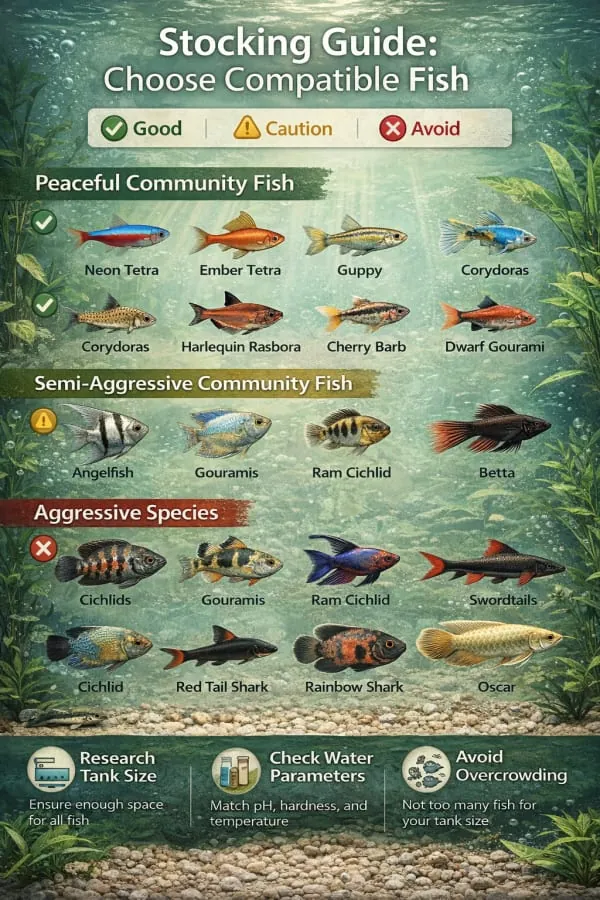
Choose compatible fish: school sizes, swimming zones, aggression, temperature and hardness matching, and honest bioload math for a peaceful community.
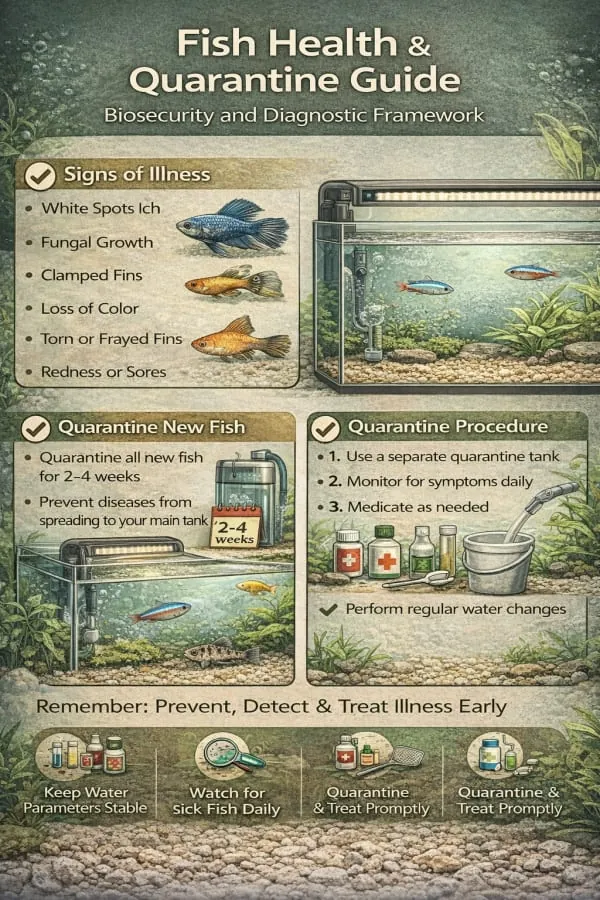
Quarantine new fish, spot the early warning signs, and treat disease without wrecking your tank. A practical freshwater fish health guide.
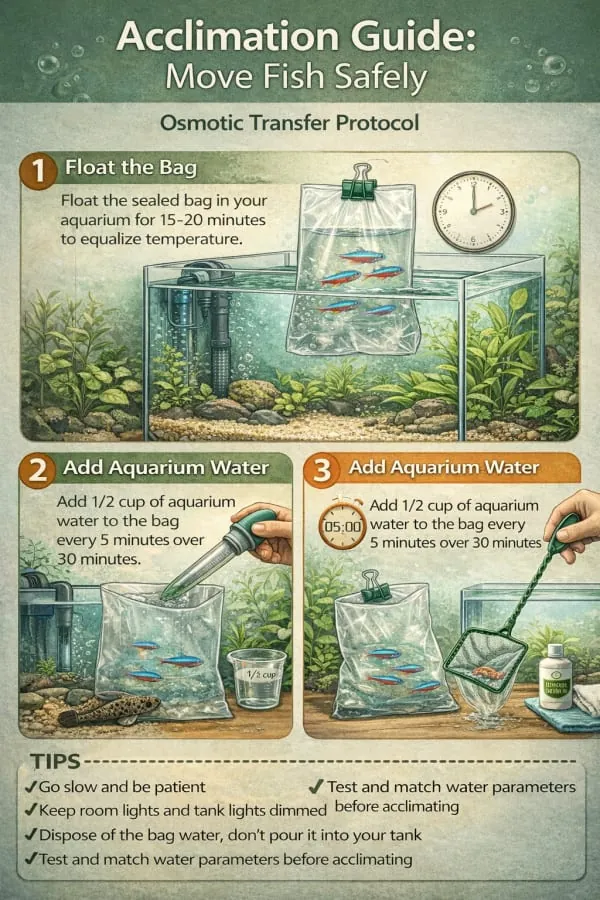
Acclimate new fish, shrimp, and coral safely: temperature floating, drip acclimation, plop-and-drop for shipped livestock, and the first 24 hours.
Keeping Brazilian Micro Crab?
AquaLens identifies your fish and plants from a photo, tracks water chemistry, and flags health issues early — free on iOS and Android.