
Butterfly Plecostomus L168 Care Guide
Dekeyseria brachyura · Freshwater Fish
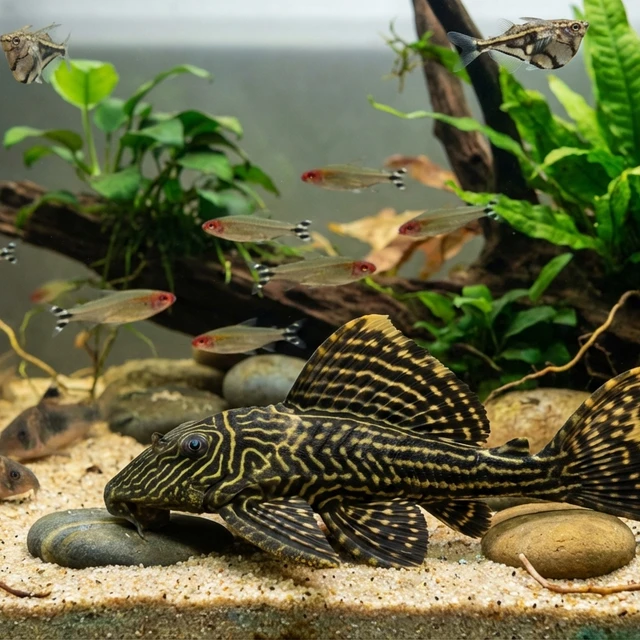
What Butterfly Plecostomus L168 look like
Dekeyseria brachyura, commonly known as the Butterfly Plecostomus L168, exhibits a medium-sized, laterally compressed body that can reach a maximum adult size of approximately 5 to 15 inches. The species is characterized by its dark body adorned with intricate lighter striped and spotted patterns, which create a visually striking butterfly-wing effect on its broad fins. This ornamental fin patterning is a distinctive feature that sets it apart from more uniform plecos. The fish possesses a robust, armored body and a specialized sucker mouth adapted for grazing on algae and detritus. Notably, the fins are broad and elaborately patterned, enhancing its defensive adaptations against predation. Sexual dimorphism is subtle, with males typically displaying more pronounced fin extensions and brighter coloration during breeding periods.
Behavior & temperament
The Butterfly Plecostomus L168 is primarily a benthic dweller, often found in the lower strata of freshwater habitats. It exhibits a semi-social behavior, where individuals may be seen in loose aggregations, although they are not obligate schoolers. This species is generally peaceful but can exhibit territoriality, particularly during breeding seasons. Breeding behavior involves egg scattering, where females lay adhesive eggs on flat surfaces, and males guard the nesting site. The temperament of this species is relatively calm, making it suitable for community tanks, provided that tank mates are not overly aggressive.
Diet & feeding
In the wild, the Butterfly Plecostomus L168 is an omnivore, primarily feeding on algae, detritus, and plant matter. In captivity, it requires a varied diet that includes high-quality sinking pellets, algae wafers, and occasional vegetable matter such as zucchini or spinach to maintain optimal health.
Behind the name
Dekeyseria (named in honor of the Belgian ichthyologist, Paul Dekeyser); brachyura (from Greek 'brachys' meaning short and 'oura' meaning tail, referring to its relatively short caudal fin).
Plan your tank
Check the numbers before you buy: tank volume, a stocking plan, cycle progress, water changes, and your ongoing care routine.
Keep reading
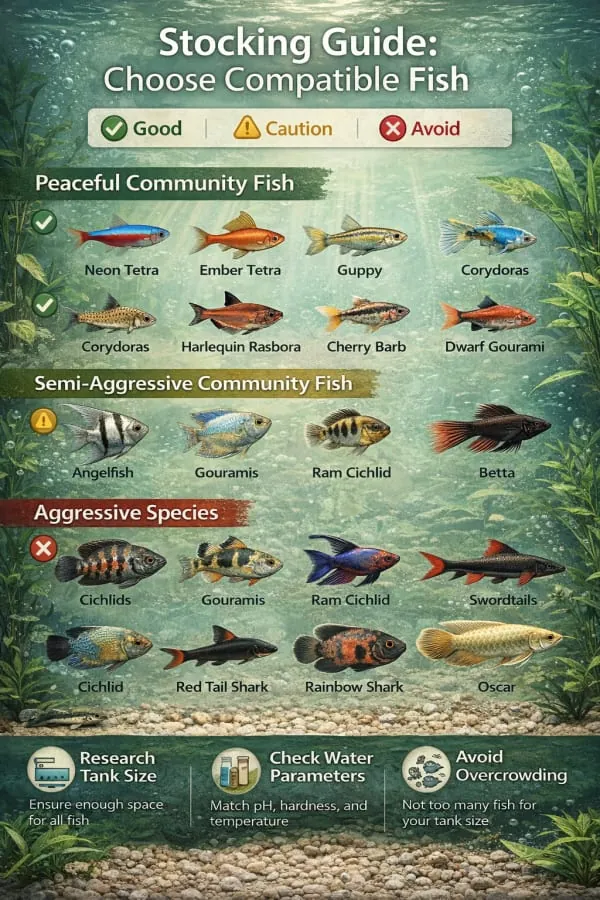
Choose compatible fish: school sizes, swimming zones, aggression, temperature and hardness matching, and honest bioload math for a peaceful community.
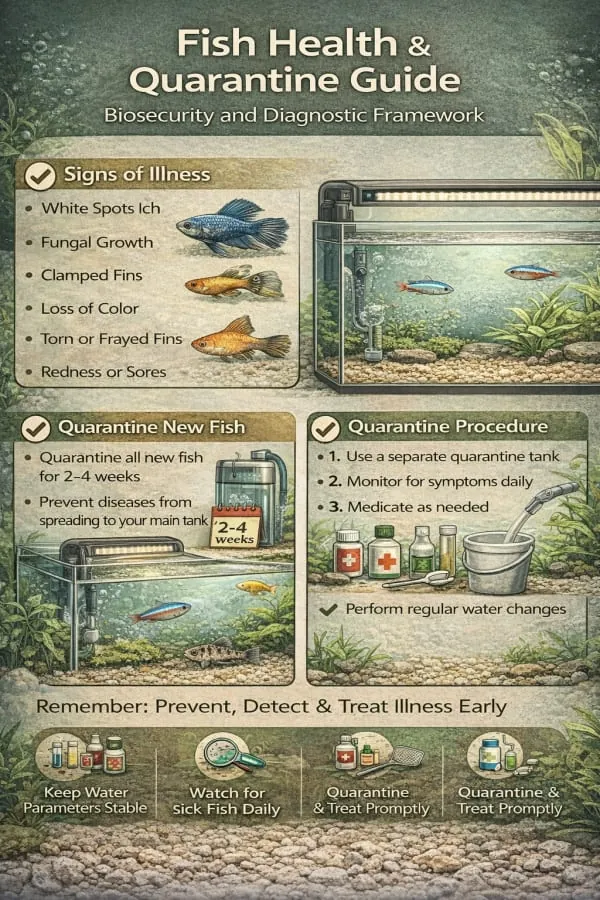
Quarantine new fish, spot the early warning signs, and treat disease without wrecking your tank. A practical freshwater fish health guide.
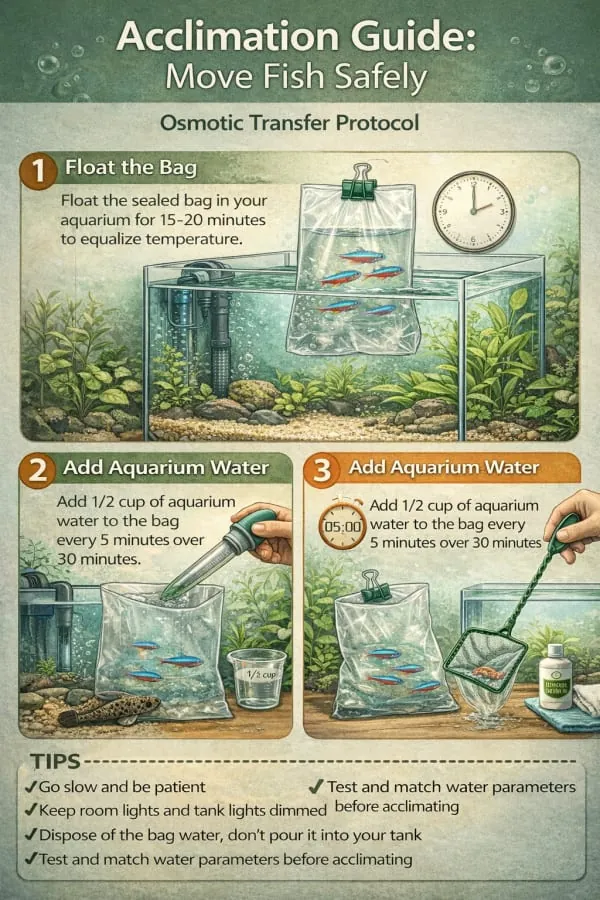
Acclimate new fish, shrimp, and coral safely: temperature floating, drip acclimation, plop-and-drop for shipped livestock, and the first 24 hours.
Keeping Butterfly Plecostomus L168?
AquaLens identifies your fish and plants from a photo, tracks water chemistry, and flags health issues early — free on iOS and Android.