Darter Corydoras Care Guide
Corydoras sp. CW153 · Freshwater Fish
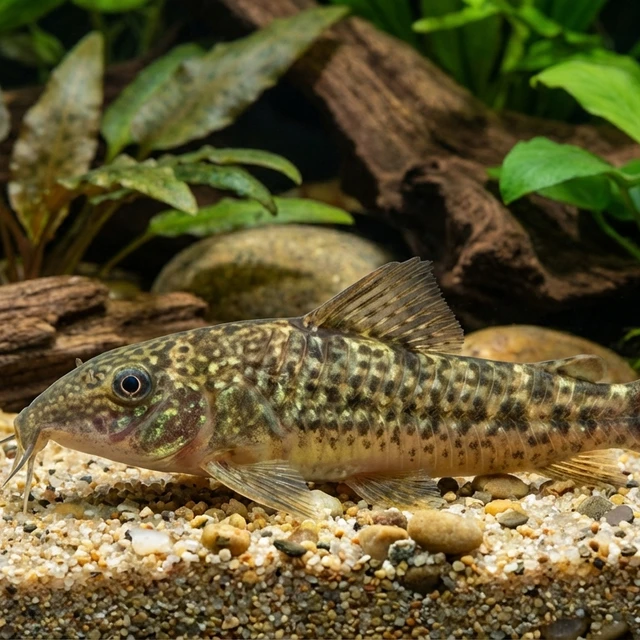
What Darter Corydoras look like
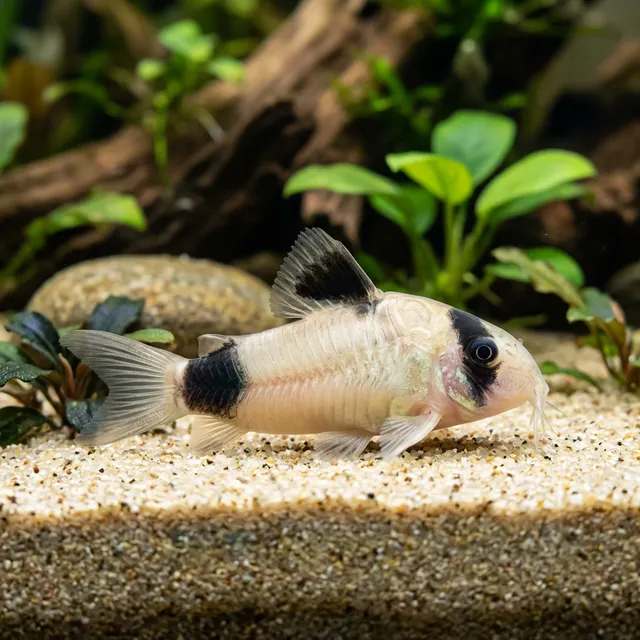
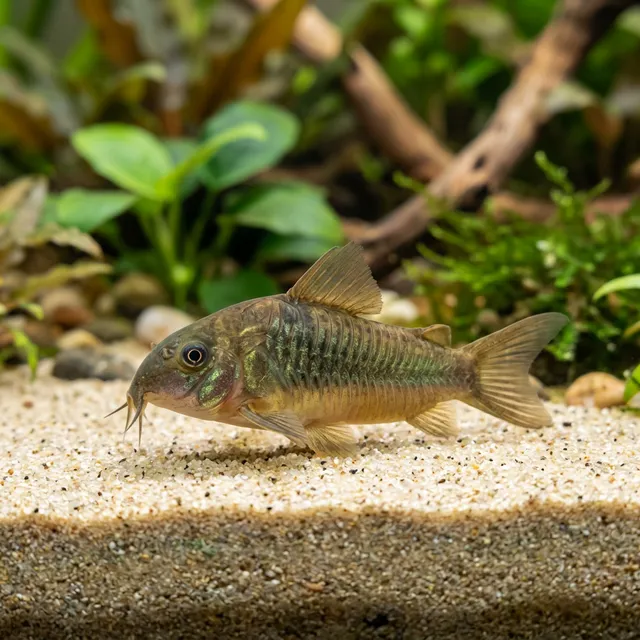
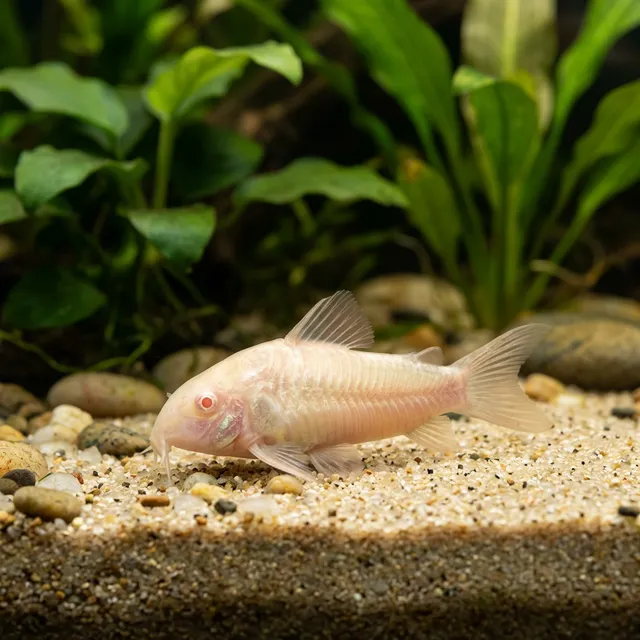
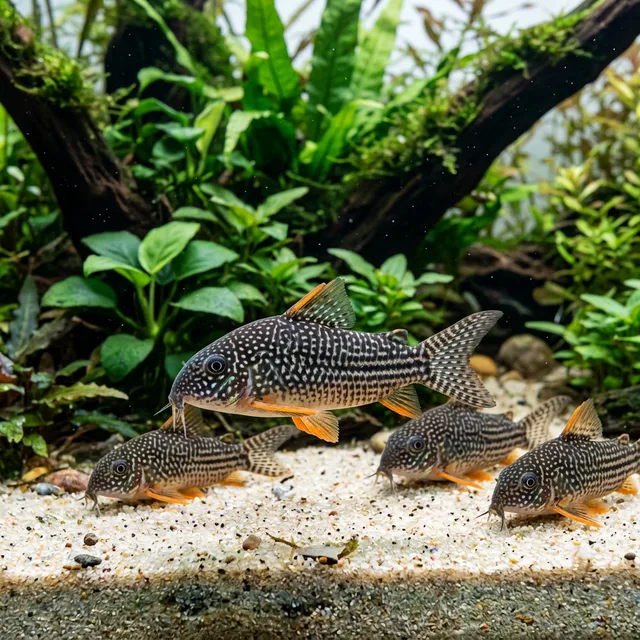
Corydoras sp. CW153, commonly known as the Darter Corydoras, exhibits a small, armored physique typical of the Callichthyidae family, reaching a maximum adult size of approximately 2 inches (5 cm). The body is laterally compressed and characterized by a dramatically dark coloration, nearly black, which is contrasted by lighter markings that enhance its visual appeal. This species possesses the typical Corydoras armor composed of bony plates, along with well-developed barbels that aid in foraging along the substrate. The flat belly facilitates a benthic lifestyle, allowing it to scavenge effectively. Notably, the CW153 designation indicates that this is an undescribed species, adding a layer of intrigue to its morphological study. The presence of a well-defined lateral line system is evident, which plays a crucial role in detecting vibrations and movements in the water, further aiding in its survival against potential predators.
Behavior & temperament
The Darter Corydoras is primarily a benthic fish, often found foraging along the substrate in small groups, indicative of its social nature. It exhibits a non-hierarchical schooling behavior, preferring to dwell in loose aggregations rather than forming strict social hierarchies. This species is generally peaceful and exhibits a calm temperament, making it suitable for community tanks. Breeding behavior is characterized by egg scattering, where females release eggs onto the substrate, which are then fertilized by males. The Darter Corydoras is known for its active foraging behavior, often seen sifting through substrate materials in search of food, and displays minimal aggression towards tank mates.
Diet & feeding
In the wild, the Darter Corydoras is an omnivore, primarily feeding on detritus, small invertebrates, and plant matter. In captivity, it thrives on a varied diet that includes high-quality sinking pellets, frozen or live foods such as bloodworms and brine shrimp, and occasional vegetable matter to ensure a balanced nutritional intake.
Behind the name
Corydoras (from Greek 'kory' meaning helmet and 'doras' meaning skin); sp. indicates a species that is not yet formally described.
Plan your tank
Check the numbers before you buy: tank volume, a stocking plan, cycle progress, water changes, and your ongoing care routine.
Keep reading
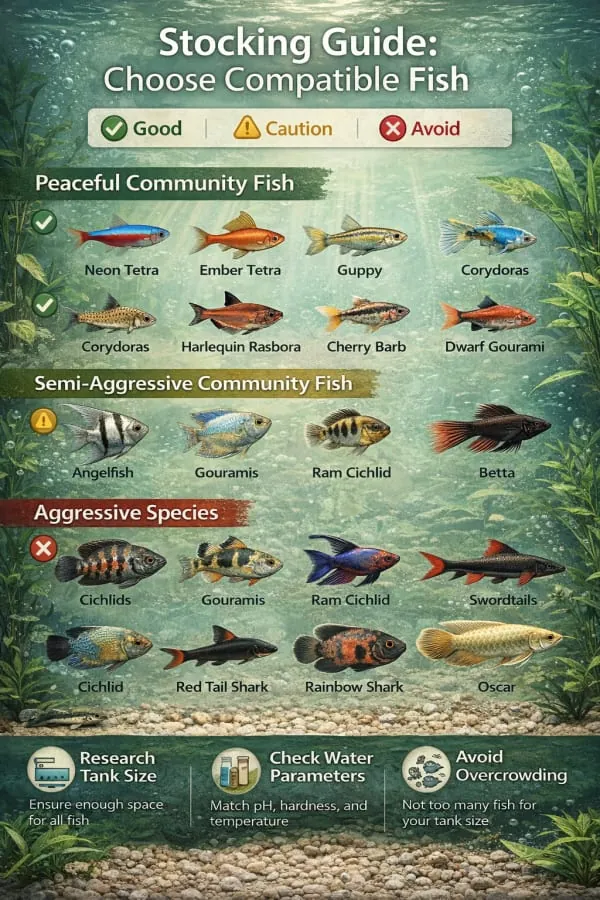
Choose compatible fish: school sizes, swimming zones, aggression, temperature and hardness matching, and honest bioload math for a peaceful community.
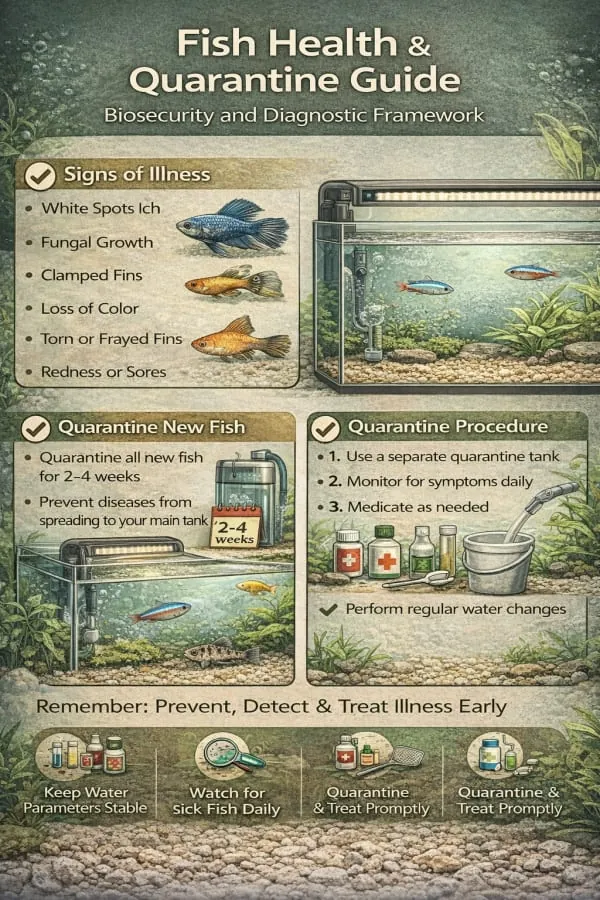
Quarantine new fish, spot the early warning signs, and treat disease without wrecking your tank. A practical freshwater fish health guide.
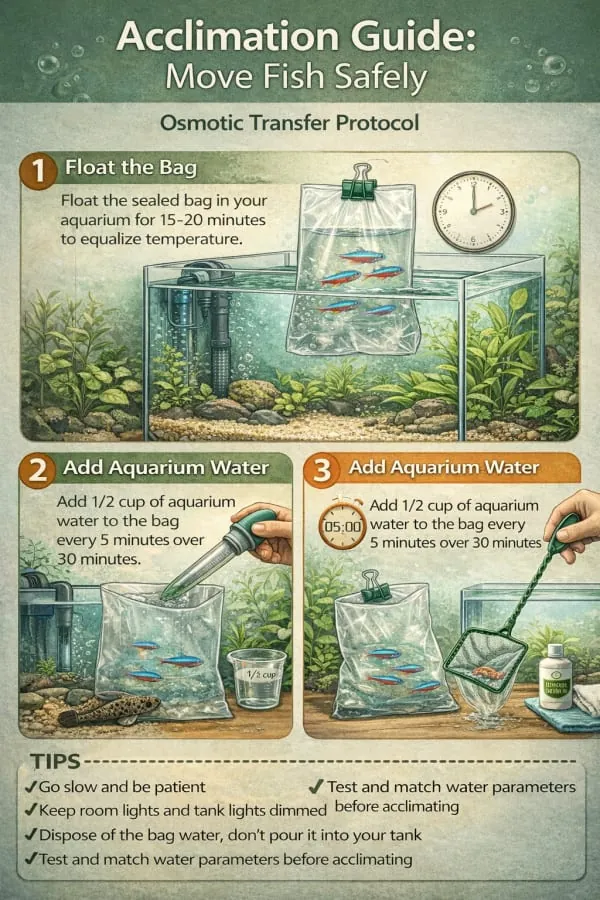
Acclimate new fish, shrimp, and coral safely: temperature floating, drip acclimation, plop-and-drop for shipped livestock, and the first 24 hours.
Keeping Darter Corydoras?
AquaLens identifies your fish and plants from a photo, tracks water chemistry, and flags health issues early — free on iOS and Android.