Deze Chinese Sucker Care Guide
Sinogastromyzon dezeensis · Freshwater Fish
What Deze Chinese Sucker look like
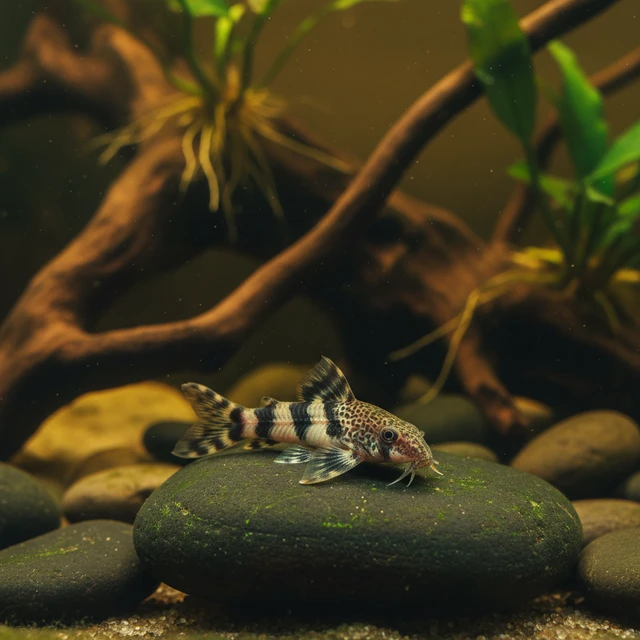
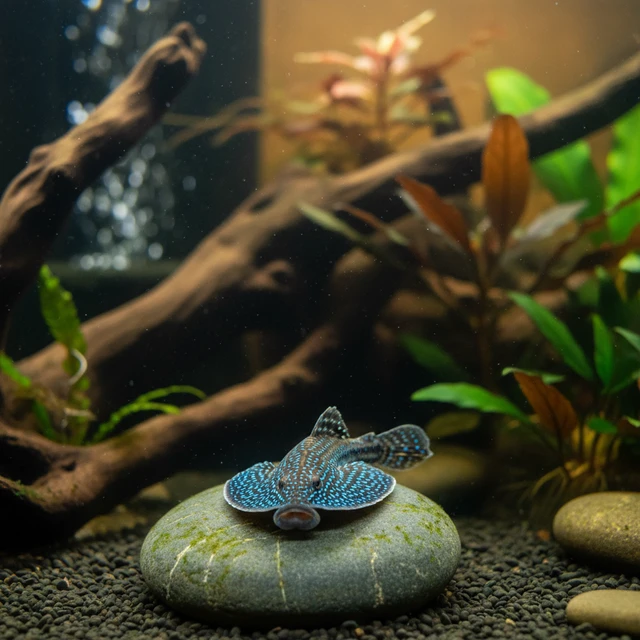
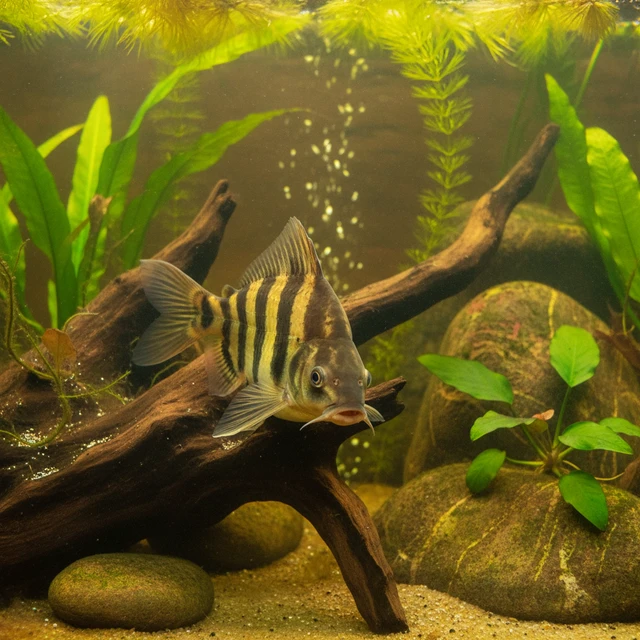
Sinogastromyzon dezeensis exhibits a distinctive flat-bodied morphology, characterized by a broad, pancake-like shape that allows for efficient navigation in fast-flowing streams. Adults typically reach a maximum size of 5 to 15 inches, with sexual dimorphism being subtle; males may display slightly more vibrant coloration during breeding periods. The species features a fused fin structure that forms a powerful suction disc, enabling it to cling tightly to smooth substrates in its natural habitat. Its coloration ranges from brown to tan, adorned with darker mottled markings that provide effective camouflage against rocky environments. Notable morphological adaptations include a well-developed lateral line system for detecting water movements and a specialized dentition suited for scraping algae and detritus from surfaces.
Behavior & temperament
Sinogastromyzon dezeensis is a predominantly benthic species, often found clinging to rocks in the turbulent waters of its native streams. It exhibits a solitary to semi-social behavior, with individuals occasionally forming loose aggregations in areas of high current. The species is not an obligate schooler; rather, it displays a territorial nature, particularly during breeding seasons. Breeding behavior involves egg scattering, where females release eggs onto suitable surfaces, and males subsequently fertilize them. The species is generally peaceful but can exhibit aggression towards conspecifics when establishing territory.
Diet & feeding
In the wild, Sinogastromyzon dezeensis primarily feeds on algae, biofilm, and detritus, utilizing its specialized mouthparts for scraping surfaces. In captivity, it requires a varied omnivorous diet that includes high-quality sinking pellets, blanched vegetables, and occasional protein sources such as frozen or live foods.
Behind the name
Sinogastromyzon (Sino- referring to China; gastromyzon meaning 'belly sucker'). Dezeensis is derived from the locality where the species was first described.
Plan your tank
Check the numbers before you buy: tank volume, a stocking plan, cycle progress, water changes, and your ongoing care routine.
Keep reading

Choose compatible fish: school sizes, swimming zones, aggression, temperature and hardness matching, and honest bioload math for a peaceful community.

Quarantine new fish, spot the early warning signs, and treat disease without wrecking your tank. A practical freshwater fish health guide.

Acclimate new fish, shrimp, and coral safely: temperature floating, drip acclimation, plop-and-drop for shipped livestock, and the first 24 hours.
Keeping Deze Chinese Sucker?
AquaLens identifies your fish and plants from a photo, tracks water chemistry, and flags health issues early — free on iOS and Android.