Duckweed Care Guide
Lemna minor · Freshwater Plant
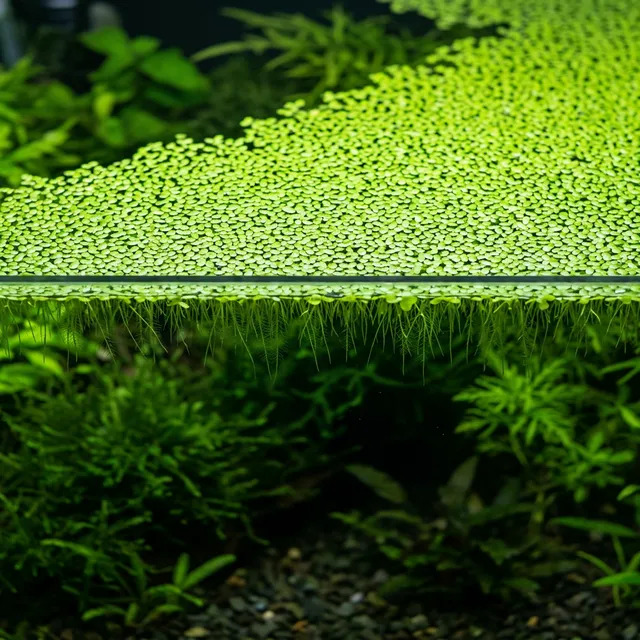
What Duckweed look like
Lemna minor, commonly known as Duckweed, exhibits a distinctive morphology characterized by exceedingly tiny, nearly microscopic, oval-shaped leaves that are bright light neon-green in color. These leaves are flat and can reach sizes of up to 20 mm in diameter, though they are typically much smaller. The plant's structure consists of a single leaf or a cluster of leaves, each with a simple, unbranched form, and it lacks a true stem. Duckweed is notable for its rapid growth and ability to form a massive, continuous blanket over the water surface, which can significantly impact light penetration and oxygen levels in aquatic ecosystems. Its reproductive structures include small, inconspicuous flowers that are borne on short stalks, and it can reproduce both vegetatively and sexually, contributing to its invasive potential in suitable habitats.
Behavior & temperament
Duckweed is primarily a free-floating aquatic plant that thrives in still or slow-moving freshwater environments, dwelling at the surface of the water column. It exhibits a clonal growth habit, forming dense colonies that can rapidly cover the water surface, thereby creating a unique microhabitat. Duckweed does not exhibit social hierarchy or aggression, as it is a non-vascular plant that relies on vegetative propagation. Its breeding behavior is predominantly asexual through budding, although it can also produce flowers under certain conditions. The plant's growth is influenced by environmental factors such as light and nutrient availability, and it can quickly adapt to varying conditions, making it a resilient species in diverse aquatic ecosystems.
Diet & feeding
Lemna minor is an obligate autotroph, relying on photosynthesis for its nutritional needs. In captivity, it requires bright light conditions to thrive and may benefit from nutrient-rich water to support optimal growth.
Behind the name
The genus name 'Lemna' is derived from the Latin word for 'duckweed', while 'minor' translates to 'smaller' or 'lesser', indicating its diminutive size compared to other species in the family.
Plan your tank
Check the numbers before you buy: tank volume, a stocking plan, cycle progress, water changes, and your ongoing care routine.
Keep reading
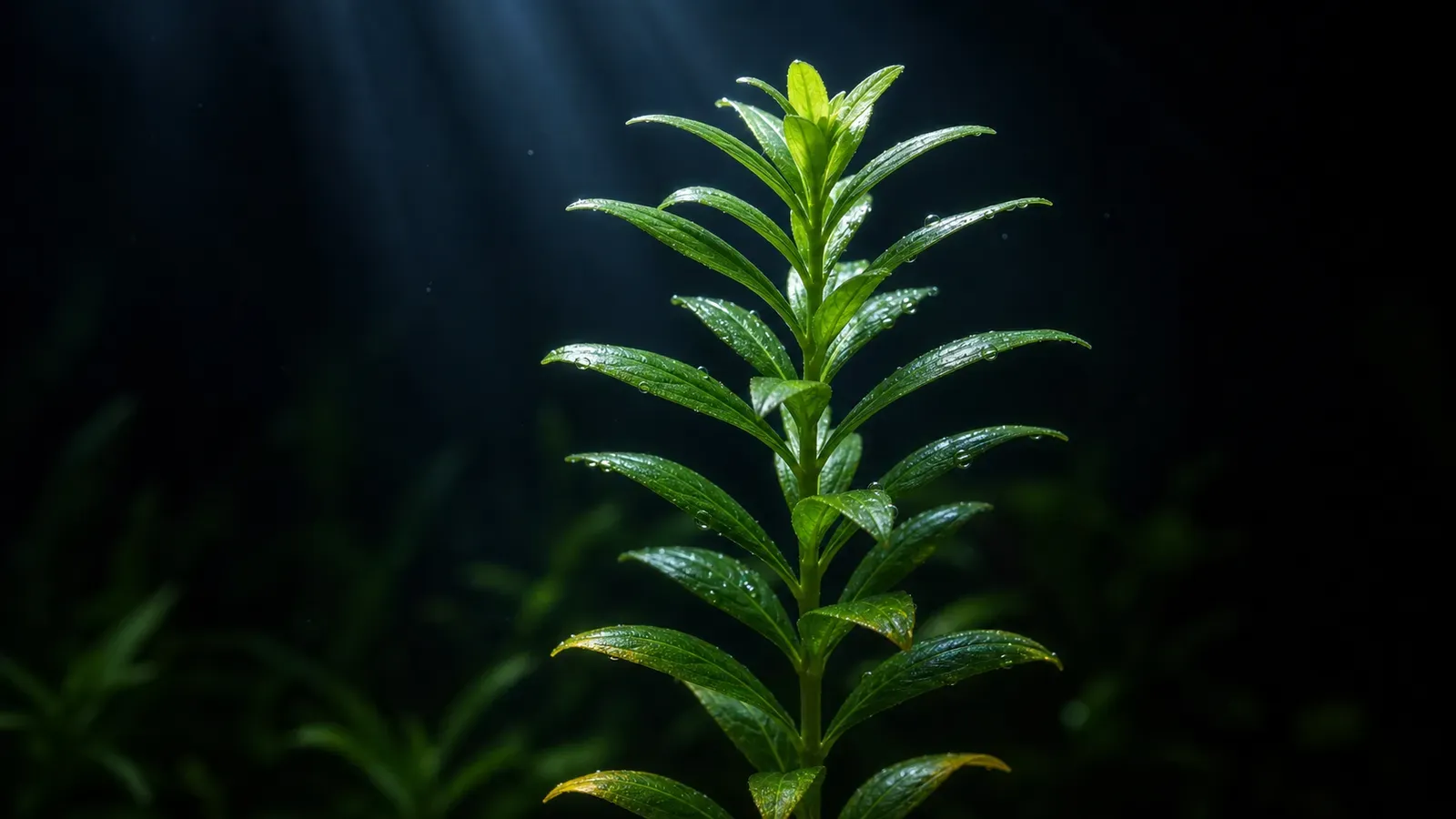
Diagnose aquarium plant deficiencies by leaf age and symptom: yellowing, pinholes, twisting, and stunting. Read the pattern, then fix it safely.
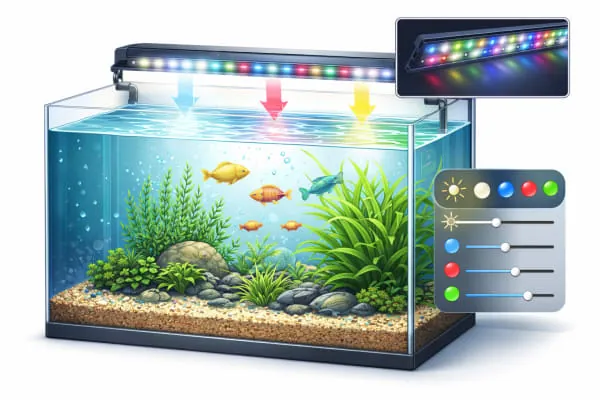
PAR-first planted tank lighting: choose intensity by what you grow, set photoperiod and spectrum, kill shadows, and hold algae back without overspending.
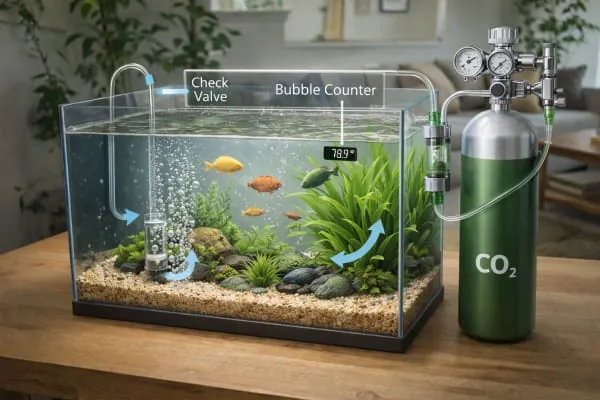
Aquarium CO₂ injection made safe: how carbon, light, and nutrients balance, which system to buy, and how to dial it in without gassing your fish.
Keeping Duckweed?
AquaLens identifies your fish and plants from a photo, tracks water chemistry, and flags health issues early — free on iOS and Android.