Flame Moss Care Guide
Taxiphyllum sp. 'Flame' · Freshwater Plant
What Flame Moss look like
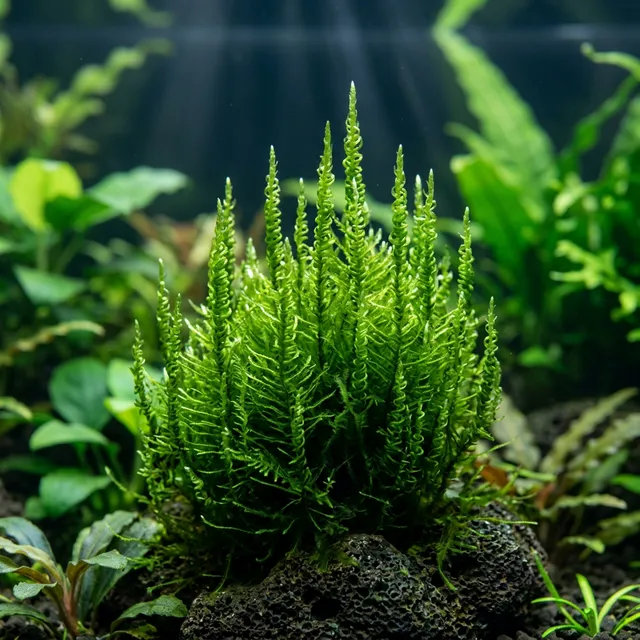
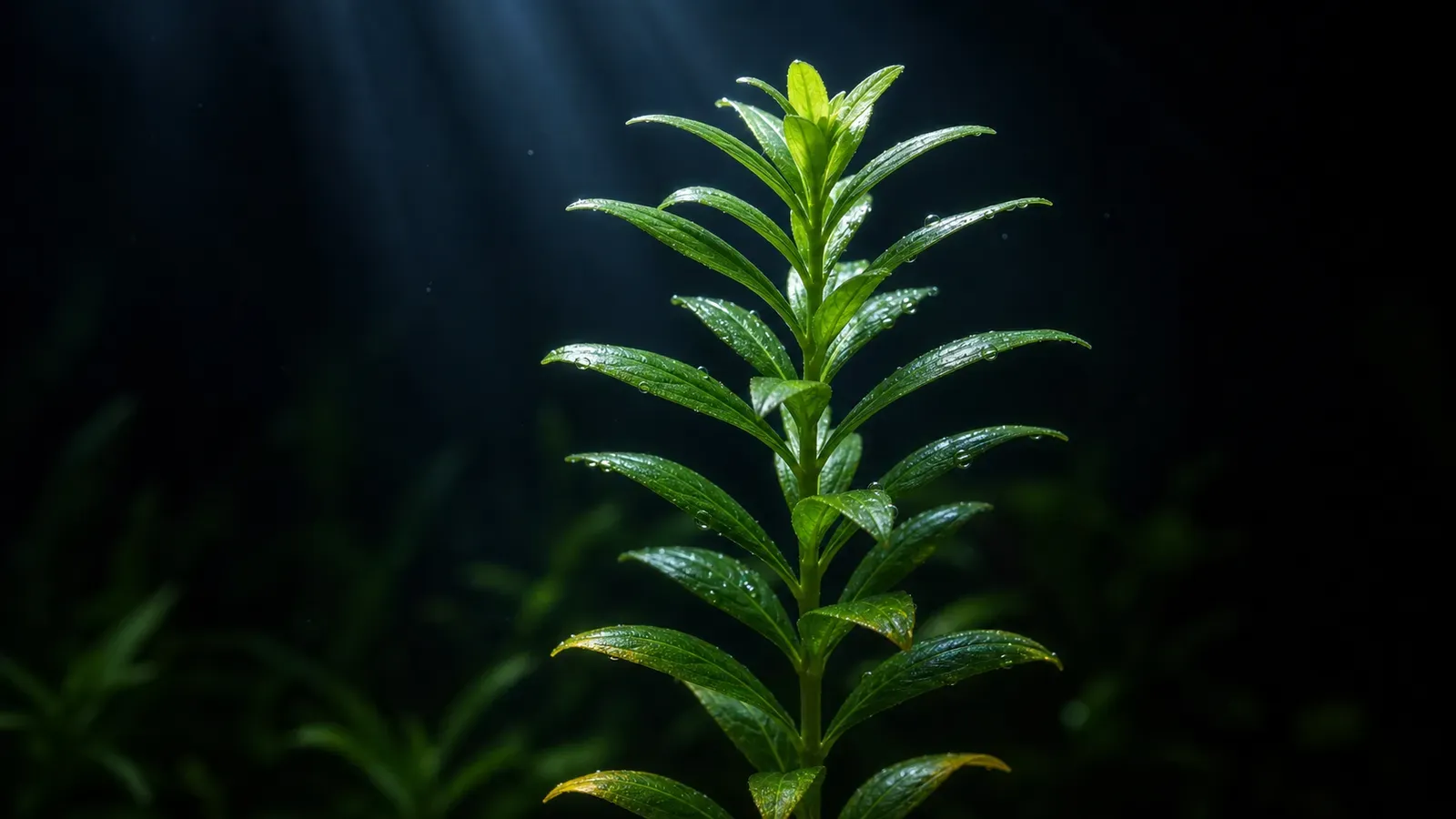
Flame Moss (Taxiphyllum sp. 'Flame') exhibits a unique morphology characterized by its fine, delicate filaments that grow in tightly spiraled, vertical pillars, resembling flickering flames. This distinctive growth pattern can reach a maximum height of approximately 15 cm, though it typically remains smaller in aquaria. The moss features a vibrant green coloration, with individual stems exhibiting a fine texture and a high degree of branching, which enhances its surface area for photosynthesis. Unlike many other mosses, Flame Moss does not spread horizontally in a chaotic manner but instead maintains a structured, upright form. This morphology not only aids in its aesthetic appeal but also provides habitat for small aquatic organisms. The plant lacks true leaves, instead possessing tiny, scale-like structures that contribute to its overall appearance and functionality in aquatic environments.
Behavior & temperament
Flame Moss is primarily a benthic plant, often found attached to substrates in slow-moving waters or in shaded areas of streams and rivers. It thrives in a variety of aquatic environments, exhibiting a preference for low to moderate light conditions. This moss does not exhibit social hierarchies as seen in animal species; rather, it grows in clumps or mats, providing shelter and habitat for small invertebrates and fish. Flame Moss reproduces via fragmentation, where pieces of the moss can break off and establish new growth, allowing it to spread effectively in suitable conditions. Its growth pattern and structure create a serene aquatic landscape, making it a popular choice among aquarists. The plant is generally non-aggressive and coexists peacefully with other aquatic flora and fauna.
Diet & feeding
Flame Moss is an obligate photosynthetic organism, deriving its energy primarily from light through the process of photosynthesis. In captivity, it requires adequate lighting to thrive, along with nutrient-rich substrates or water column fertilizers to support healthy growth.
Behind the name
Taxiphyllum (from Greek 'taxus' meaning 'arranged' and 'phyllon' meaning 'leaf') refers to the plant's structured growth habit, while 'Flame' describes its unique, flame-like appearance.
Plan your tank
Check the numbers before you buy: tank volume, a stocking plan, cycle progress, water changes, and your ongoing care routine.
Keep reading
Diagnose aquarium plant deficiencies by leaf age and symptom: yellowing, pinholes, twisting, and stunting. Read the pattern, then fix it safely.

PAR-first planted tank lighting: choose intensity by what you grow, set photoperiod and spectrum, kill shadows, and hold algae back without overspending.

Aquarium CO₂ injection made safe: how carbon, light, and nutrients balance, which system to buy, and how to dial it in without gassing your fish.
Keeping Flame Moss?
AquaLens identifies your fish and plants from a photo, tracks water chemistry, and flags health issues early — free on iOS and Android.