Willow Moss Care Guide
Fontinalis antipyretica · Freshwater Plant
What Willow Moss look like
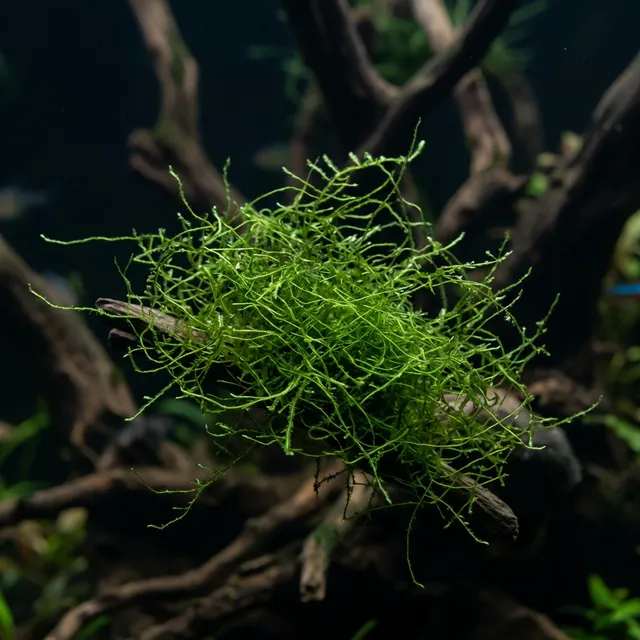
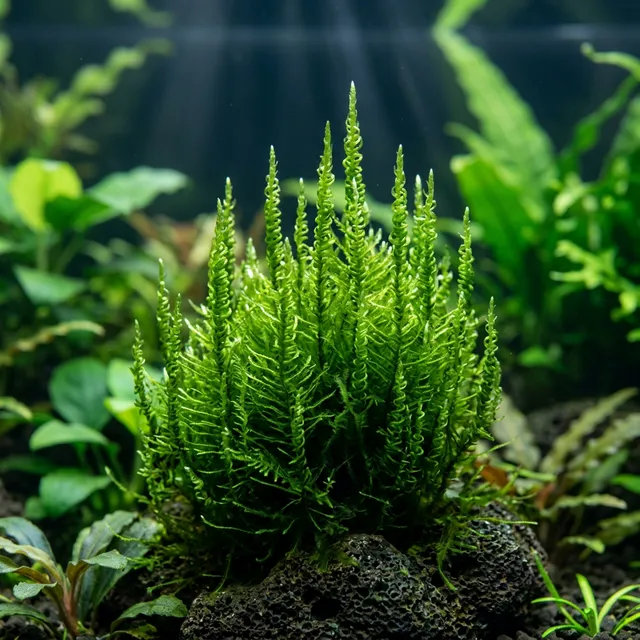
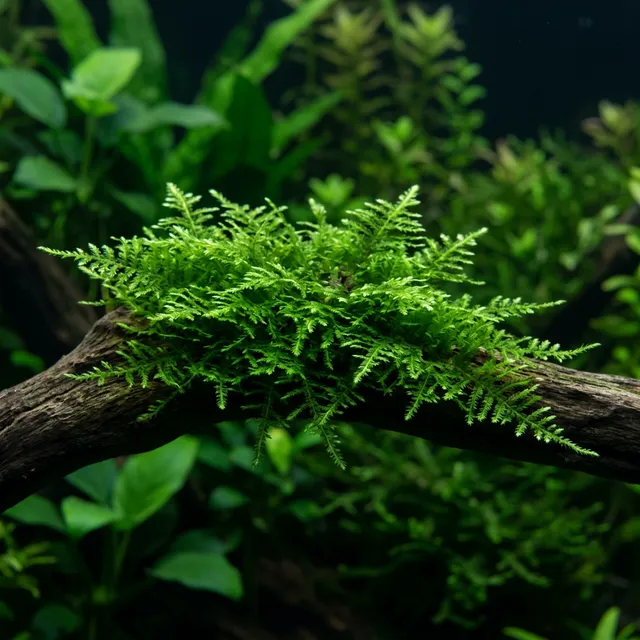
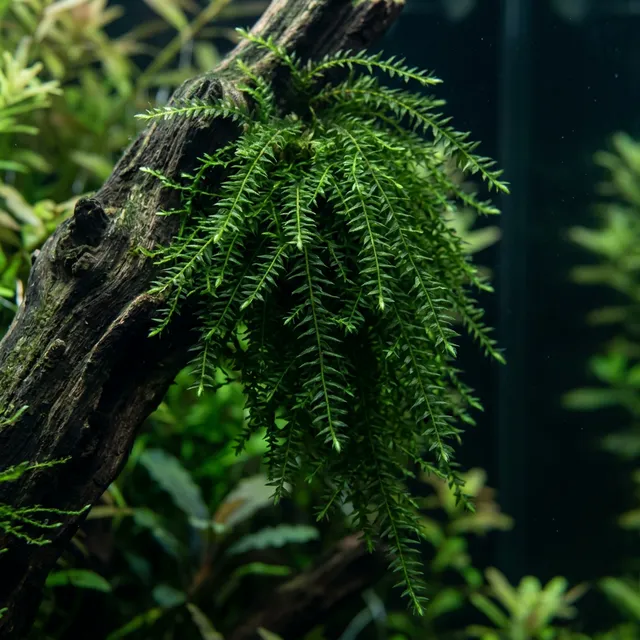
Fontinalis antipyretica, commonly known as Willow Moss, exhibits a distinctive morphology characterized by its dark green, triangular-section stems that can reach a maximum length of 15 cm. The plant features tiny, pointed leaves that are arranged in three ranks, giving the stems a unique triangular cross-section. The leaves themselves are small and keeled, contributing to the overall structured appearance of the moss. Unlike other aquatic mosses, such as Java moss, Willow Moss is darker green and forms flowing curtains that attach firmly to hard surfaces in its aquatic environment. This species thrives in cooler water, making it an excellent choice for temperate aquatic systems.
Behavior & temperament
Willow Moss is primarily a benthic plant, often found in flowing freshwater environments where it can attach to substrates such as rocks and logs. It does not exhibit social behaviors typical of animal species, as it is a plant; however, it plays a crucial role in aquatic ecosystems by providing habitat and shelter for various aquatic organisms. The plant reproduces through fragmentation and sporulation, contributing to its spread in suitable environments. Its growth habit allows it to thrive in a variety of water conditions, and it is generally non-aggressive, coexisting peacefully with other aquatic flora.
Diet & feeding
Willow Moss is autotrophic, relying on photosynthesis for its nutritional needs. In captivity, it requires adequate light to facilitate photosynthesis and promote healthy growth, thriving in environments that mimic its natural habitat.
Behind the name
The genus name 'Fontinalis' is derived from the Latin 'fontinalis', meaning 'of springs', while the species name 'antipyretica' translates to 'against fever', reflecting its historical use in traditional medicine.
Plan your tank
Check the numbers before you buy: tank volume, a stocking plan, cycle progress, water changes, and your ongoing care routine.
Keep reading
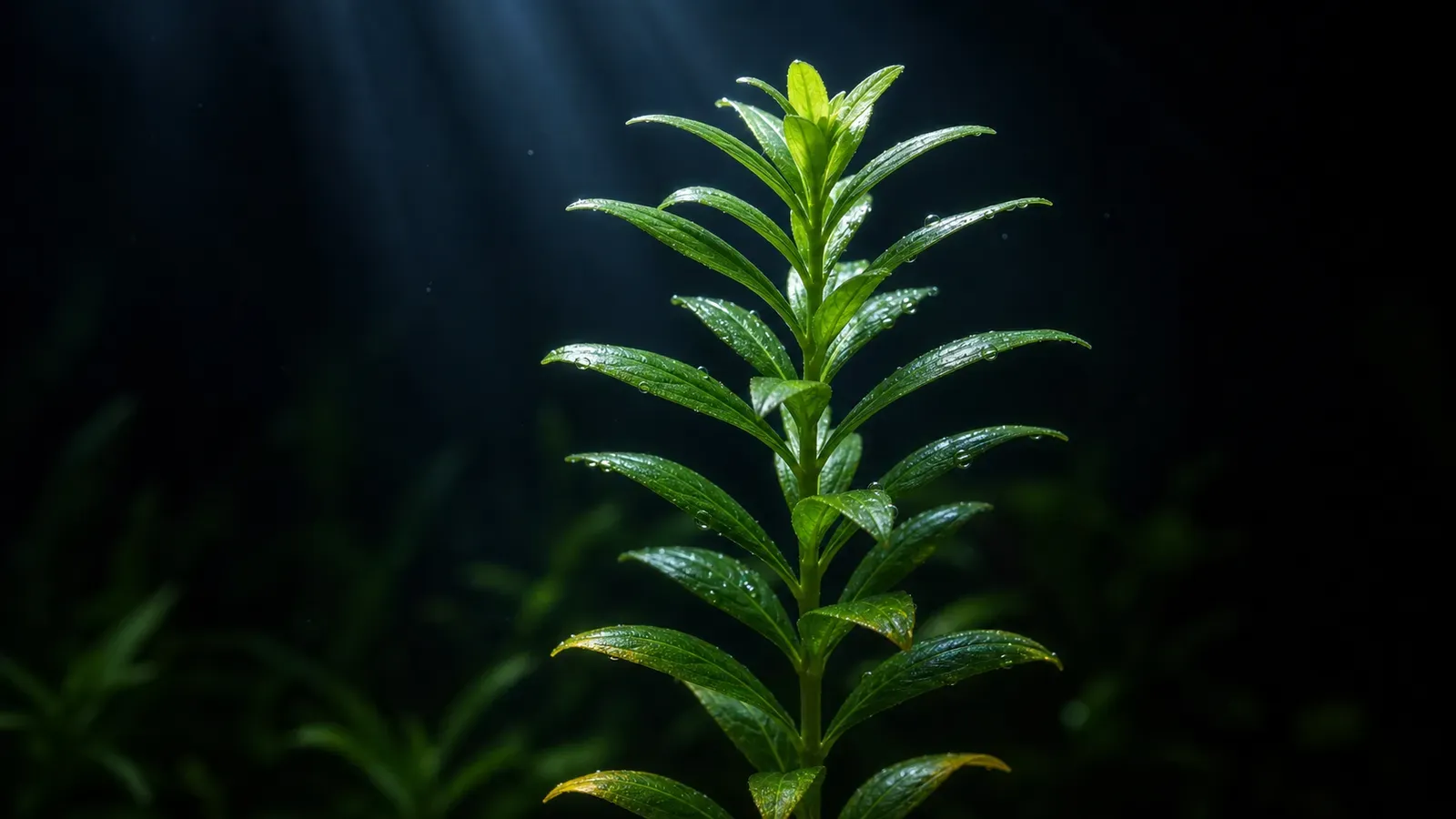
Diagnose aquarium plant deficiencies by leaf age and symptom: yellowing, pinholes, twisting, and stunting. Read the pattern, then fix it safely.
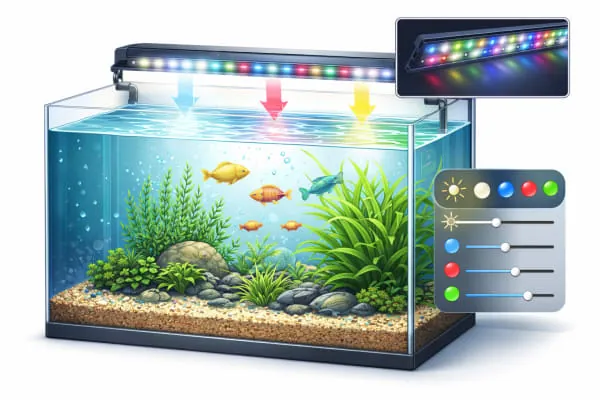
PAR-first planted tank lighting: choose intensity by what you grow, set photoperiod and spectrum, kill shadows, and hold algae back without overspending.
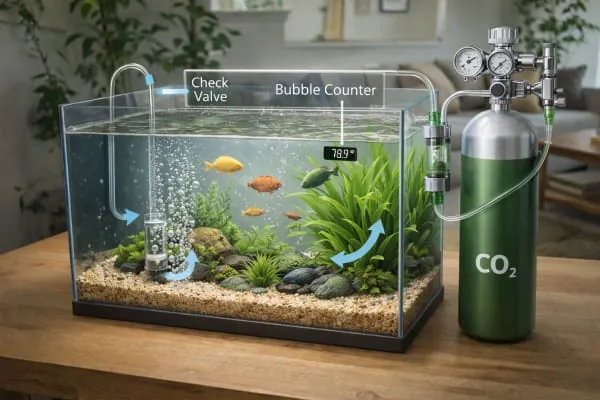
Aquarium CO₂ injection made safe: how carbon, light, and nutrients balance, which system to buy, and how to dial it in without gassing your fish.
Keeping Willow Moss?
AquaLens identifies your fish and plants from a photo, tracks water chemistry, and flags health issues early — free on iOS and Android.