Giant Whiptail Care Guide
Lamontichthys filamentosus · Freshwater Fish
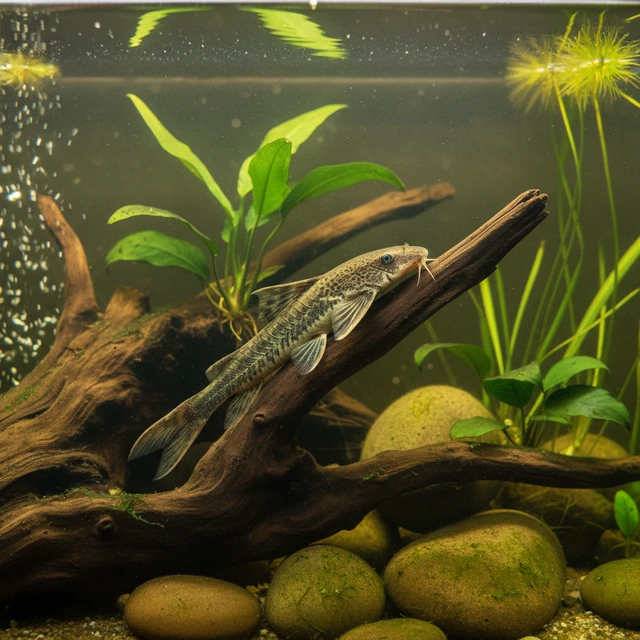
What Giant Whiptail look like
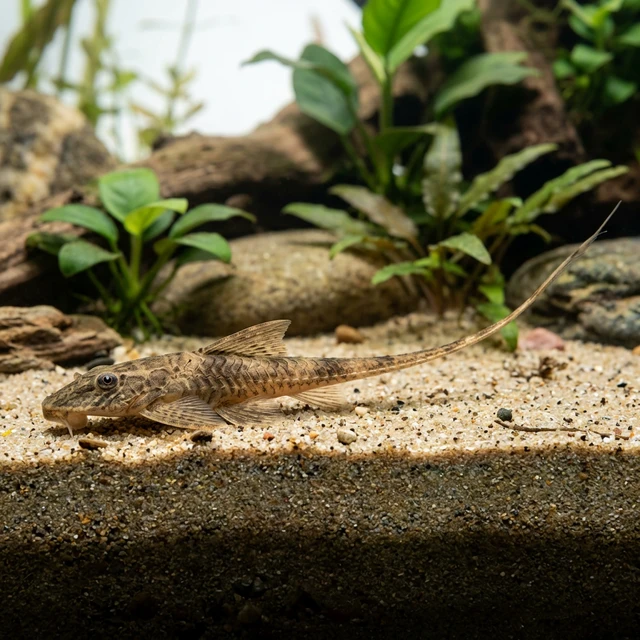
The Giant Whiptail (Lamontichthys filamentosus) exhibits a highly specialized morphology characterized by a flattened, wood-like body that is adapted for life among submerged structures in its native Amazonian habitat. Adult specimens can reach a maximum size of approximately 15 inches (38 cm), displaying significant sexual dimorphism, with males typically exhibiting more elongated and filamentous pectoral fins compared to the broader, rounded fins of females. A distinctive feature of this species is the presence of extremely long, rigid thread-like filaments that extend well beyond the caudal fin, contributing to its unique appearance. The pectoral fins are notably large and shaped like airplane wings, aiding in maneuverability within complex aquatic environments. Additionally, the Giant Whiptail possesses a robust dentition adapted for scraping algae off surfaces, and its body is covered in bony plates typical of the Loricariidae family, providing defensive adaptations against predation.
Behavior & temperament
The Giant Whiptail is primarily a benthic species, often found dwelling among the leaf litter and submerged wood of slow-moving waters in the Amazon. It exhibits a solitary to semi-social behavior, with individuals occasionally forming loose aggregations in areas with abundant food resources. This species is not an obligate schooler, but it may display social hierarchies based on size and dominance during feeding. Breeding behavior is characterized by egg scattering, where females lay adhesive eggs on flat surfaces, and males guard the nesting site. The temperament of the Giant Whiptail is generally peaceful, although it can exhibit territorial aggression towards conspecifics, particularly during breeding periods.
Diet & feeding
In the wild, the Giant Whiptail is an omnivore that primarily feeds on algae, detritus, and small invertebrates. In captivity, it requires a varied diet that includes high-quality sinking pellets, fresh vegetables, and occasional protein sources such as frozen or live foods to ensure optimal health and coloration.
Behind the name
Lamontichthys (from Greek 'lamon' meaning 'thin' or 'slender' and 'ichthys' meaning 'fish'); filamentosus (from Latin 'filamentum' meaning 'thread' or 'filament').
Plan your tank
Check the numbers before you buy: tank volume, a stocking plan, cycle progress, water changes, and your ongoing care routine.
Keep reading

Choose compatible fish: school sizes, swimming zones, aggression, temperature and hardness matching, and honest bioload math for a peaceful community.
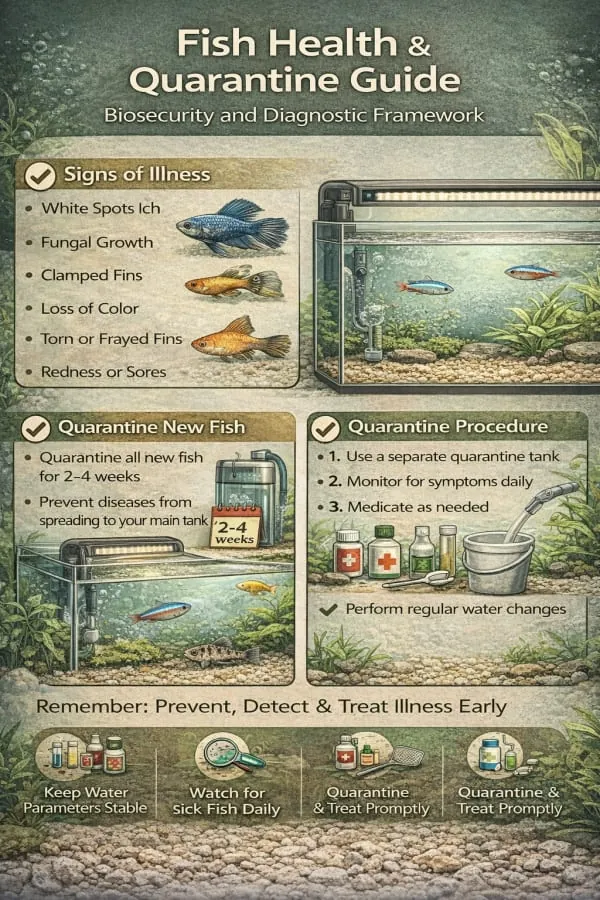
Quarantine new fish, spot the early warning signs, and treat disease without wrecking your tank. A practical freshwater fish health guide.
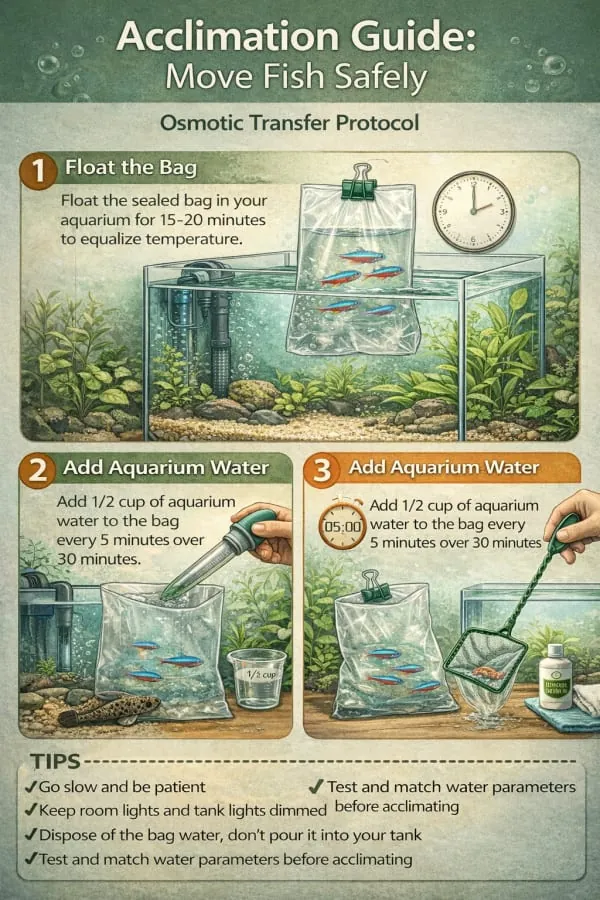
Acclimate new fish, shrimp, and coral safely: temperature floating, drip acclimation, plop-and-drop for shipped livestock, and the first 24 hours.
Keeping Giant Whiptail?
AquaLens identifies your fish and plants from a photo, tracks water chemistry, and flags health issues early — free on iOS and Android.