Krabi Mouth Brooding Betta Care Guide
Betta simplex · Freshwater Fish
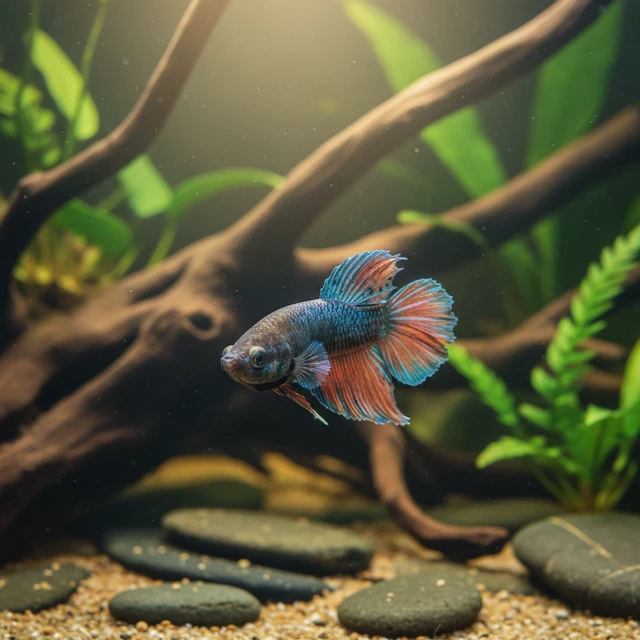
What Krabi Mouth Brooding Betta look like
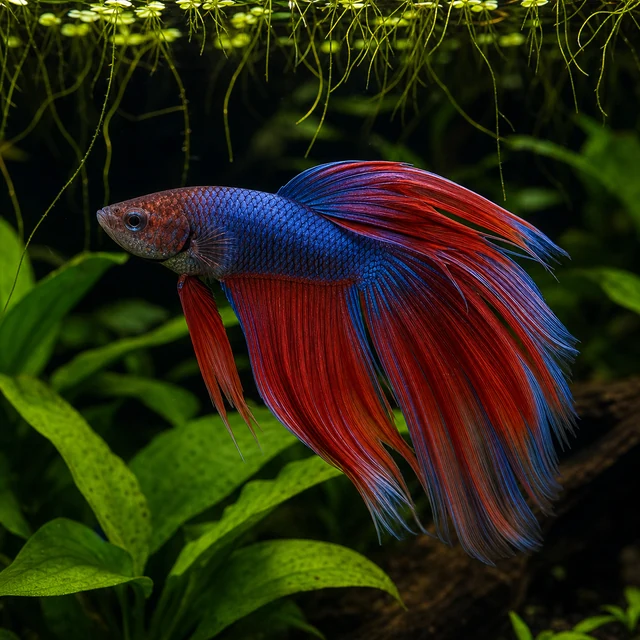
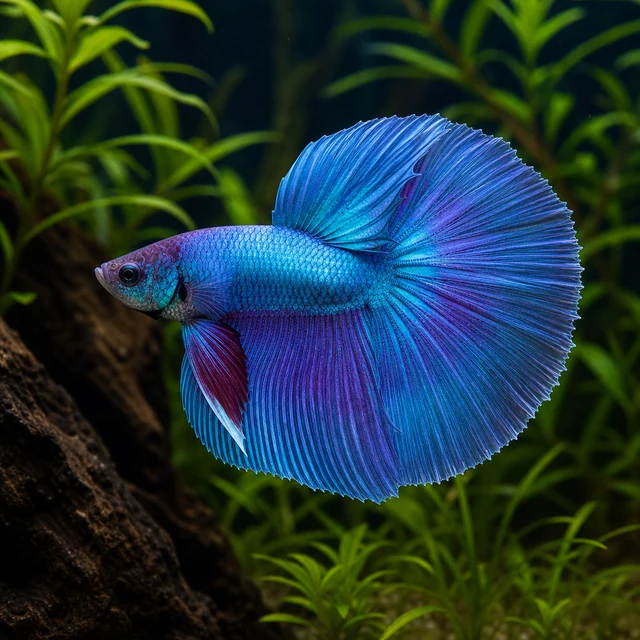
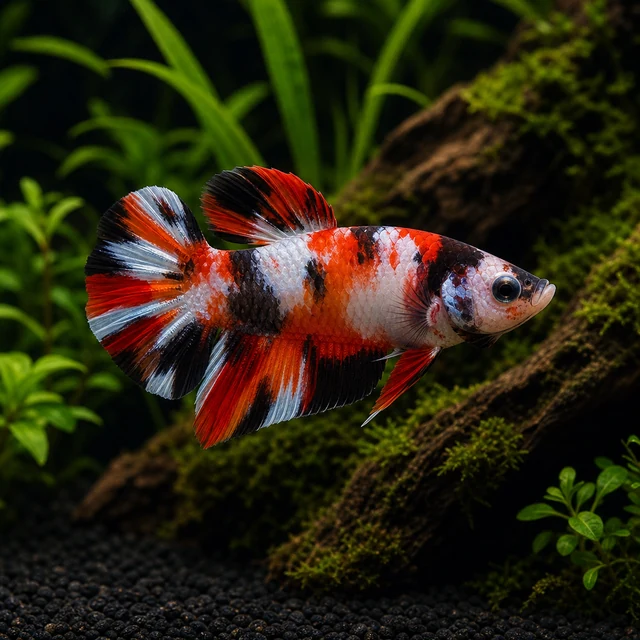
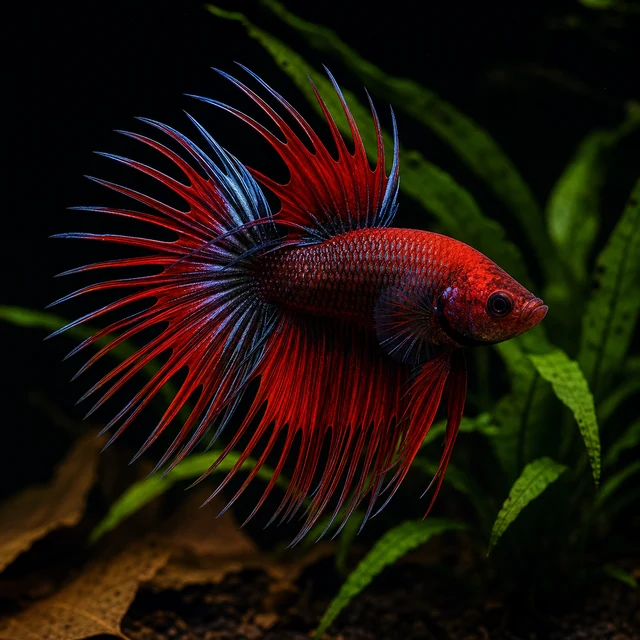
Betta simplex, commonly known as the Krabi Mouth Brooding Betta, exhibits a small, laterally compressed body, reaching a maximum adult size of approximately 2-2.5 inches (5-6.5 cm). The species displays sexual dimorphism, with males characterized by a brown base coloration adorned with iridescent blue-green hues on the gill covers and anal fin, while females are generally less vibrantly colored. This species possesses a relatively large head in proportion to its body, which is an adaptation for its cave-dwelling lifestyle. Unique morphological features include a well-developed lateral line system, which aids in navigation and prey detection in its limestone cave habitat, and a small, rounded caudal fin that enhances maneuverability in confined spaces. Defensive adaptations include its ability to retreat into crevices within limestone formations, providing shelter from predators.
Behavior & temperament
The Krabi Mouth Brooding Betta is primarily a solitary species, although it may exhibit social interactions during breeding. It is typically found in benthic zones, favoring the protection of limestone caves where it can establish territories. This species is a mouthbrooder, with females laying eggs that are subsequently fertilized and carried in the male's mouth until they hatch, showcasing a unique reproductive strategy among bettas. The temperament of Betta simplex is generally peaceful, though males can exhibit territorial aggression during breeding periods, particularly towards other males.
Diet & feeding
In the wild, Betta simplex primarily feeds on small invertebrates and zooplankton, making it a carnivorous species. In captivity, it requires a diet rich in high-quality protein sources such as live or frozen foods, including brine shrimp and daphnia, to maintain optimal health.
Behind the name
Betta (from the Malay word 'ikan bettah', meaning 'warrior fish'); simplex (Latin for 'simple' or 'single', possibly referring to its less ornate appearance compared to other betta species).
Plan your tank
Check the numbers before you buy: tank volume, a stocking plan, cycle progress, water changes, and your ongoing care routine.
Keep reading
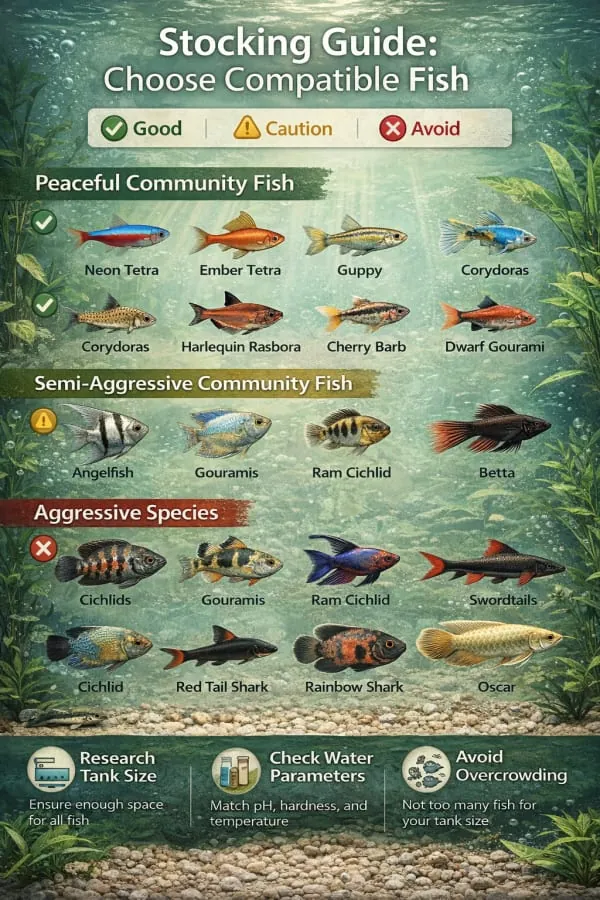
Choose compatible fish: school sizes, swimming zones, aggression, temperature and hardness matching, and honest bioload math for a peaceful community.
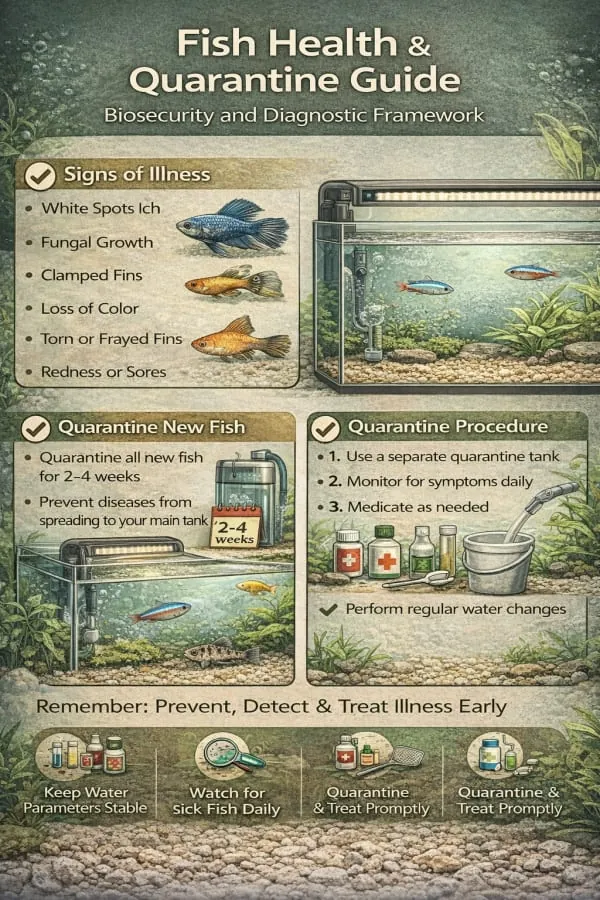
Quarantine new fish, spot the early warning signs, and treat disease without wrecking your tank. A practical freshwater fish health guide.
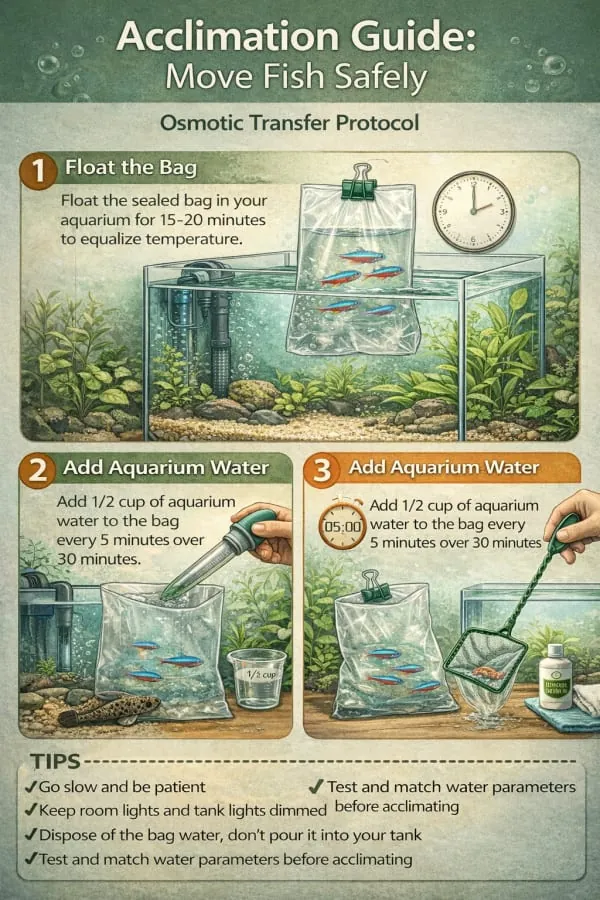
Acclimate new fish, shrimp, and coral safely: temperature floating, drip acclimation, plop-and-drop for shipped livestock, and the first 24 hours.
Keeping Krabi Mouth Brooding Betta?
AquaLens identifies your fish and plants from a photo, tracks water chemistry, and flags health issues early — free on iOS and Android.