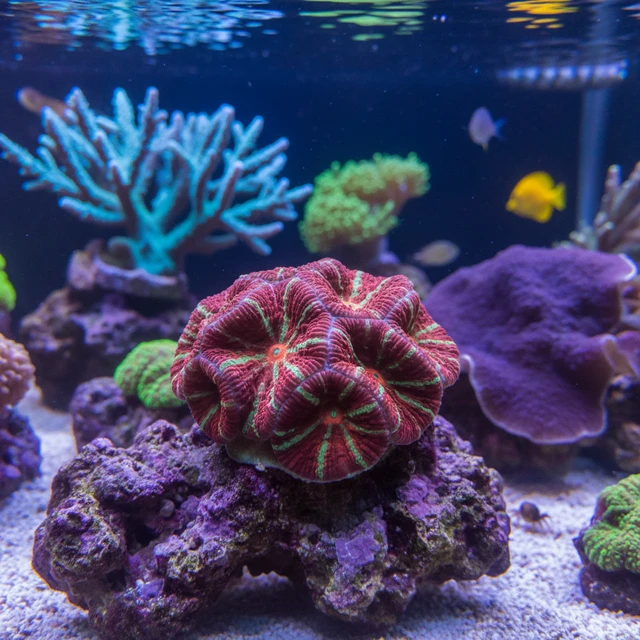
Micromussa Lord Care Guide
Micromussa lordhowensis · Saltwater LPS Coral
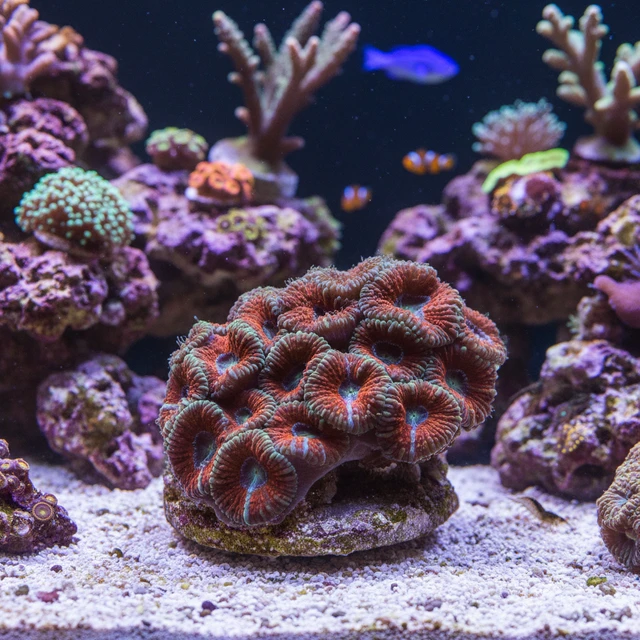
What Micromussa Lord look like
Micromussa lordhowensis, commonly known as Micromussa Lord, exhibits a robust and compact structure characterized by its distinctive polyp morphology. The corallites are typically small and closely spaced, with a maximum diameter of up to 5 cm per polyp, and can form colonies that reach several inches in diameter. The coloration varies widely, ranging from vibrant greens, reds, and blues to more muted tones, often with contrasting patterns that enhance its visual appeal. Sexual dimorphism is not pronounced in this species, as both sexes exhibit similar external features. Defensive adaptations include the presence of nematocysts within the tentacles, which can deliver a mild sting to potential threats. Unique morphological features include the presence of a prominent skeletal structure that supports the polyp, as well as a well-defined oral disc surrounded by long, extended tentacles that are retracted during the day and fully extended at night, maximizing feeding opportunities.
Behavior & temperament
Micromussa lordhowensis is primarily a sessile coral that exhibits a relatively slow growth rate. It is known for its aggressive feeding behavior, utilizing its extended tentacles to capture plankton and small zooplankton during the night. This species can engage in aggressive interactions with neighboring corals through the use of its nematocysts, often leading to competition for space and resources. While it does not exhibit significant social hierarchy, it can form dense colonies that may compete for light and nutrients. In terms of symbiotic relationships, Micromussa lordhowensis harbors zooxanthellae, which provide essential nutrients through photosynthesis, although it also benefits from direct feeding. Its overall temperament is generally peaceful, but it can display territorial aggression towards closely placed corals.
Diet & feeding
Micromussa lordhowensis is an omnivorous coral that primarily feeds on zooplankton and phytoplankton in the wild. In captivity, it requires a diet supplemented with high-quality coral foods, including liquid or powdered foods rich in amino acids and essential nutrients.
Behind the name
The scientific name Micromussa lordhowensis derives from the Greek 'micro' meaning 'small' and 'mussa' which refers to a genus of corals, combined with 'lordhowensis' indicating its origin from Lord Howe Island.
Plan your tank
Check the numbers before you buy: tank volume, salinity, salt mix, water changes, and your ongoing care routine. Keeping reef? Start from the Saltwater & Reef hub.
Keep reading
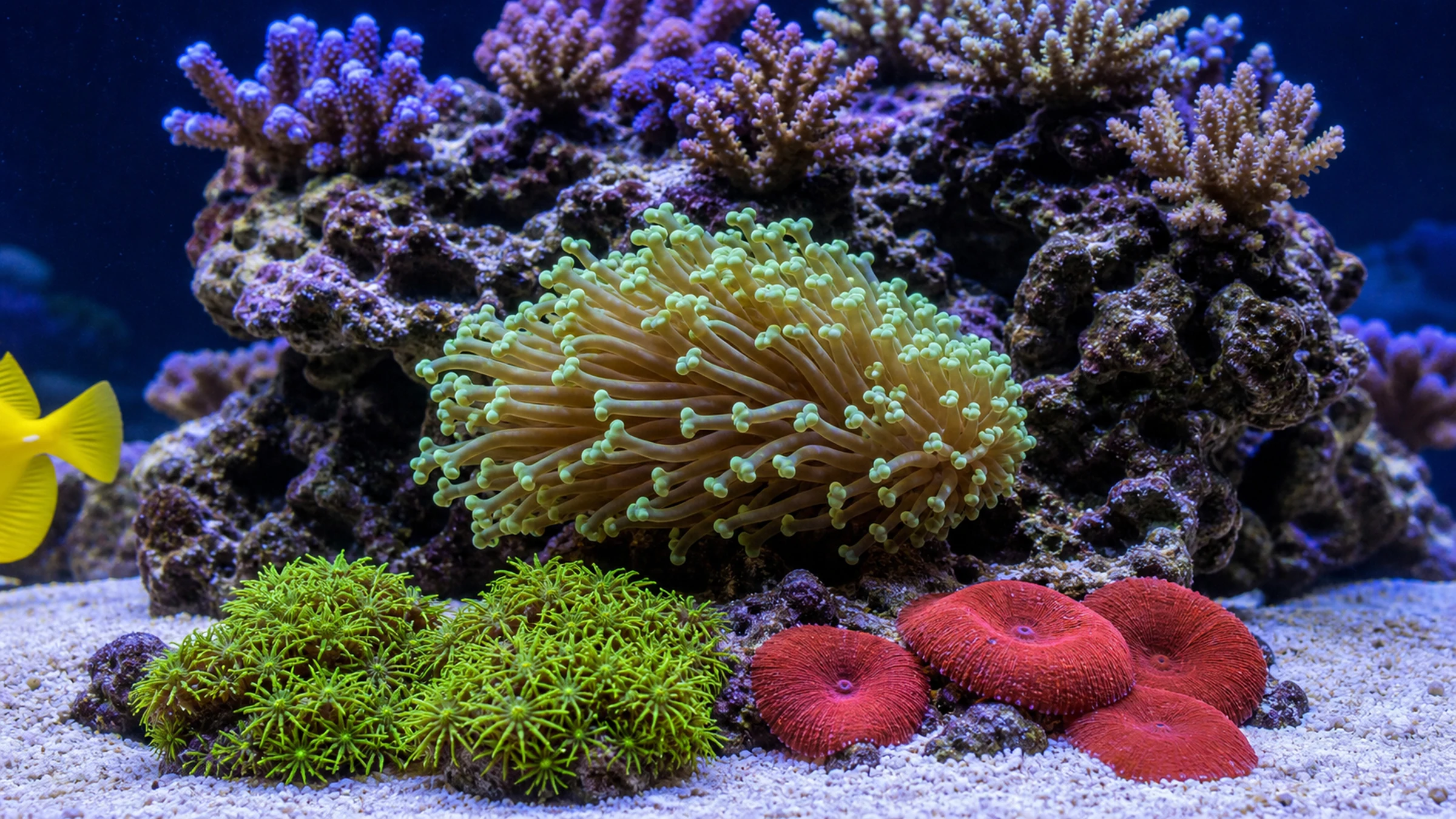
How to place corals by light and flow, PAR targets for softies, LPS, and SPS, dipping new corals for pests, and acclimating them without bleaching.
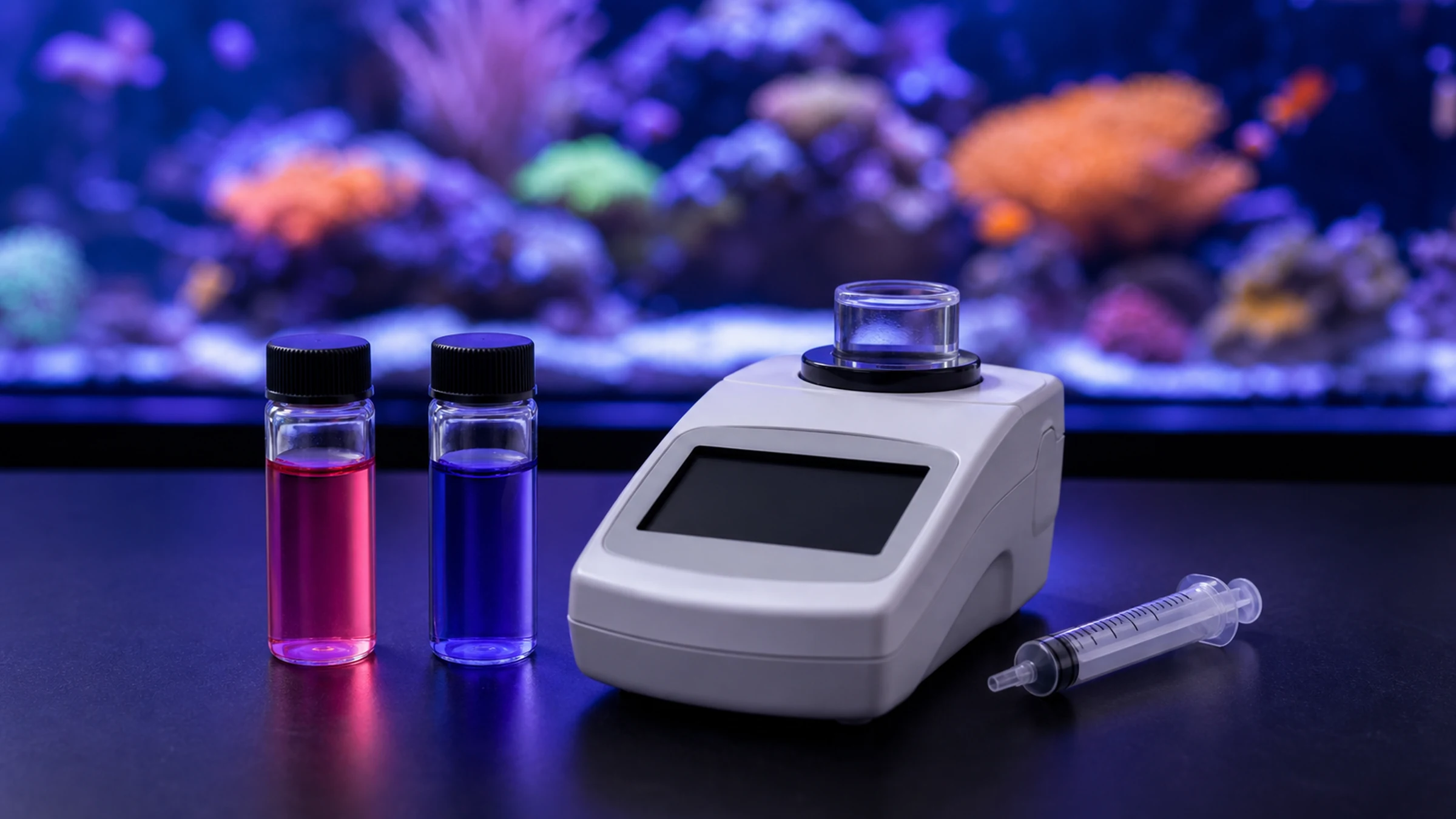
What every reef parameter means and where to keep it: salinity, temperature, pH, alkalinity, calcium, magnesium, nitrate, and phosphate.
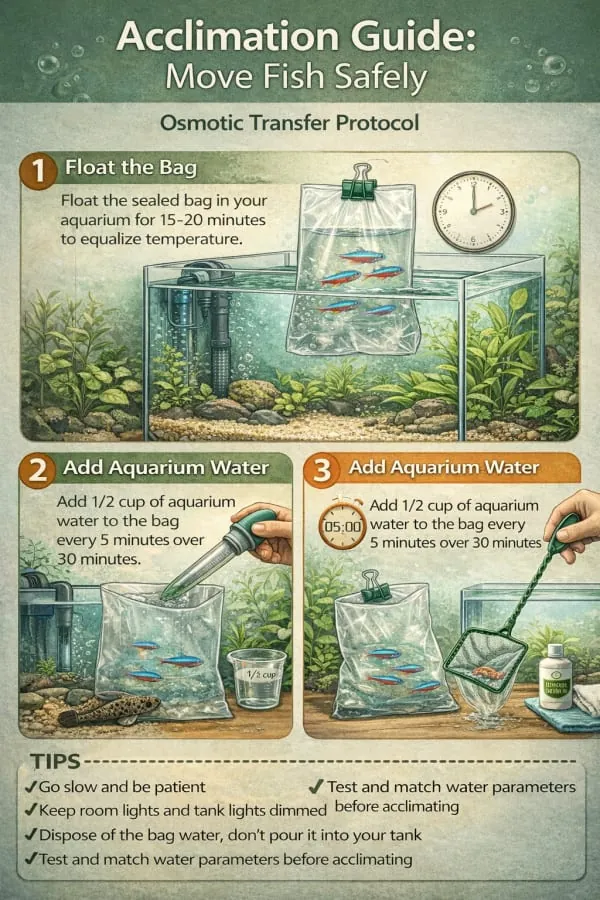
Acclimate new fish, shrimp, and coral safely: temperature floating, drip acclimation, plop-and-drop for shipped livestock, and the first 24 hours.
Keeping Micromussa Lord?
AquaLens identifies your fish and plants from a photo, tracks water chemistry, and flags health issues early — free on iOS and Android.