Pearlweed Care Guide
Hemianthus micranthemoides · Freshwater Plant
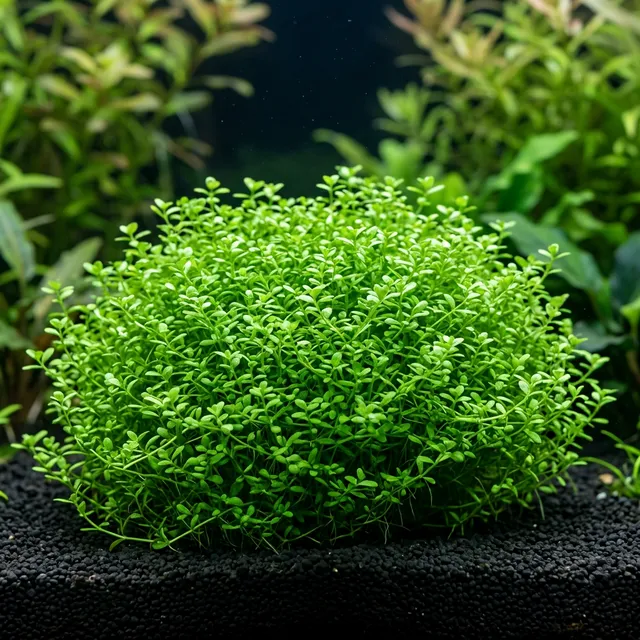
What Pearlweed look like
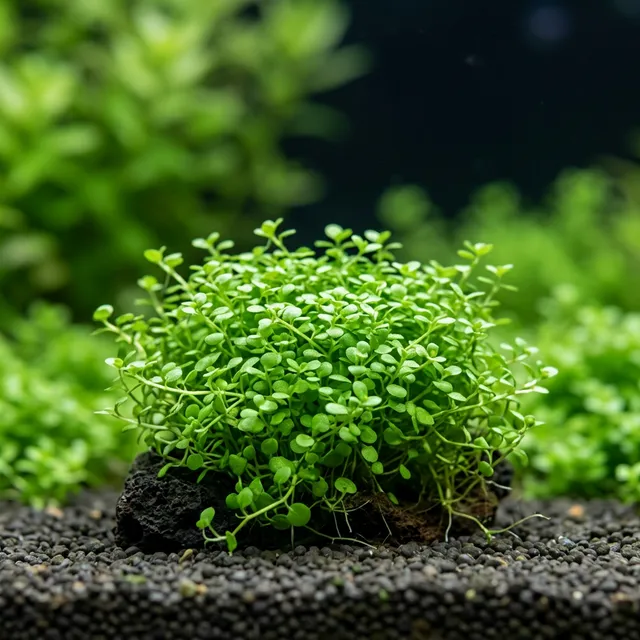
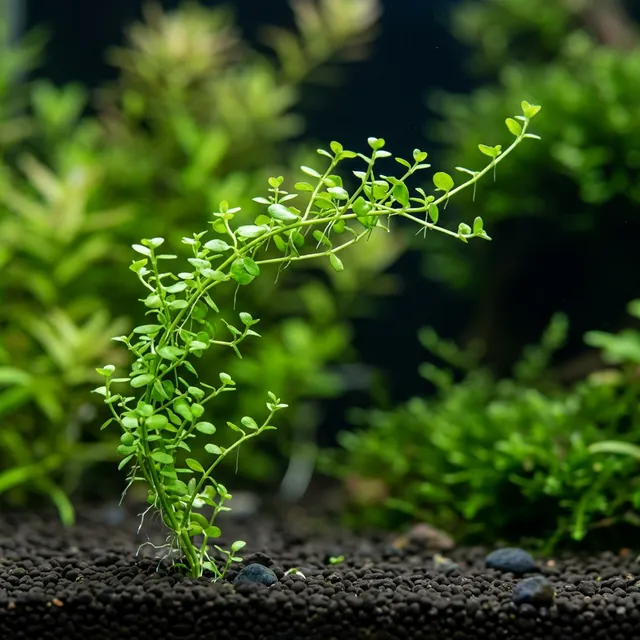
Hemianthus micranthemoides, commonly known as Pearlweed, exhibits a delicate morphology characterized by its diminutive, threadlike stems that can reach a maximum height of 15 cm under optimal conditions. The plant features tiny, oval leaves approximately 2 mm in length, arranged in whorls of three, which contribute to its dense, bushy appearance reminiscent of a moss-like carpet. The leaves are a vibrant bright green, enhancing its aesthetic appeal in aquascapes. While there is no pronounced sexual dimorphism in this species, its growth habit can vary based on environmental factors. Pearlweed's defensive adaptations include its dense growth form that can inhibit the establishment of competing flora, thus securing its niche in the substrate. Additionally, the plant's ability to thrive in a variety of light conditions makes it a resilient choice for aquarists.
Behavior & temperament
In its natural habitat, Pearlweed typically dwells in shallow, freshwater environments, favoring areas with moderate light and stable water parameters. It does not exhibit a social hierarchy as it is a non-motile aquatic plant; instead, it spreads through vegetative propagation, forming dense mats that can provide shelter for small aquatic organisms. Pearlweed is primarily a benthic plant, anchoring itself in the substrate while extending its stems upwards. Its growth rate is influenced by light availability and nutrient levels, and it can reproduce rapidly under favorable conditions. In terms of temperament, it is a peaceful plant that coexists well with other aquatic flora and fauna, contributing to the overall biodiversity of the aquarium ecosystem.
Diet & feeding
Pearlweed is an obligate photosynthetic organism, relying on light to produce energy through photosynthesis. In captivity, it requires a nutrient-rich substrate and adequate lighting to thrive, along with supplemental CO2 injection for optimal growth.
Behind the name
Hemianthus (half-flower); micranthemoides (small flower-like).
Plan your tank
Check the numbers before you buy: tank volume, a stocking plan, cycle progress, water changes, and your ongoing care routine.
Keep reading
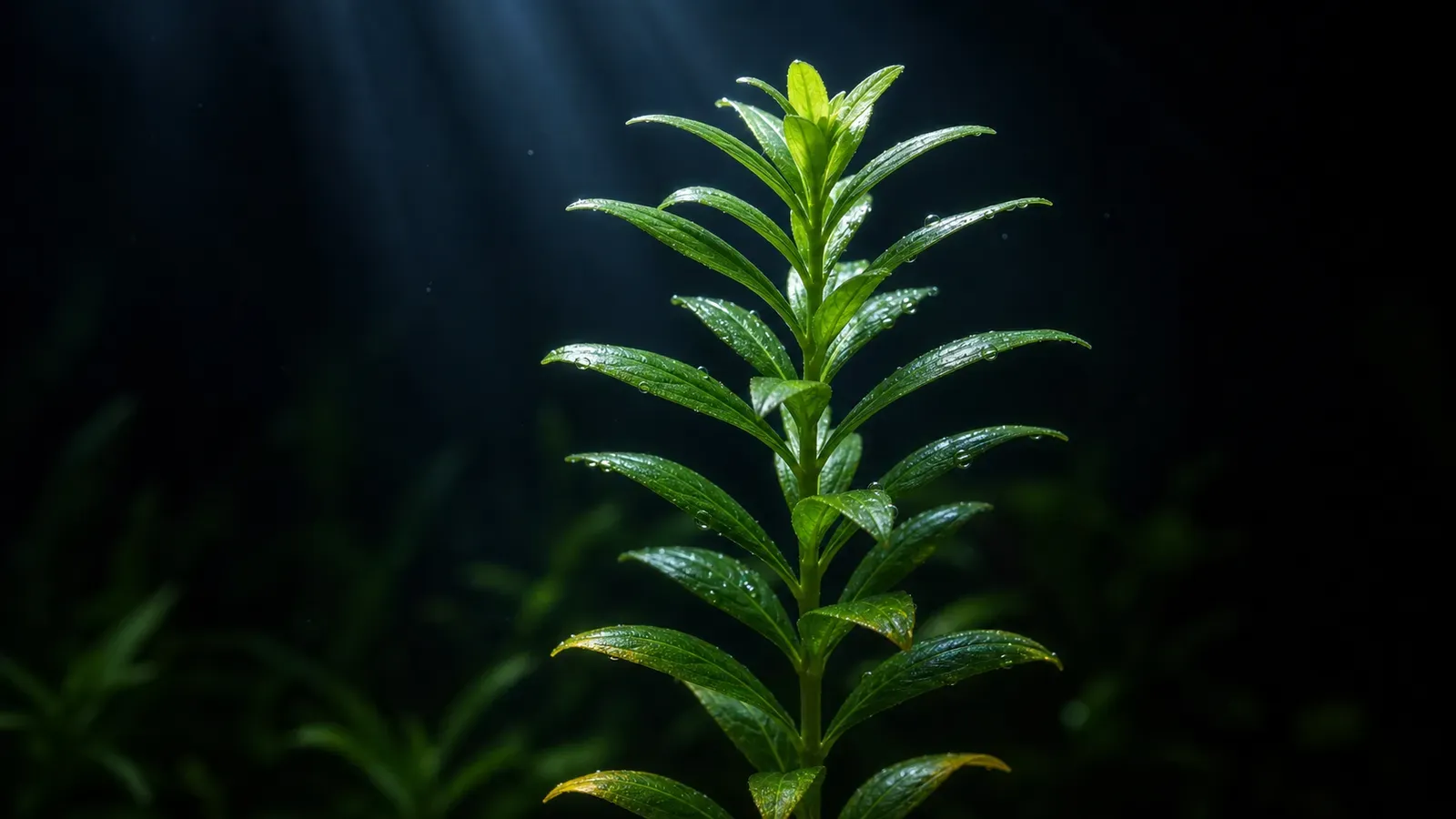
Diagnose aquarium plant deficiencies by leaf age and symptom: yellowing, pinholes, twisting, and stunting. Read the pattern, then fix it safely.
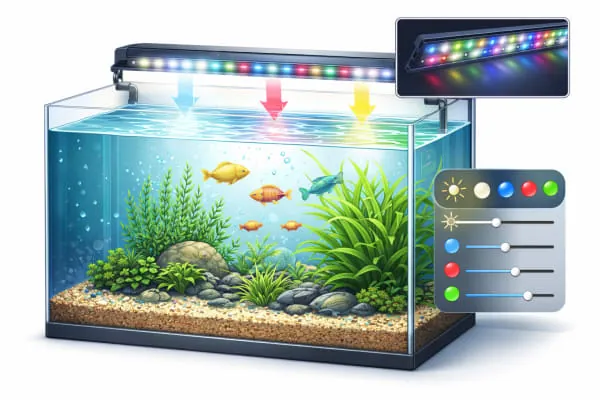
PAR-first planted tank lighting: choose intensity by what you grow, set photoperiod and spectrum, kill shadows, and hold algae back without overspending.
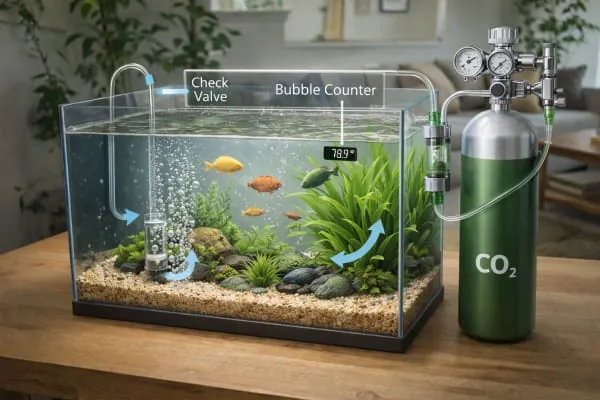
Aquarium CO₂ injection made safe: how carbon, light, and nutrients balance, which system to buy, and how to dial it in without gassing your fish.
Keeping Pearlweed?
AquaLens identifies your fish and plants from a photo, tracks water chemistry, and flags health issues early — free on iOS and Android.