Pom Pom Crab Care Guide
Lybia tessellata · Saltwater Crab
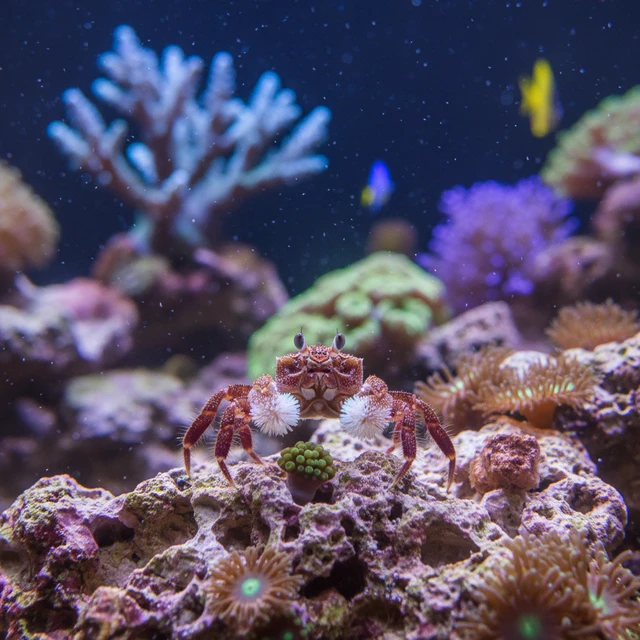
What Pom Pom Crab look like
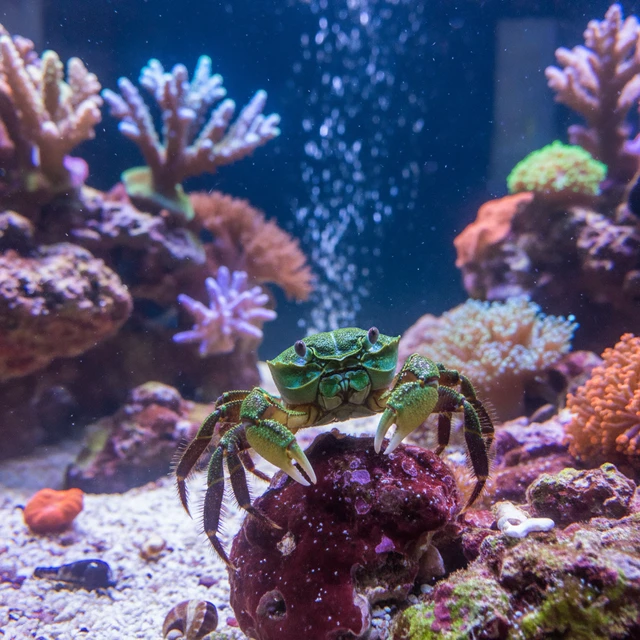
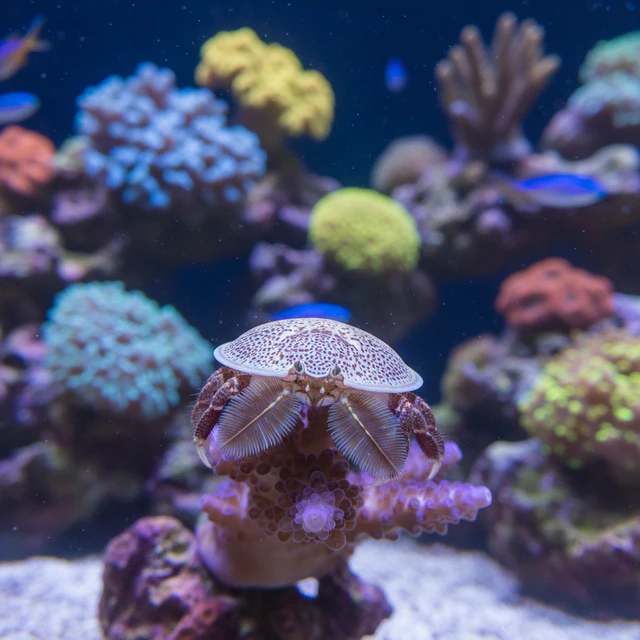
Lybia tessellata, commonly known as the Pom Pom Crab, exhibits a distinctive morphology characterized by a small, robust body that typically reaches a maximum adult size of approximately 2 inches (5 cm) in carapace width. The carapace is covered with a tessellated pattern of light and dark colors, providing effective camouflage against the substrate. Notably, this species displays sexual dimorphism, with males often possessing larger and more pronounced chelae (claws) that they use to hold onto anemones or other materials. The claws are adorned with tufts of zooxanthellae or other small organisms, enhancing their defensive adaptations by providing both protection and a means of camouflage. The Pom Pom Crab also features a broad, flattened abdomen, which aids in its burrowing behavior and allows for better maneuverability among crevices in the reef environment.
Behavior & temperament
Pom Pom Crabs are primarily solitary or can be found in small groups, exhibiting a non-aggressive temperament towards other species. They are predominantly nocturnal, spending the day concealed within crevices or under rocks and becoming more active at night. Their behavior includes the unique practice of carrying anemones or other small organisms in their claws, which they use for both defense and as a food source. This symbiotic relationship allows them to deter predators through the anemone's stinging cells. During breeding, males display courtship behaviors that may involve the presentation of their anemones to females. Their movement is characterized by quick scuttling across the substrate, and they exhibit a notable ability to retreat into their burrows rapidly when threatened.
Diet & feeding
In the wild, Lybia tessellata primarily feeds on detritus, small invertebrates, and algae. In captivity, they require a varied diet that includes high-quality marine pellets, frozen foods, and occasional live food to mimic their natural feeding habits.
Behind the name
The scientific name 'Lybia tessellata' derives from the Latin word 'tessellatus,' meaning 'tessellated' or 'checkered,' referring to the crab's distinctive patterned carapace.
Plan your tank
Check the numbers before you buy: tank volume, salinity, salt mix, water changes, and your ongoing care routine. Keeping reef? Start from the Saltwater & Reef hub.
Keep reading
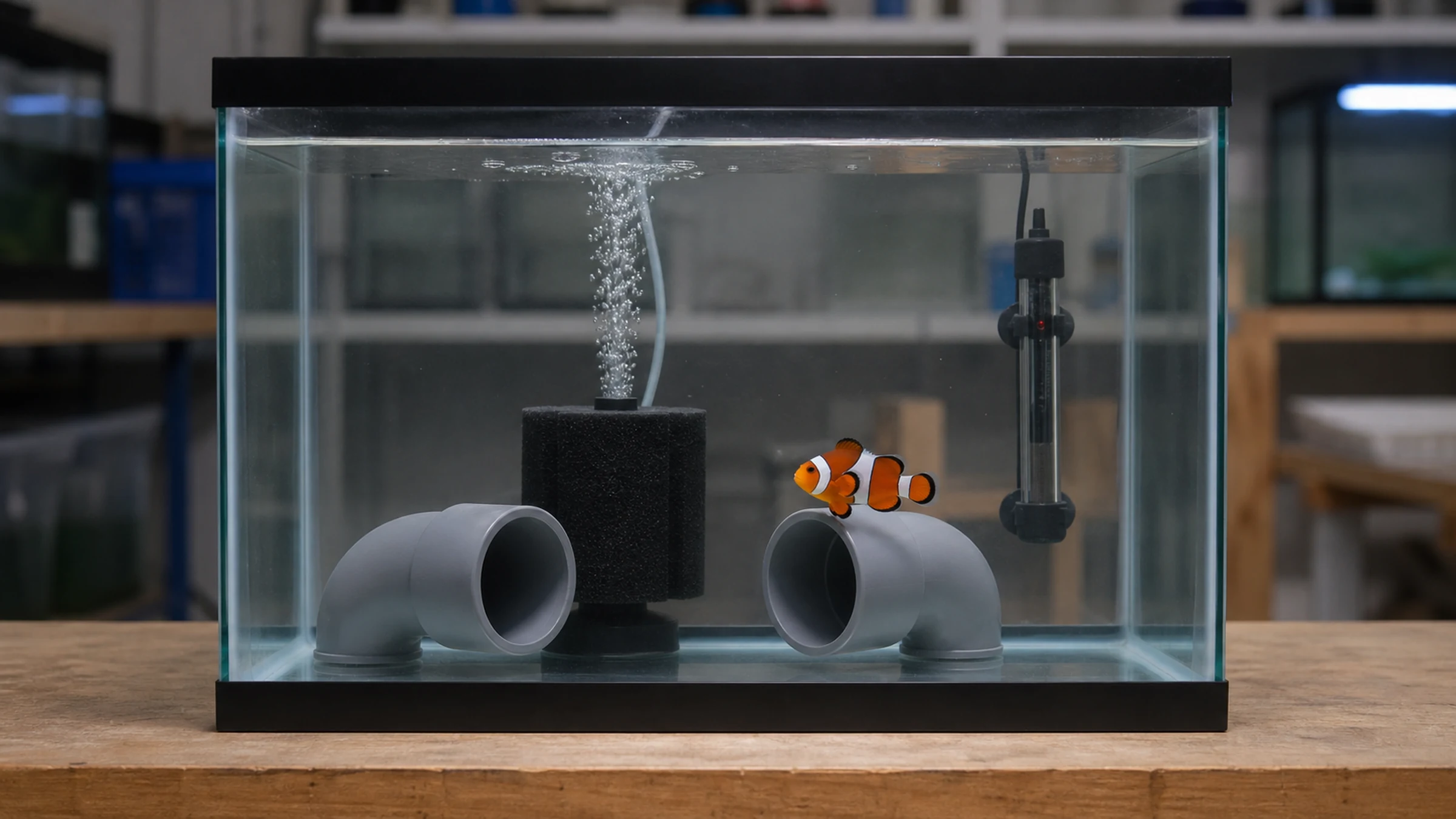
How to quarantine new saltwater fish against marine ich, velvet, and brooklynella: the QT tank, treatments, timelines, and the buy-clean shortcut.

What every reef parameter means and where to keep it: salinity, temperature, pH, alkalinity, calcium, magnesium, nitrate, and phosphate.

Choose compatible fish: school sizes, swimming zones, aggression, temperature and hardness matching, and honest bioload math for a peaceful community.
Keeping Pom Pom Crab?
AquaLens identifies your fish and plants from a photo, tracks water chemistry, and flags health issues early — free on iOS and Android.