Small Scale Cyprichromis Care Guide
Cyprichromis microlepidotus Kasai · Freshwater Fish
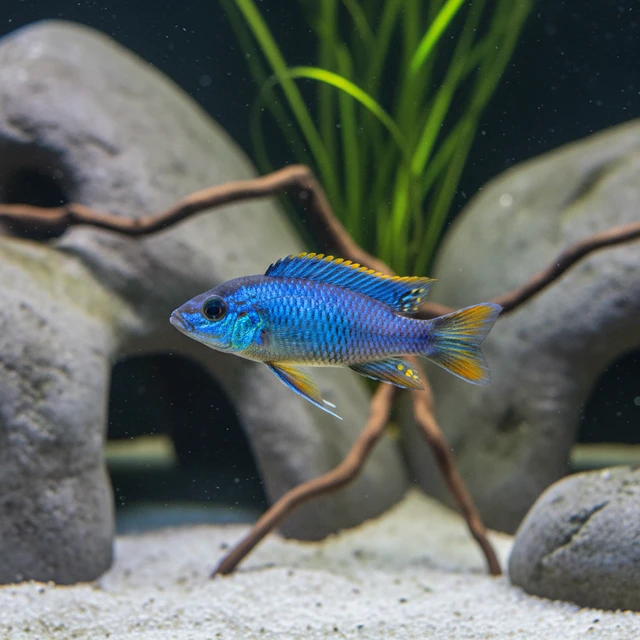
What Small Scale Cyprichromis look like
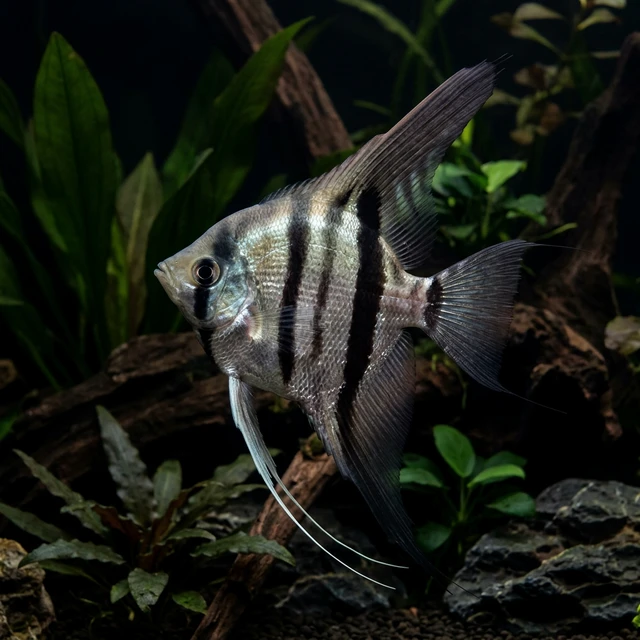
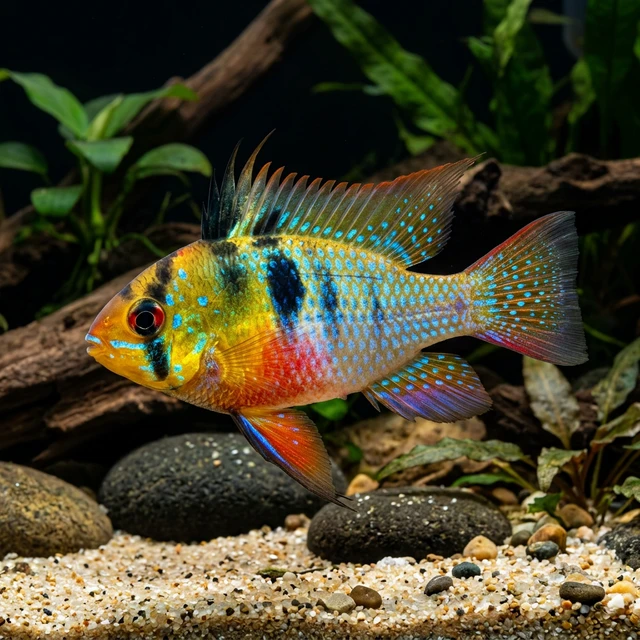
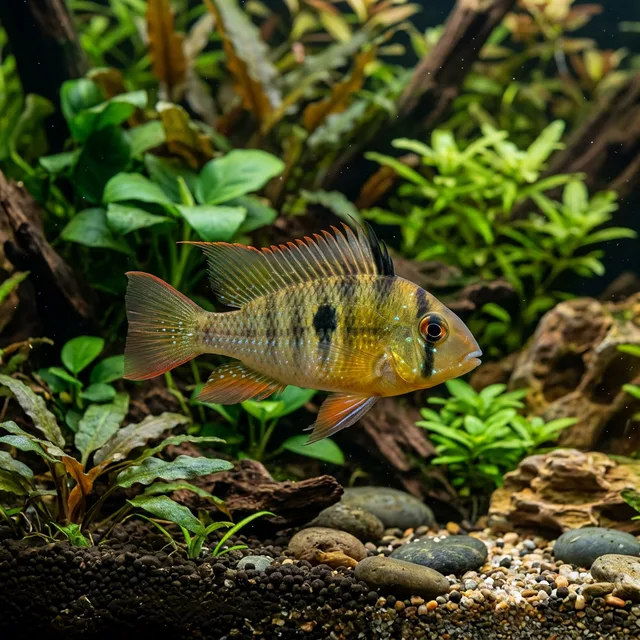
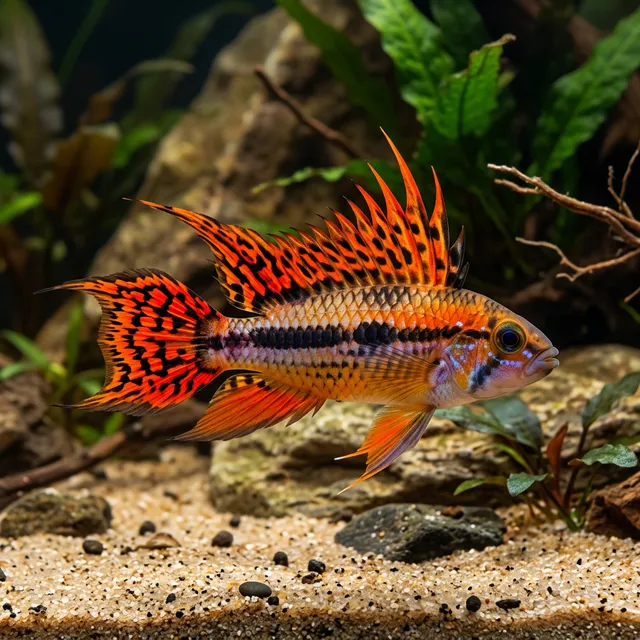
Cyprichromis microlepidotus exhibits a fusiform, laterally compressed body that is well-adapted for open-water schooling. Adults typically reach a maximum size of 4-5 inches (10-12.5 cm), with males displaying more vibrant coloration compared to females, showcasing a striking blue body adorned with yellow or violet hues on the tail fin, which is a key aspect of sexual dimorphism. The species features a prominent lateral line, which aids in hydrodynamic sensing, and possesses a well-developed dorsal fin that extends along much of the back, contributing to its streamlined shape. Defensive adaptations include a schooling behavior that reduces individual predation risk and a rapid swimming ability. The dentition is characteristic of a microphagous diet, with small, closely spaced teeth suited for grazing on planktonic organisms.
Behavior & temperament
Inhabiting the pelagic zone of Lake Tanganyika, Cyprichromis microlepidotus is an obligate schooler, often found in large, cohesive groups that exhibit a strong social hierarchy. These fish display a peaceful temperament, although males can exhibit territorial behavior during breeding periods. Breeding occurs through egg scattering, where females release eggs into the water column, and males fertilize them externally. The species is known for its dynamic swimming patterns, often darting and hovering in the water column, which enhances their foraging efficiency and provides safety in numbers against potential predators.
Diet & feeding
In the wild, Cyprichromis microlepidotus primarily feeds on zooplankton and small invertebrates, necessitating a diet rich in protein sources. In captivity, they thrive on high-quality flake foods, frozen or live foods such as brine shrimp and daphnia, and should be provided with a balanced omnivorous diet to ensure optimal health.
Behind the name
Cyprichromis (Cyprinid color); microlepidotus (small scale).
Plan your tank
Check the numbers before you buy: tank volume, a stocking plan, cycle progress, water changes, and your ongoing care routine.
Keep reading

Choose compatible fish: school sizes, swimming zones, aggression, temperature and hardness matching, and honest bioload math for a peaceful community.
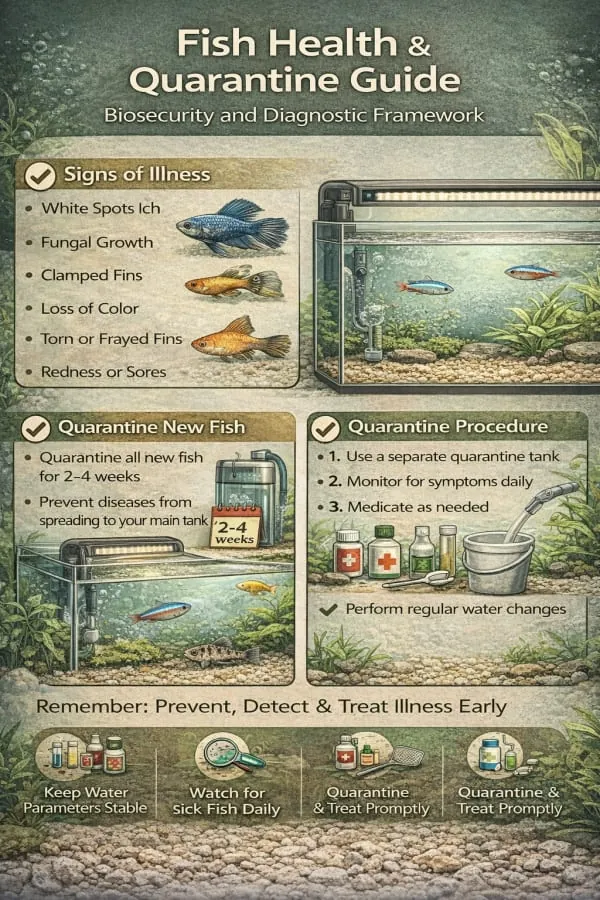
Quarantine new fish, spot the early warning signs, and treat disease without wrecking your tank. A practical freshwater fish health guide.
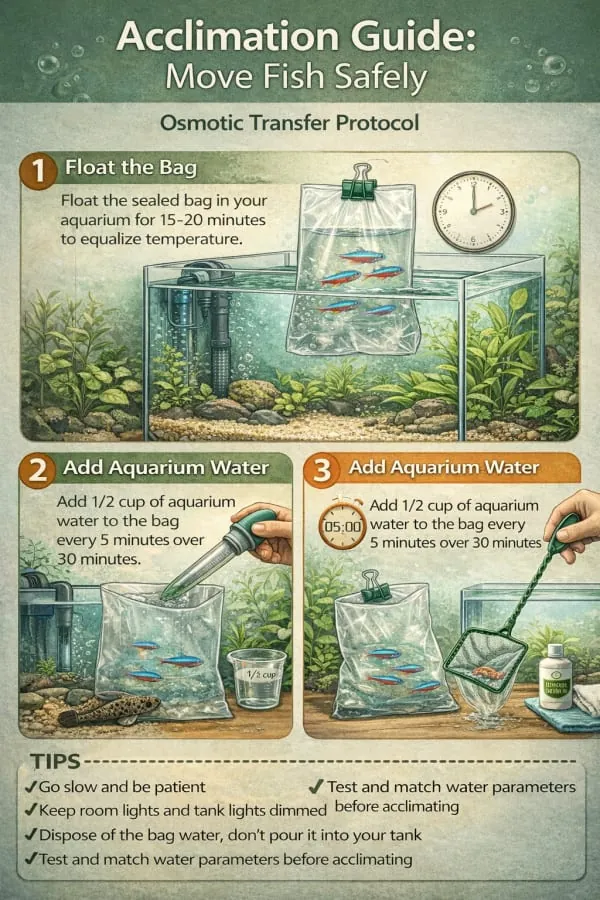
Acclimate new fish, shrimp, and coral safely: temperature floating, drip acclimation, plop-and-drop for shipped livestock, and the first 24 hours.
Keeping Small Scale Cyprichromis?
AquaLens identifies your fish and plants from a photo, tracks water chemistry, and flags health issues early — free on iOS and Android.