Variatus Platy Care Guide
Xiphophorus variatus · Freshwater Fish
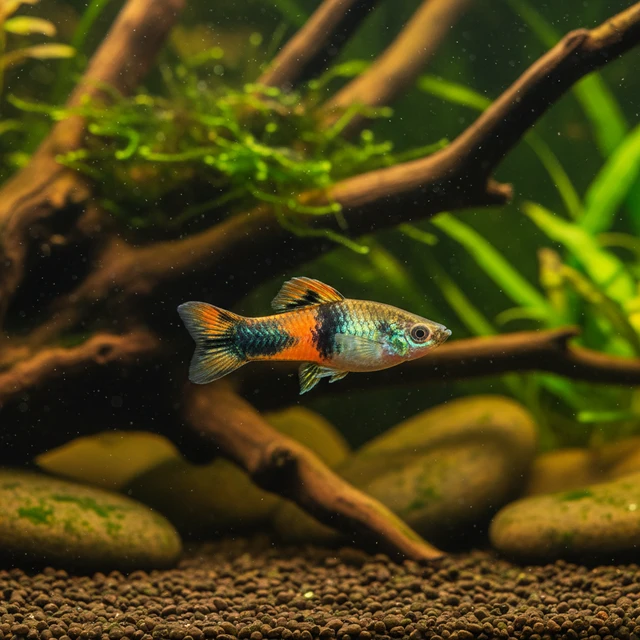
What Variatus Platy look like
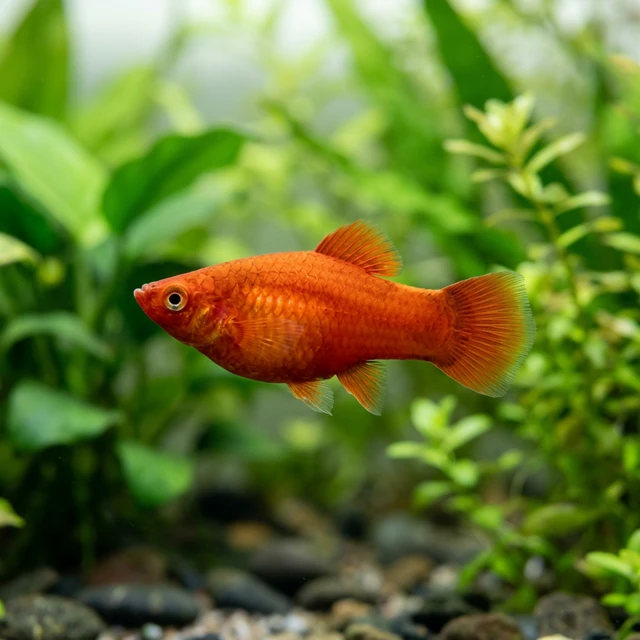
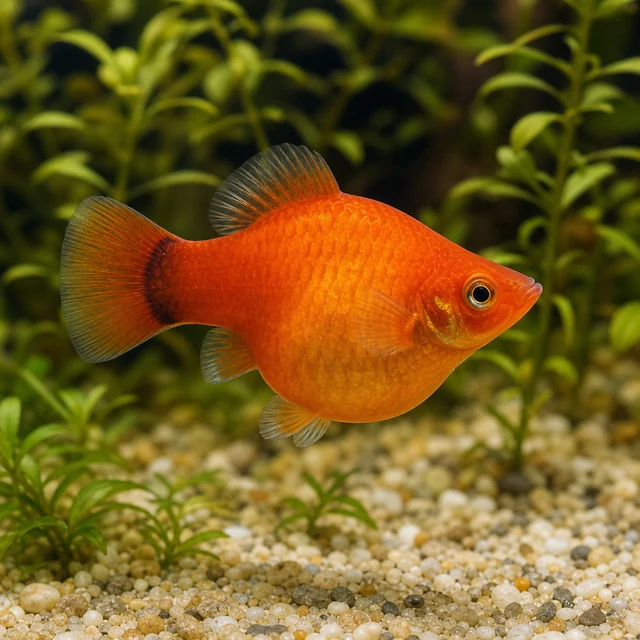
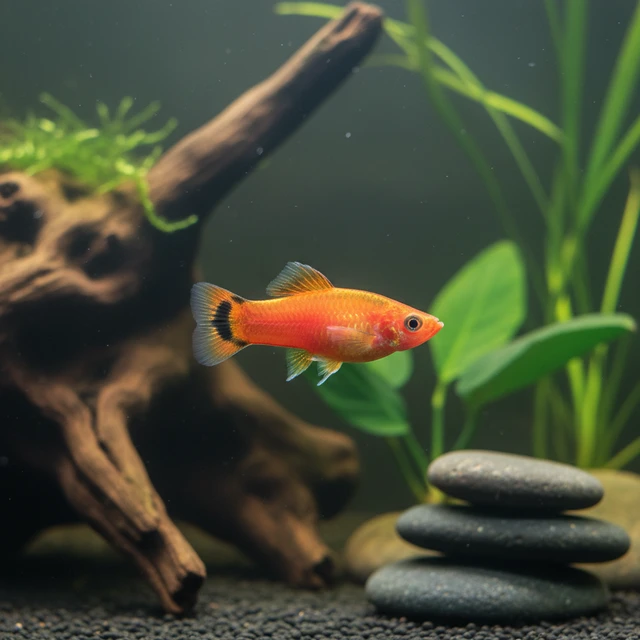
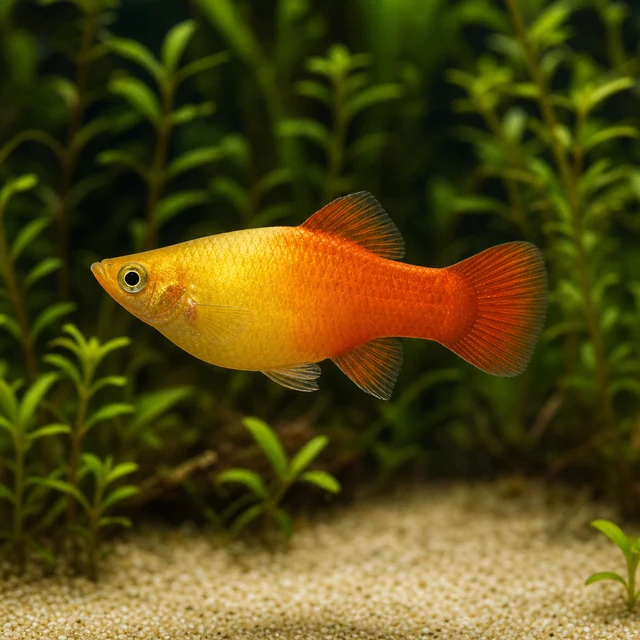
Xiphophorus variatus, commonly known as the Variatus Platy, exhibits a compact and robust body form, typically ranging from 2 to 3 inches in length, with some individuals reaching up to 4 inches under optimal conditions. The species is characterized by its laterally compressed body, which allows for agile movement in its natural habitat. Sexual dimorphism is evident, with males displaying more vibrant coloration and intricate patterns compared to the more subdued hues of females. Notably, the males lack the elongated sword-like extension found in some other members of the Poeciliidae family, presenting instead a rounded caudal fin. The dorsal fin is moderately sized and positioned towards the rear of the body, while the anal fin is well-developed, contributing to the overall stability of the fish. Variatus Platies possess a distinct lateral line system, aiding in their sensory perception, and exhibit a robust dentition suited for their omnivorous diet. Their coloration varies widely, with hues ranging from bright reds and oranges to more muted tones, often with speckles or patterns that enhance their visual appeal.
Behavior & temperament
The Variatus Platy is a social fish that thrives in groups, exhibiting a tendency to form loose schools within the water column, primarily occupying the mid to upper strata. They are generally peaceful and can coexist with a variety of tank mates, although males may display mild territorial behavior during breeding. Breeding occurs through live-bearing, with females giving birth to fully formed fry after a gestation period of approximately 28 days. The species is known for its relatively high reproductive rate, with females capable of producing multiple broods throughout the year. Their temperament is generally calm, making them suitable for community aquariums, although care should be taken to monitor male-to-female ratios to minimize aggressive interactions.
Diet & feeding
In the wild, Xiphophorus variatus is an omnivorous feeder, consuming a varied diet that includes algae, detritus, and small invertebrates. In captivity, they thrive on a balanced diet of high-quality flake foods, supplemented with live or frozen foods such as brine shrimp and daphnia, alongside plant matter to ensure optimal health and coloration.
Behind the name
The genus name 'Xiphophorus' is derived from the Greek words 'xiphos' (sword) and 'phoros' (bearing), referring to the sword-like extension found in some species, while 'variatus' is Latin for 'varied' or 'diverse', reflecting the species' wide range of color variations.
Plan your tank
Check the numbers before you buy: tank volume, a stocking plan, cycle progress, water changes, and your ongoing care routine.
Keep reading

Choose compatible fish: school sizes, swimming zones, aggression, temperature and hardness matching, and honest bioload math for a peaceful community.
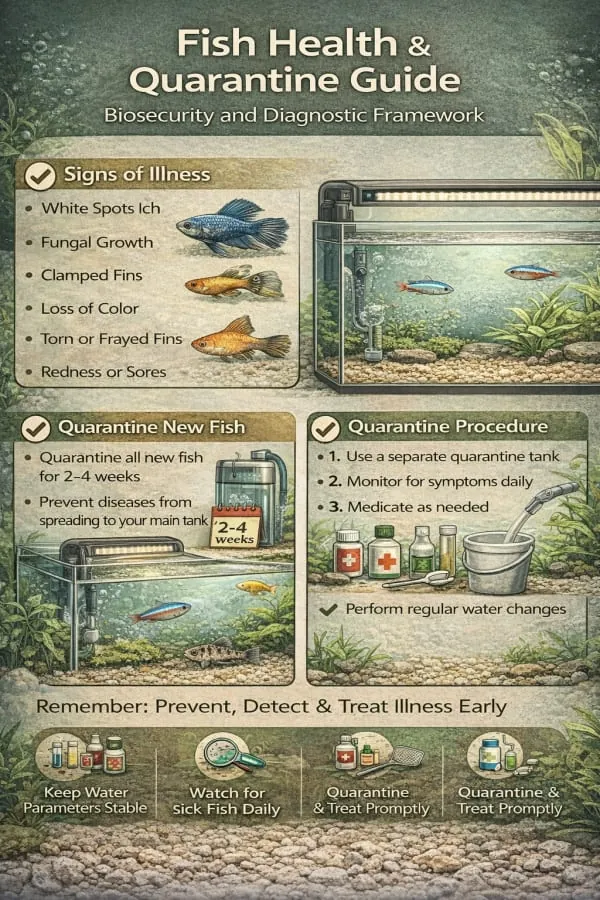
Quarantine new fish, spot the early warning signs, and treat disease without wrecking your tank. A practical freshwater fish health guide.

Acclimate new fish, shrimp, and coral safely: temperature floating, drip acclimation, plop-and-drop for shipped livestock, and the first 24 hours.
Keeping Variatus Platy?
AquaLens identifies your fish and plants from a photo, tracks water chemistry, and flags health issues early — free on iOS and Android.