Yellowtail Rasbora Care Guide
Rasbora tornieri · Freshwater Fish
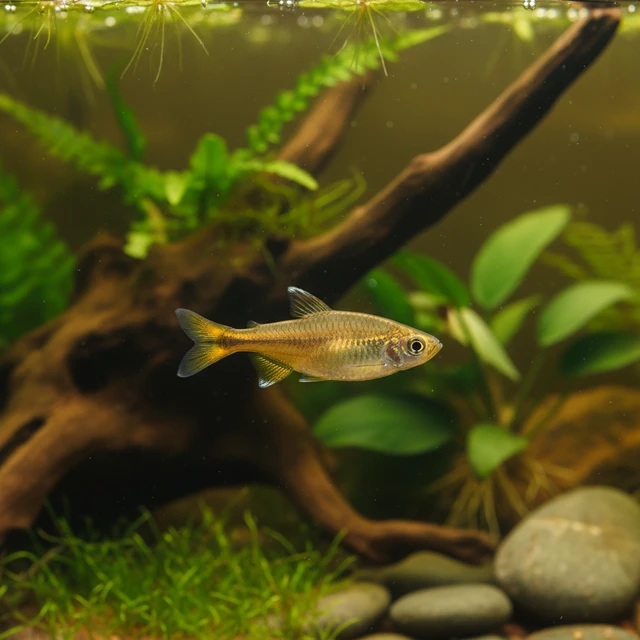
What Yellowtail Rasbora look like
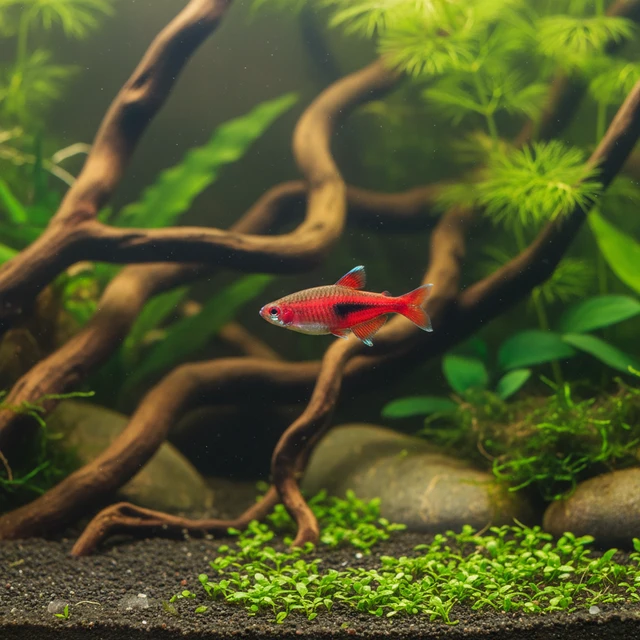
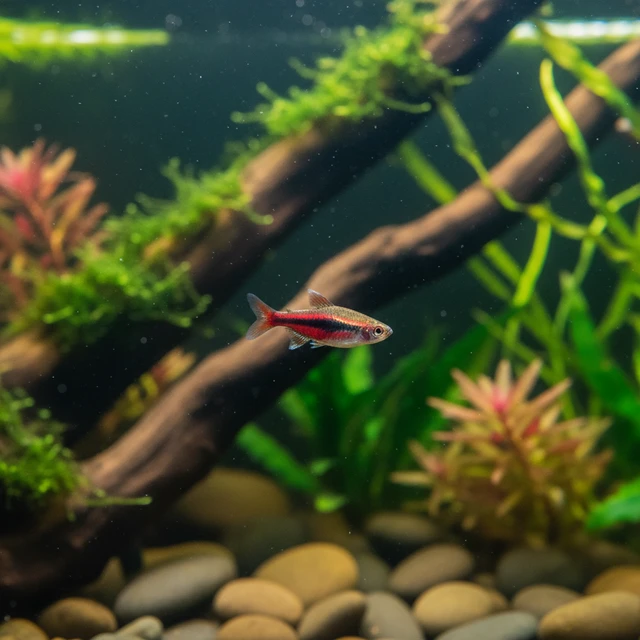
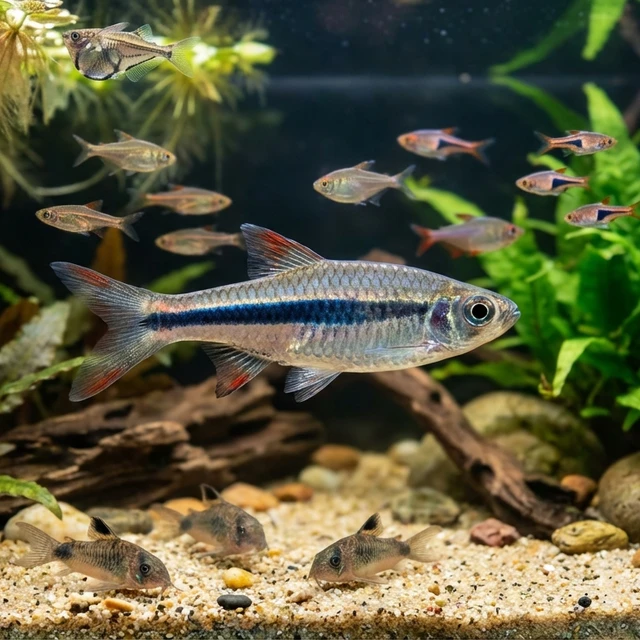
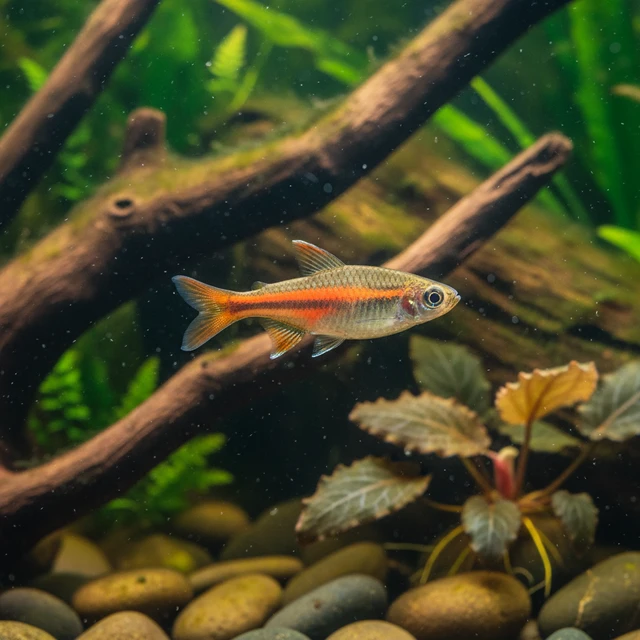
Rasbora tornieri, commonly known as the Yellowtail Rasbora, exhibits a laterally compressed, fusiform body that typically reaches a maximum adult size of 3 inches (7.5 cm). The species is characterized by its striking silver body, which contrasts vividly with its distinctive yellow to golden caudal fin, a key morphological feature that aids in identification. Sexual dimorphism is subtle, with females generally being slightly larger and rounder than males, particularly during the breeding season when they become more pronounced in girth due to egg development. Defensive adaptations include a streamlined body shape that facilitates rapid swimming to evade predators. The species lacks prominent defensive structures but possesses a lateral line system that aids in detecting movement and vibrations in the water, enhancing its ability to navigate and avoid threats. The dorsal fin is moderately sized and set far back on the body, while the anal fin is elongated, contributing to its agile swimming capabilities.
Behavior & temperament
The Yellowtail Rasbora is a highly social species, often found in small to medium-sized schools, which provides safety in numbers against potential predators. It primarily occupies the mid-water column, exhibiting pelagic behavior as it actively swims and forages. Breeding behavior is characterized by egg scattering, where females release eggs among vegetation, allowing for a degree of protection from predation. The species is generally peaceful and exhibits a calm temperament, making it suitable for community tanks. However, it can display slight territoriality during breeding periods, particularly among males vying for female attention, but this behavior is typically mild and resolves quickly.
Diet & feeding
In the wild, the Yellowtail Rasbora is an omnivore, feeding on a varied diet that includes small invertebrates, plant matter, and detritus. In captivity, it thrives on a balanced diet of high-quality flake food, supplemented with live or frozen foods such as brine shrimp and daphnia to ensure optimal health and coloration.
Behind the name
The genus name 'Rasbora' is derived from the Malay word 'rasborah', which refers to a type of fish, while the species name 'tornieri' honors the French naturalist, Léon Tornier, who contributed to the study of Southeast Asian fish.
Plan your tank
Check the numbers before you buy: tank volume, a stocking plan, cycle progress, water changes, and your ongoing care routine.
Keep reading
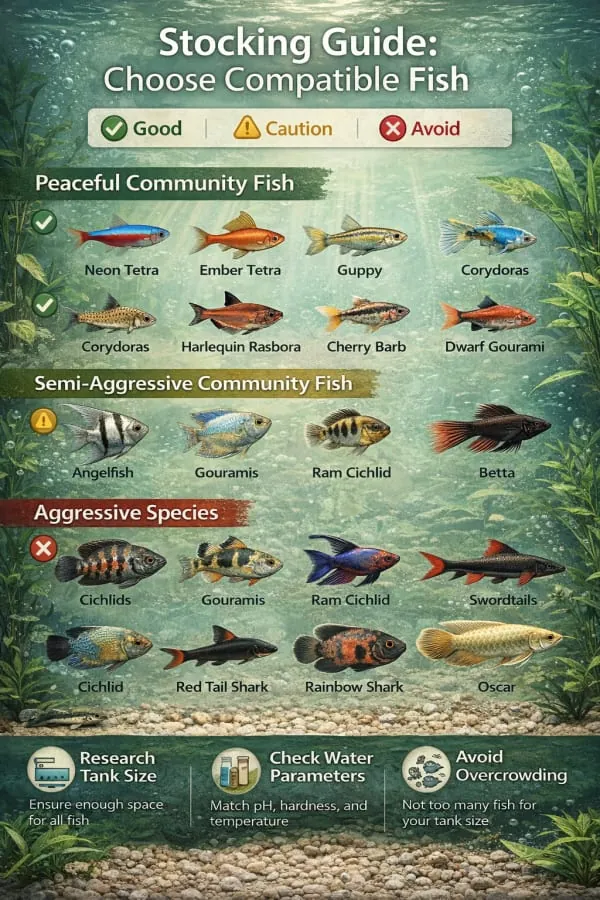
Choose compatible fish: school sizes, swimming zones, aggression, temperature and hardness matching, and honest bioload math for a peaceful community.
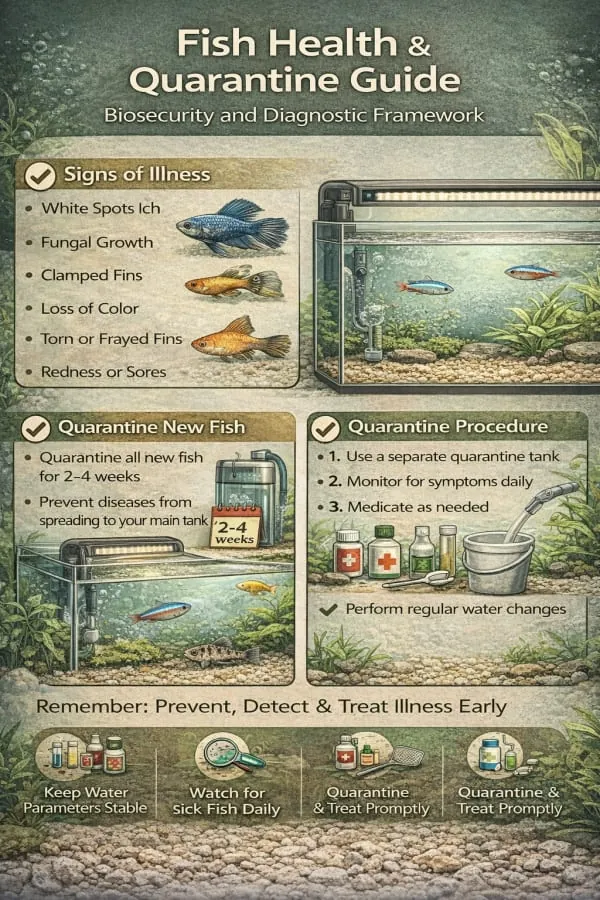
Quarantine new fish, spot the early warning signs, and treat disease without wrecking your tank. A practical freshwater fish health guide.
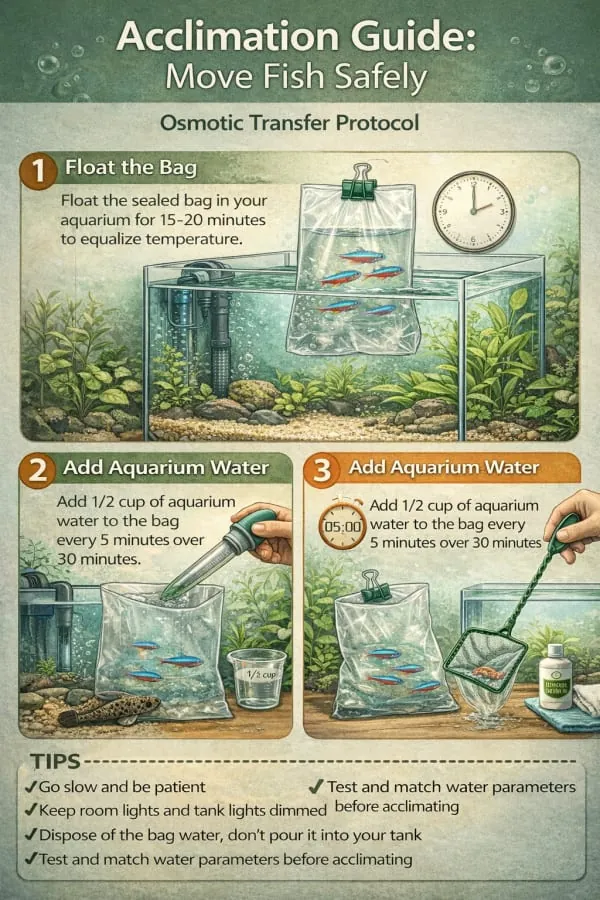
Acclimate new fish, shrimp, and coral safely: temperature floating, drip acclimation, plop-and-drop for shipped livestock, and the first 24 hours.
Keeping Yellowtail Rasbora?
AquaLens identifies your fish and plants from a photo, tracks water chemistry, and flags health issues early — free on iOS and Android.