Cryptocoryne Parva Care Guide
Cryptocoryne parva · Freshwater Plant
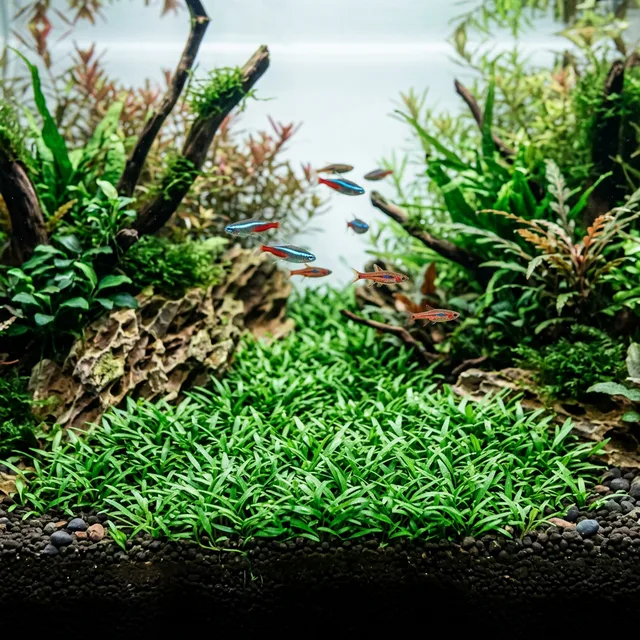
What Cryptocoryne Parva look like
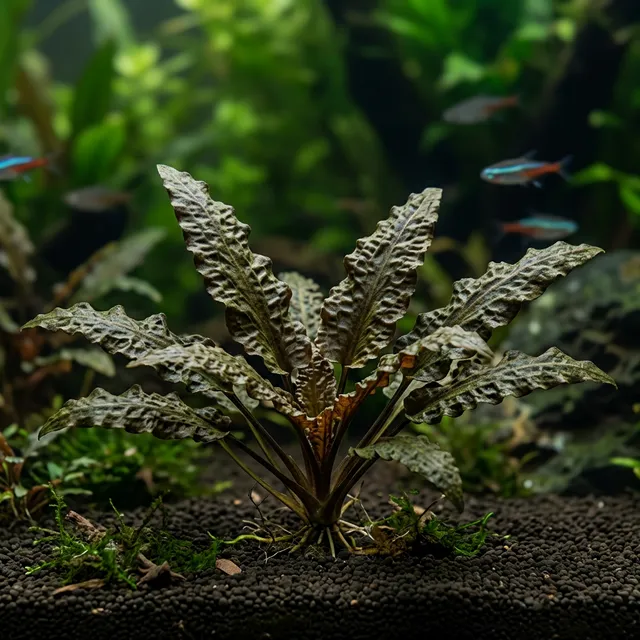
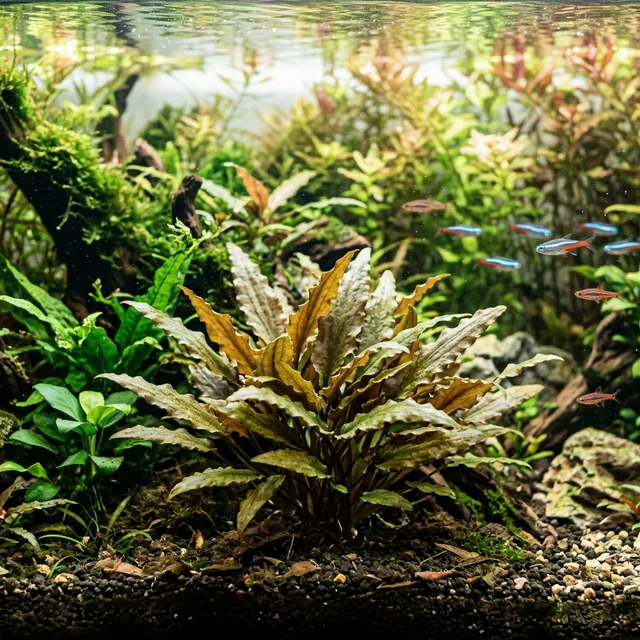
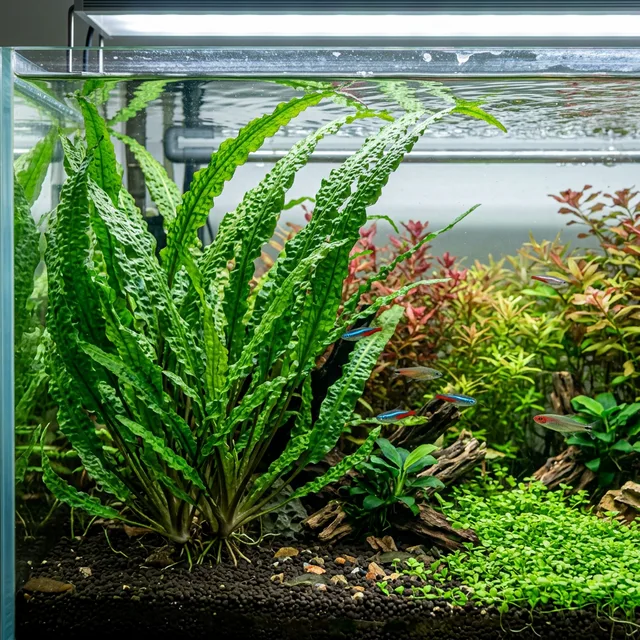
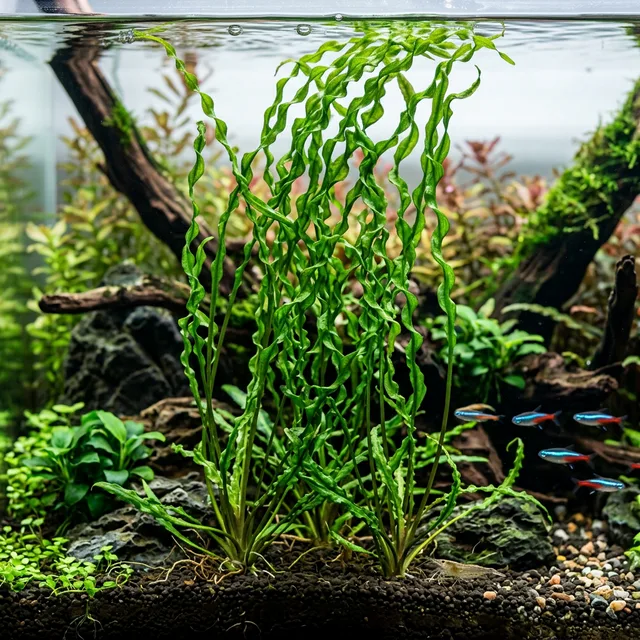
Cryptocoryne parva is the smallest known species within the genus Cryptocoryne, characterized by its diminutive stature, typically reaching a maximum height of only 1-2 inches (2.5-5 cm). The plant exhibits a dense carpet-like growth habit, forming rosettes comprised of 4-8 narrow, spatula-shaped leaves that radiate from a central point at the substrate level. The leaves are smooth-edged and display a vivid green coloration, contributing to its aesthetic appeal in aquascaping. This species lacks significant sexual dimorphism, as both male and female plants exhibit similar morphological traits. Cryptocoryne parva possesses a unique adaptation for low-light environments, allowing it to thrive in shaded aquatic habitats. Its slow growth rate further emphasizes its specialized niche, making it an ideal choice for advanced aquarists seeking to create intricate underwater landscapes.
Behavior & temperament
In its natural habitat of Sri Lanka, Cryptocoryne parva typically dwells in shallow, slow-moving waters, often found in densely vegetated areas. It exhibits a solitary growth pattern rather than forming large colonies, which is characteristic of some other aquatic plants. The species does not engage in aggressive behaviors, instead relying on its camouflage and low growth form to avoid herbivory. Breeding in Cryptocoryne species generally involves the production of flowers above the water surface, with pollination occurring through insect activity. However, the specific reproductive behaviors of Cryptocoryne parva in the wild remain less documented, as its primary propagation occurs through vegetative means, such as runners or offsets.
Diet & feeding
Cryptocoryne parva is primarily autotrophic, relying on photosynthesis for its nutritional needs. In captivity, it requires a nutrient-rich substrate and adequate lighting to support its slow growth and vibrant coloration, with occasional supplementation of liquid fertilizers to enhance its health.
Behind the name
Cryptocoryne (hidden horn); parva (small).
Plan your tank
Check the numbers before you buy: tank volume, a stocking plan, cycle progress, water changes, and your ongoing care routine.
Keep reading
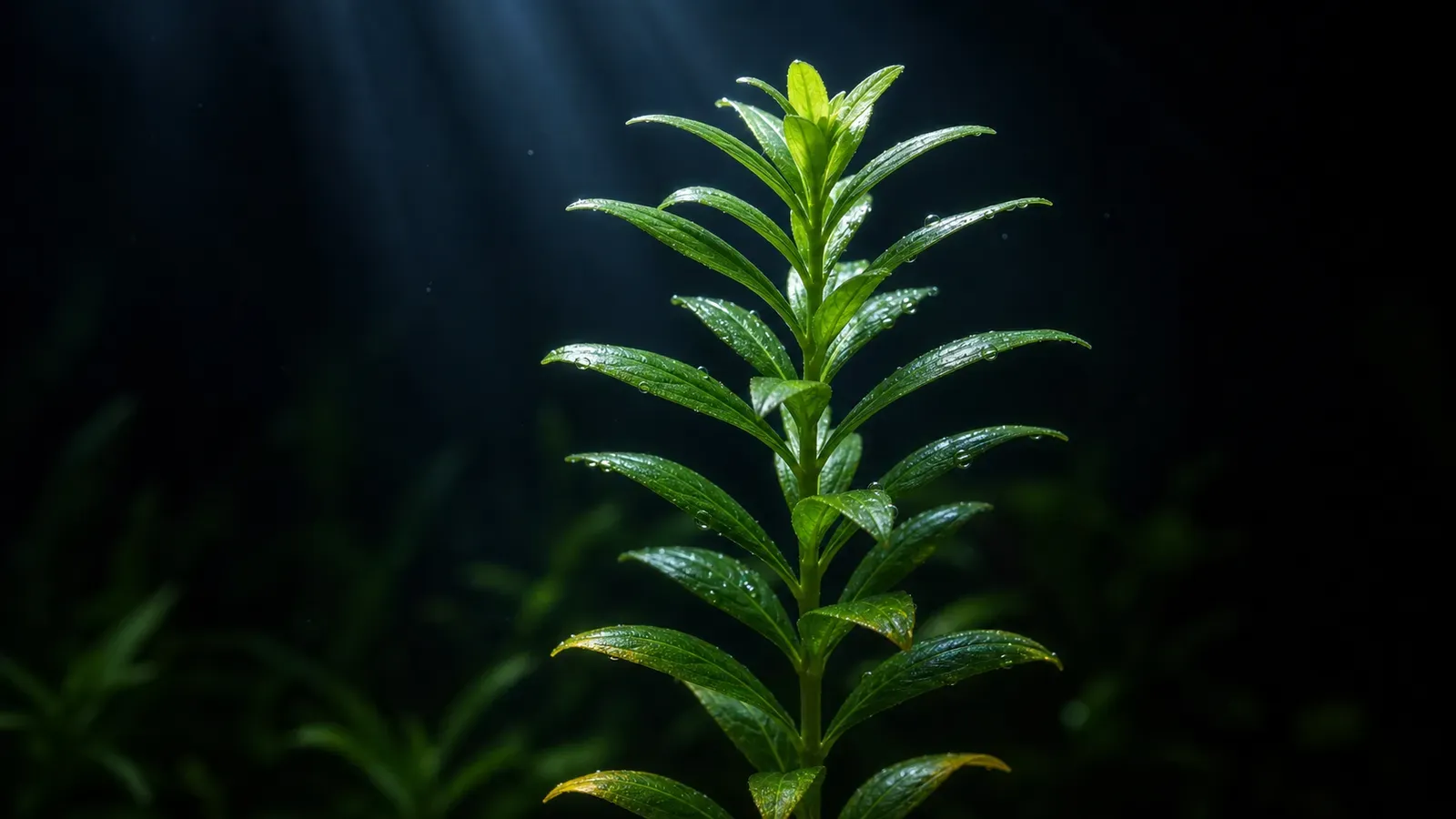
Diagnose aquarium plant deficiencies by leaf age and symptom: yellowing, pinholes, twisting, and stunting. Read the pattern, then fix it safely.
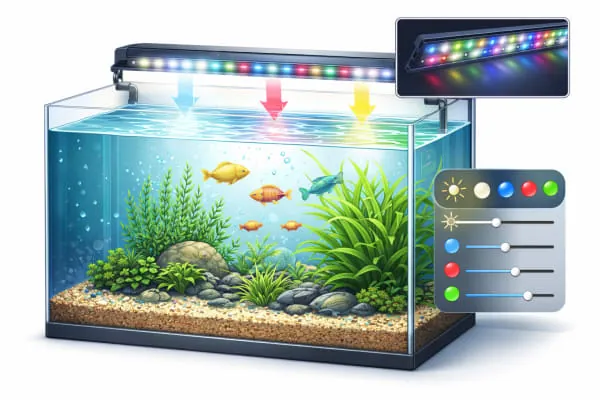
PAR-first planted tank lighting: choose intensity by what you grow, set photoperiod and spectrum, kill shadows, and hold algae back without overspending.

Aquarium CO₂ injection made safe: how carbon, light, and nutrients balance, which system to buy, and how to dial it in without gassing your fish.
Keeping Cryptocoryne Parva?
AquaLens identifies your fish and plants from a photo, tracks water chemistry, and flags health issues early — free on iOS and Android.