Eggers Killifish Care Guide
Nothobranchius eggersi · Freshwater Fish
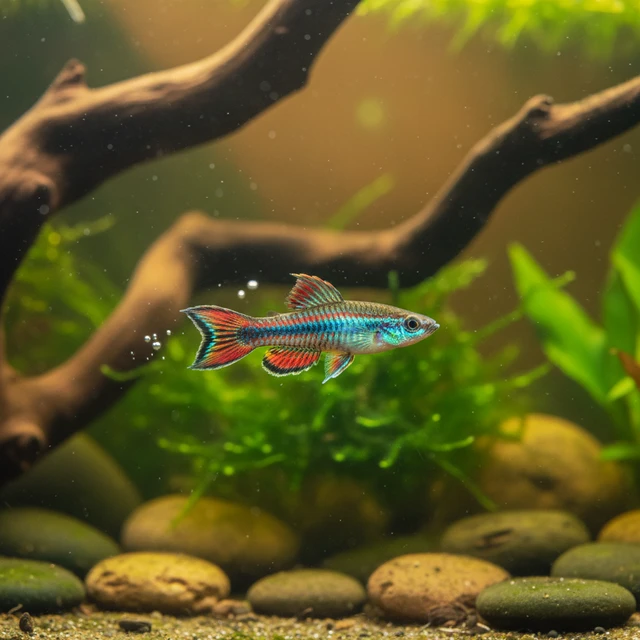
What Eggers Killifish look like
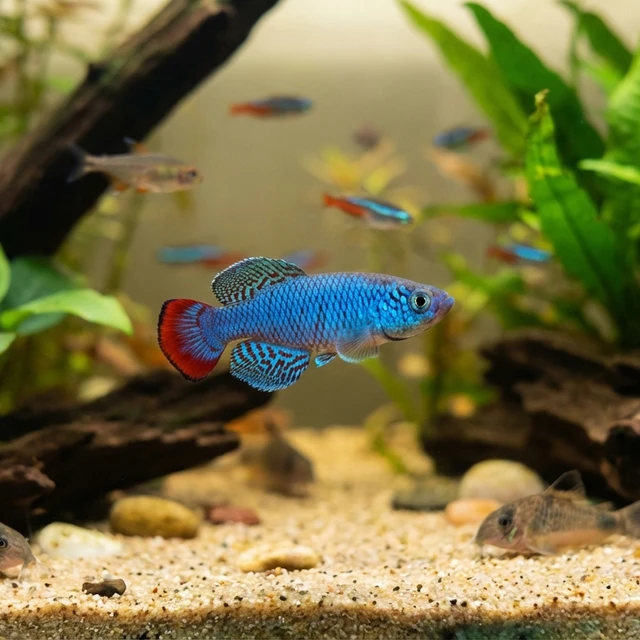
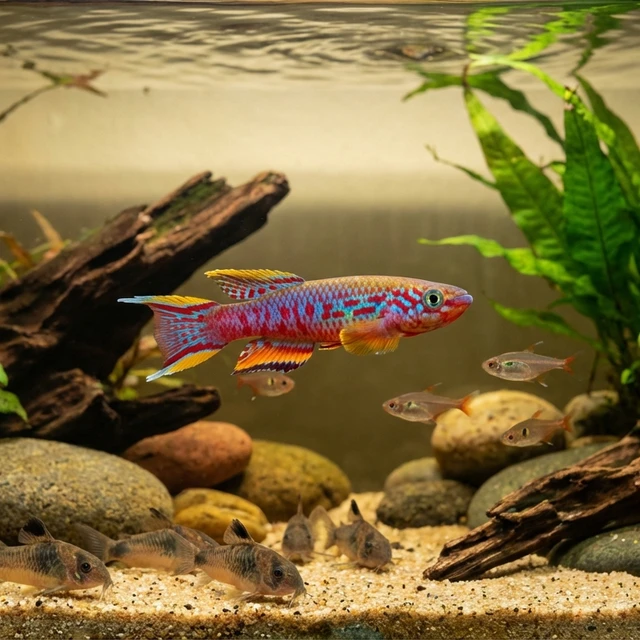
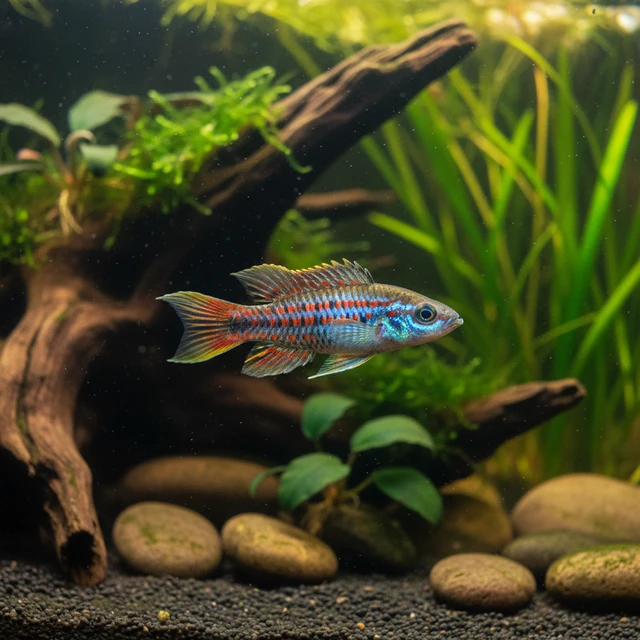
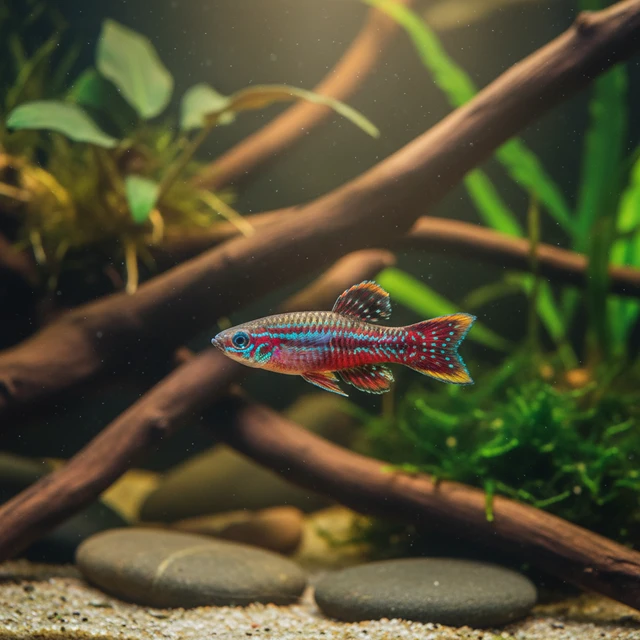
Nothobranchius eggersi, commonly known as the Eggers Killifish, exhibits a small, fusiform body shape that typically reaches a maximum adult size of approximately 2 inches (5 cm). Males are particularly striking, displaying a vivid coloration that ranges from deep blue to bright orange, often accented by intricate red patterns on their fins, which serve as a visual signal during mating displays. Females are generally more subdued in color, exhibiting a less vibrant palette that aids in camouflage. This species possesses a well-developed lateral line system, which is crucial for detecting vibrations in their often shallow, ephemeral habitats. Notable morphological adaptations include a relatively large dorsal fin that extends towards the caudal fin, enhancing maneuverability in their dynamic aquatic environment. Their dentition is adapted for a carnivorous diet, featuring small, sharp teeth ideal for capturing small invertebrates.
Behavior & temperament
The Eggers Killifish is primarily a solitary species, although males may exhibit territorial behavior during the breeding season. They inhabit shallow, temporary pools and are predominantly benthic dwellers, often found near the substrate where they can forage for food. Their breeding behavior is characterized by egg scattering, where females deposit eggs among the substrate or vegetation, ensuring that the eggs remain protected until the next rainy season. This species has a relatively aggressive temperament, particularly among males, who display vibrant colors and engage in displays of dominance to attract females and ward off rivals. Their lifecycle is tightly linked to the seasonal availability of water, leading to a rapid growth and reproductive cycle.
Diet & feeding
In the wild, Nothobranchius eggersi primarily feeds on small invertebrates, including mosquito larvae and other zooplankton. In captivity, they require a diet rich in protein, such as high-quality live or frozen foods like brine shrimp and daphnia, supplemented with high-quality flake or pellet foods designed for carnivorous fish.
Behind the name
Nothobranchius (notho- meaning 'false' and branchius meaning 'gill'); eggersi is named in honor of the ichthyologist who first described the species.
Plan your tank
Check the numbers before you buy: tank volume, a stocking plan, cycle progress, water changes, and your ongoing care routine.
Keep reading
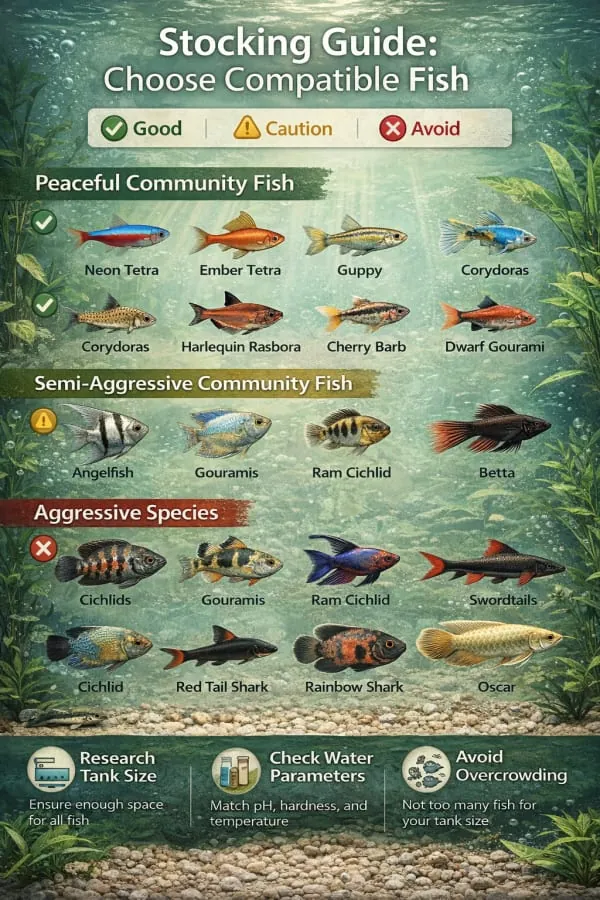
Choose compatible fish: school sizes, swimming zones, aggression, temperature and hardness matching, and honest bioload math for a peaceful community.
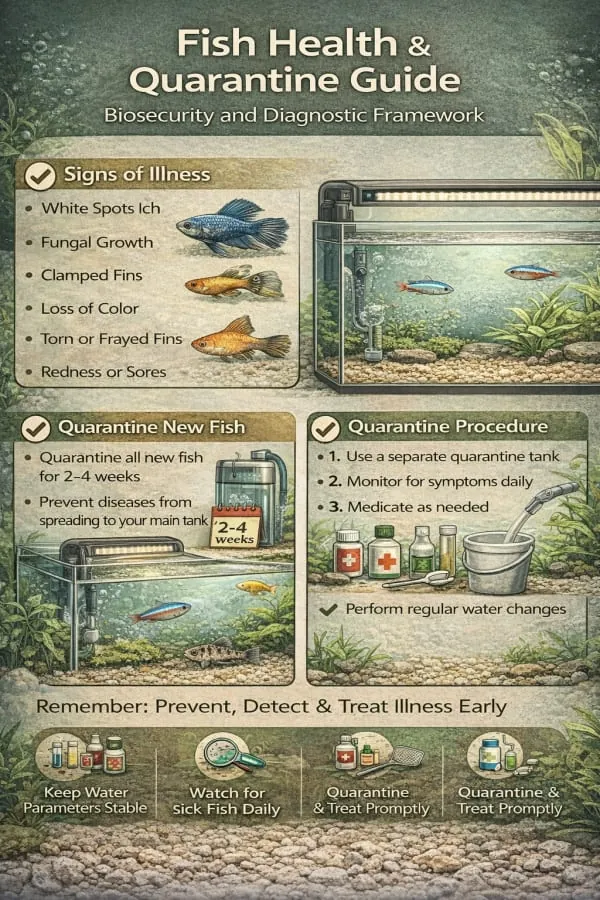
Quarantine new fish, spot the early warning signs, and treat disease without wrecking your tank. A practical freshwater fish health guide.
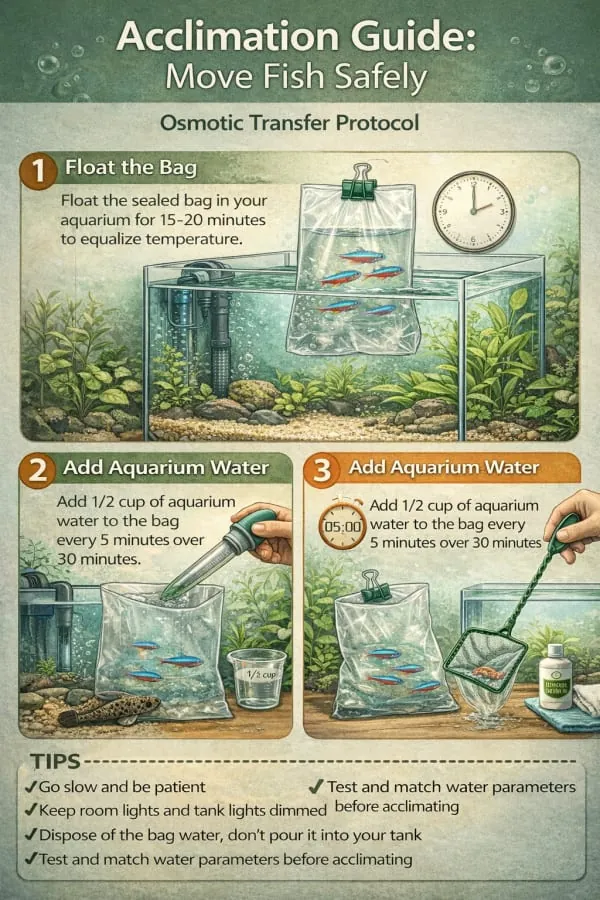
Acclimate new fish, shrimp, and coral safely: temperature floating, drip acclimation, plop-and-drop for shipped livestock, and the first 24 hours.
Keeping Eggers Killifish?
AquaLens identifies your fish and plants from a photo, tracks water chemistry, and flags health issues early — free on iOS and Android.