Rainbow Cichlid Care Guide
Herotilapia multispinosa · Freshwater Fish
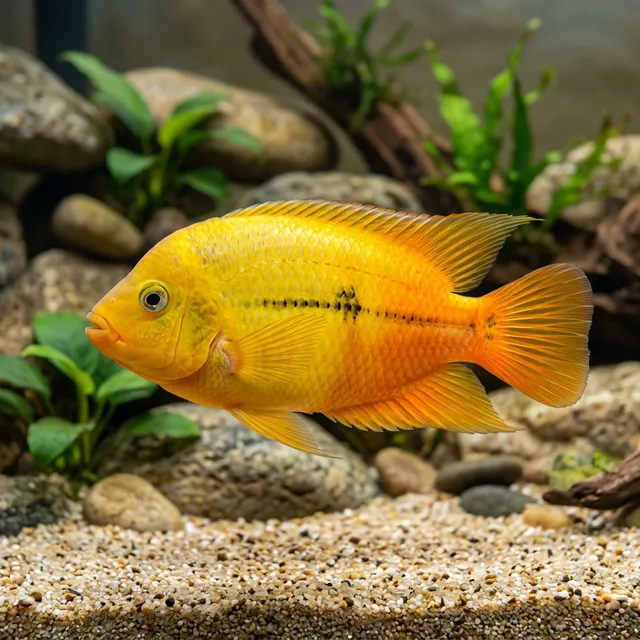
What Rainbow Cichlid look like
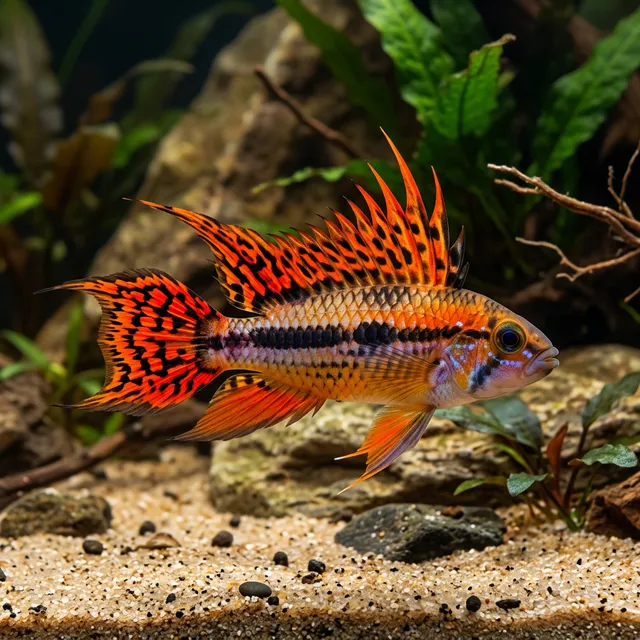
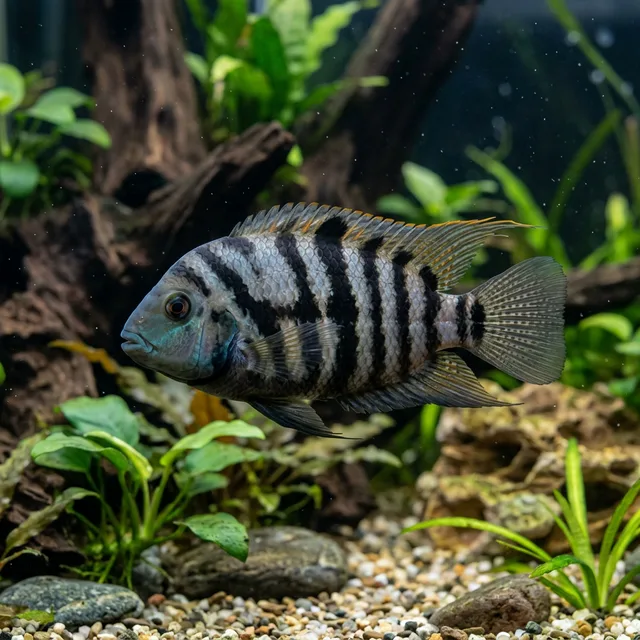
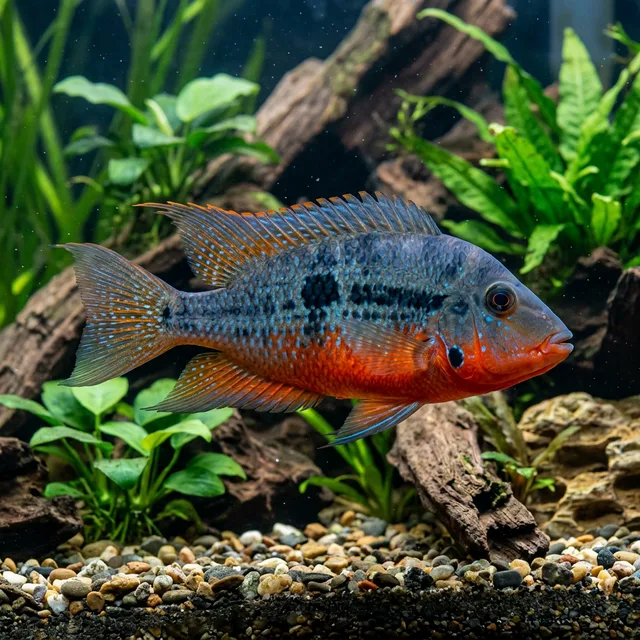
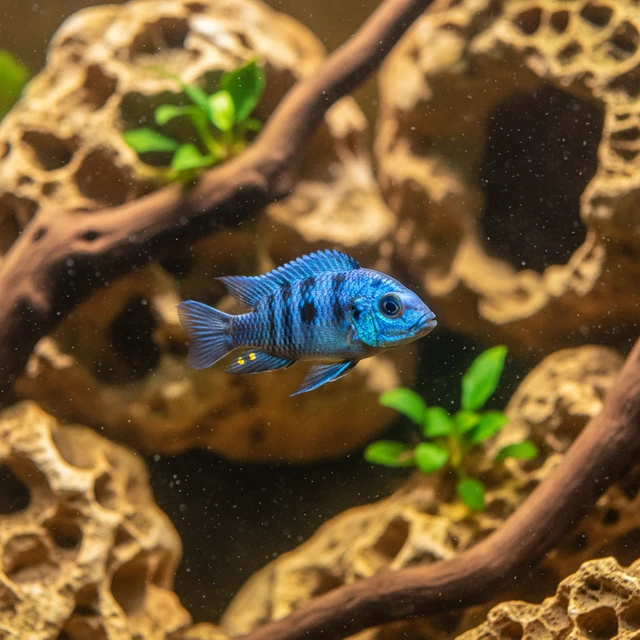
Herotilapia multispinosa exhibits a stocky, oval body shape, characteristic of many cichlid species, with a maximum adult size ranging from 10 to 20 cm. The coloration is particularly striking, displaying a brilliant lemon yellow to vibrant gold body that transitions to a deep orange towards the caudal fin. This species features a faint black lateral dash line that runs along the flanks, providing a subtle contrast to its vibrant hues. The dorsal fin is elongated and extends along the back, adorned with elongated rays that enhance its visual appeal. Sexual dimorphism is present, with males typically exhibiting more intense coloration and larger fins compared to females. Defensive adaptations include a robust body structure and the ability to retreat into crevices or dense vegetation when threatened, while their dentition is suited for an omnivorous diet, featuring conical teeth for grazing on plant material and capturing small invertebrates.
Behavior & temperament
Rainbow Cichlids are generally peaceful and exhibit a social hierarchy, often forming loose groups in their natural habitat. They are primarily benthic dwellers, frequently found near the substrate among rocks and plants. While not obligate schoolers, they do benefit from the presence of conspecifics, which can reduce stress and promote natural behaviors. Breeding behavior involves the construction of a nest where the female lays eggs, which are then guarded by both parents, showcasing a level of parental care typical of cichlids. Their temperament is generally calm, though they can exhibit territorial aggression during breeding periods, particularly males defending their nesting sites.
Diet & feeding
In the wild, Herotilapia multispinosa is an omnivore, feeding on a variety of plant matter, small invertebrates, and detritus. In captivity, they thrive on a balanced diet that includes high-quality pellets, frozen or live foods, and blanched vegetables to meet their nutritional needs.
Behind the name
Herotilapia (from Greek 'hero' meaning 'hero' and 'tilapia' referring to a group of fish) and multispinosa (from Latin 'multi-' meaning 'many' and 'spinosa' meaning 'spiny', referring to the numerous spines in the dorsal fin).
Plan your tank
Check the numbers before you buy: tank volume, a stocking plan, cycle progress, water changes, and your ongoing care routine.
Keep reading

Choose compatible fish: school sizes, swimming zones, aggression, temperature and hardness matching, and honest bioload math for a peaceful community.
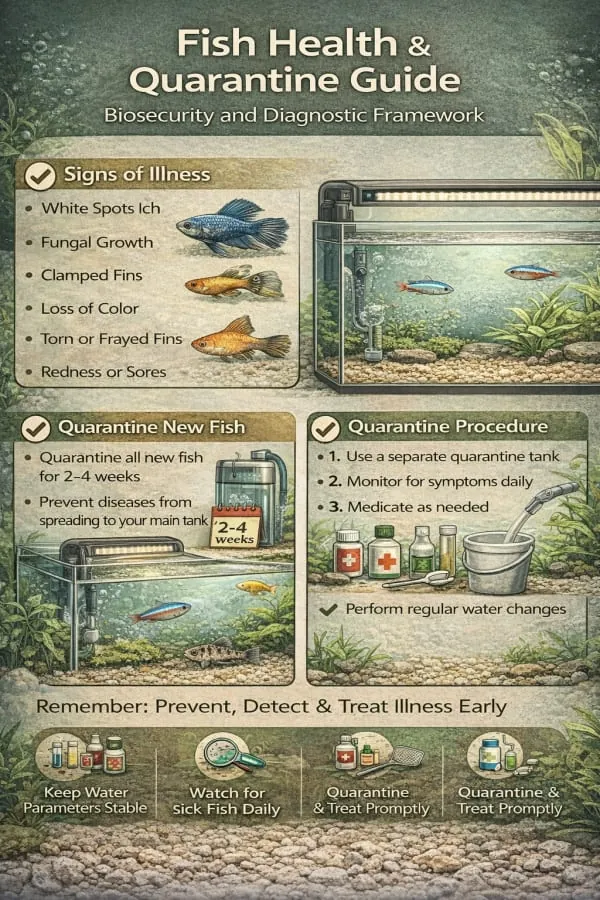
Quarantine new fish, spot the early warning signs, and treat disease without wrecking your tank. A practical freshwater fish health guide.
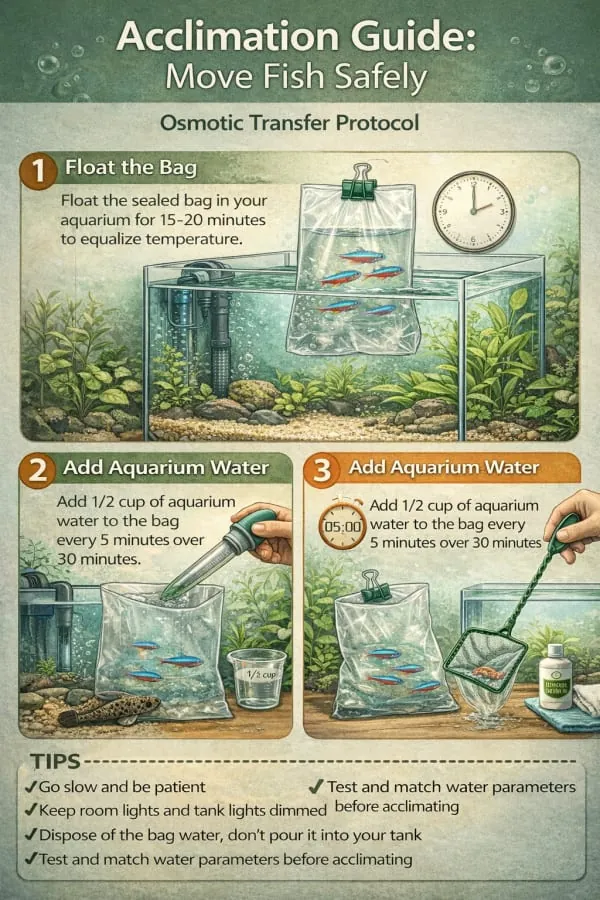
Acclimate new fish, shrimp, and coral safely: temperature floating, drip acclimation, plop-and-drop for shipped livestock, and the first 24 hours.
Keeping Rainbow Cichlid?
AquaLens identifies your fish and plants from a photo, tracks water chemistry, and flags health issues early — free on iOS and Android.