Pink Ramshorn Snail Care Guide
Planorbella duryi var. Pink · Freshwater Invert
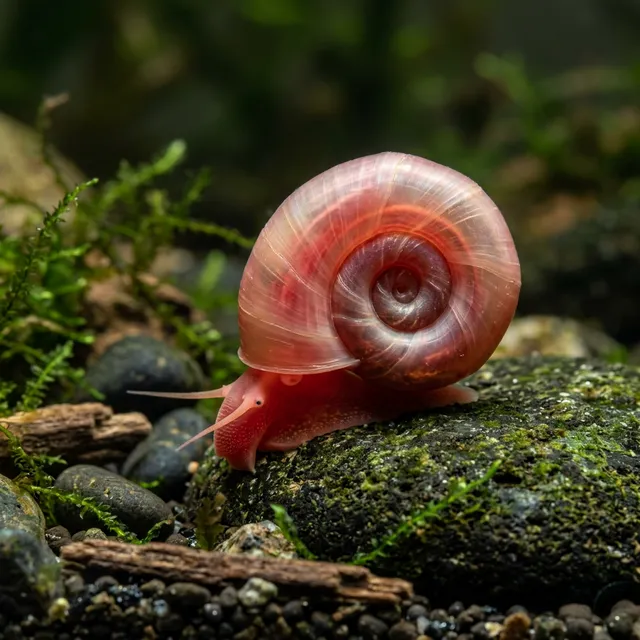
What Pink Ramshorn Snail look like
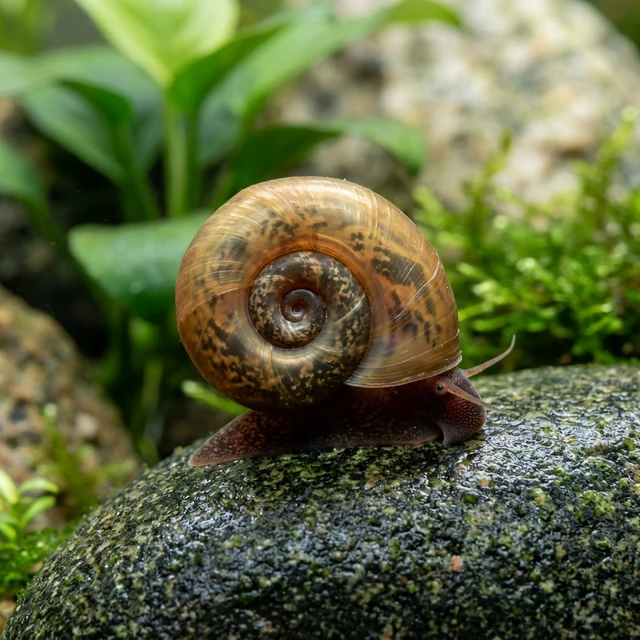
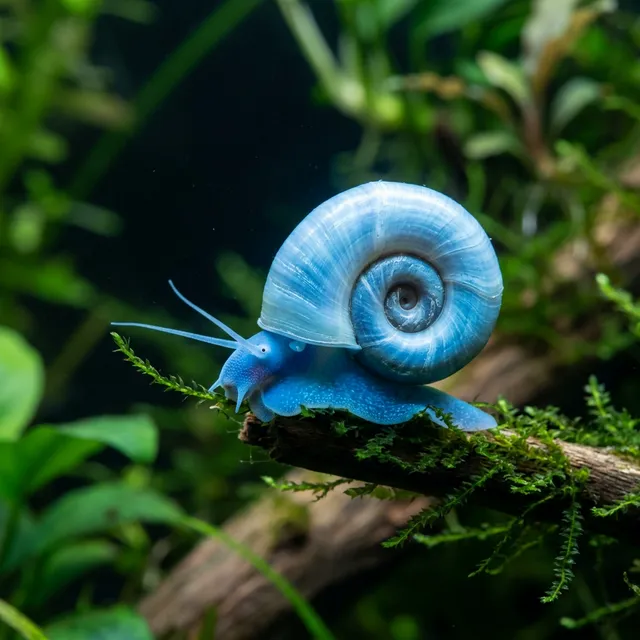
The Pink Ramshorn Snail (Planorbella duryi var. Pink) exhibits a distinctive morphology characterized by its flat, coiled shell that resembles a ram's horn, with a maximum adult size ranging from 0.5 to 1 inch in diameter. The shell is a translucent pink to reddish-pink, allowing the reddish-pink body of the snail to be visible through it, a feature accentuated by the presence of red hemolymph. This species lacks sexual dimorphism, as both sexes exhibit similar physical traits. Defensive adaptations include the ability to retract into its shell, which offers protection from predation. The shell's unique flat spiral coiling is a key morphological feature that differentiates it from other snail species, such as the globular mystery snail. Additionally, the presence of a well-defined aperture and a smooth shell surface contribute to its streamlined shape, enhancing its ability to navigate through aquatic environments.
Behavior & temperament
In terms of behavior, the Pink Ramshorn Snail is primarily a solitary creature, often found grazing on surfaces in the benthic zone of freshwater habitats. It is not an obligate schooler and tends to exhibit a more opportunistic foraging behavior. These snails are generally peaceful and exhibit low aggression levels, making them suitable for community tanks. Breeding behavior involves egg scattering, where females lay clusters of eggs on submerged surfaces. The Pink Ramshorn Snail is known for its ability to adapt to various water column levels, often found on the substrate but also occasionally ascending to the mid-water column in search of food.
Diet & feeding
The Pink Ramshorn Snail is an omnivore, primarily feeding on algae, decaying plant matter, and detritus in its natural habitat. In captivity, it requires a varied diet that includes algae wafers, blanched vegetables, and specially formulated snail food to ensure optimal health.
Behind the name
The genus name 'Planorbella' is derived from the Latin 'planus' (flat) and 'orbella' (little circle), referring to the snail's flat, coiled shell. The species name 'duryi' honors the American naturalist William Dury.
Plan your tank
Check the numbers before you buy: tank volume, a stocking plan, cycle progress, water changes, and your ongoing care routine.
Keep reading
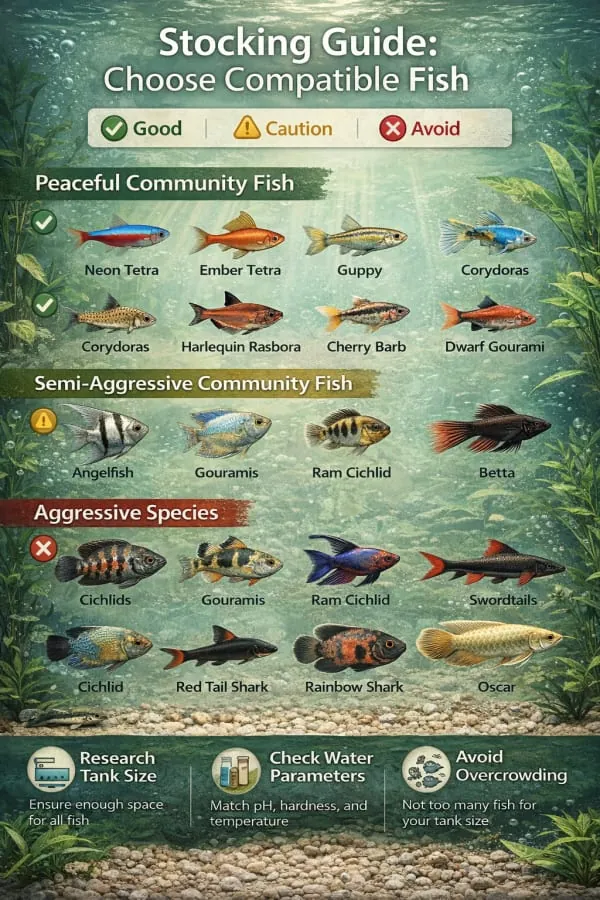
Choose compatible fish: school sizes, swimming zones, aggression, temperature and hardness matching, and honest bioload math for a peaceful community.
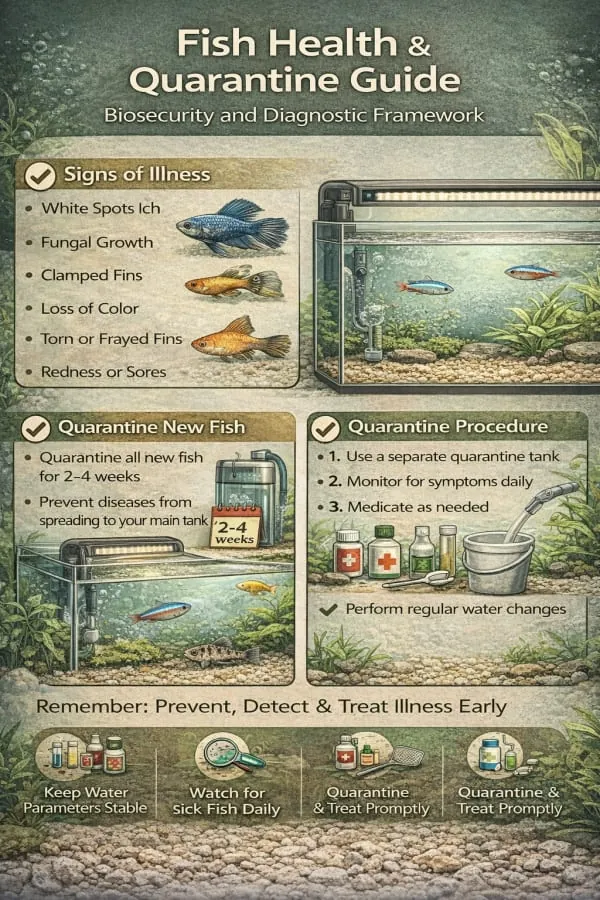
Quarantine new fish, spot the early warning signs, and treat disease without wrecking your tank. A practical freshwater fish health guide.
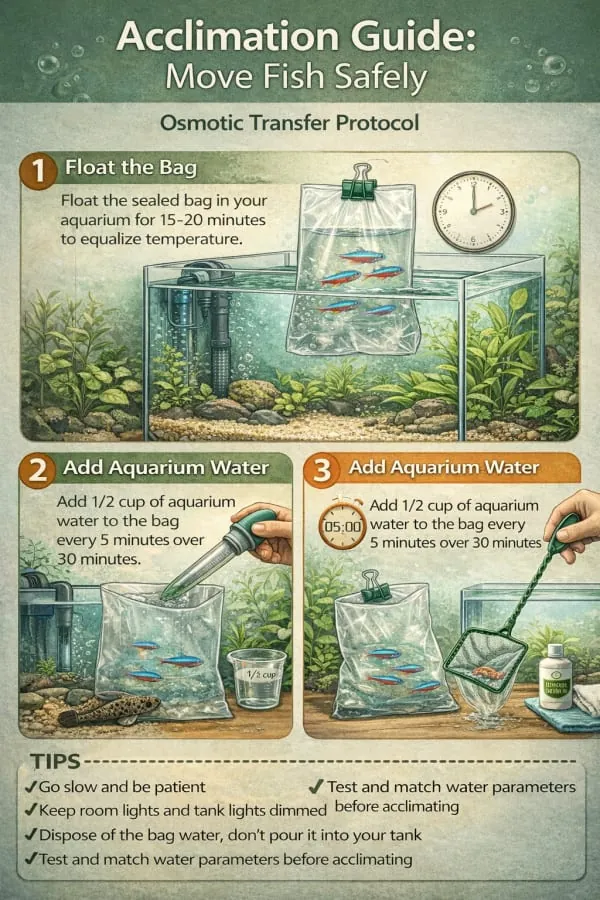
Acclimate new fish, shrimp, and coral safely: temperature floating, drip acclimation, plop-and-drop for shipped livestock, and the first 24 hours.
Keeping Pink Ramshorn Snail?
AquaLens identifies your fish and plants from a photo, tracks water chemistry, and flags health issues early — free on iOS and Android.